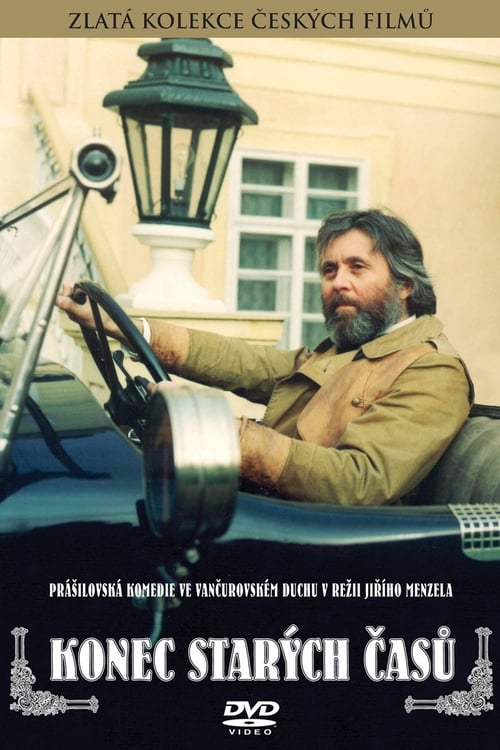
The End of Old Times
1989
No user ratings available yet
Diversity score: 5.1 out of 10

1979
Director
Jiří Menzel
Runtime
85 minutes
Average Rating
No ratings yetSynopsis
Returning home to Prague, the magician Pasparte, an owner of a circus caravan, meets his dying colleague who entrusts his beautiful daughter Aloisie to his care. In Prague they all take up their lodgings at the house At Blue Fish in which they intend to arrange the programs. The firm is owned by widow Evzenie with whom Pasparte shares flat and bed. Evzenie is jealous of Aloisie therefore Pasparte sends Aloisie as a housewife to the single man Jakub Kolenatý who earns his living by photographing and wants to record the revived pictures of Prague. Pasparte wants to found in Prague the first permanent Czech movie theatre in which there would be projected also the original Czech films.
Overall Score
Fair
Category Breakdown
LGBTQ+ Representation
The narrative centers on traditional romantic and familial structures. There is no explicit evidence of queer subtext or non-cisnormative identities within the story.
Gender Representation
Female characters exercise significant agency, such as the widow Evzenie who manages the central business. The plot also explores gendered labor through Aloisie's domestic role.
Racial & Ethnic Diversity
The film reflects the demographic homogeneity of 1970s Prague. It prioritizes national identity and local cultural preservation over multi-ethnic or intersectional casting.
Religious & Cultural Diversity
The story celebrates cultural autonomy through the establishment of a Czech cinema. It favors bohemian, non-conformist lifestyles like the circus caravan over rigid societal norms.
Disability Representation
The provided information contains no mentions of characters navigating physical, sensory, or neurodivergent disabilities.
Strengths
Areas for Improvement
AI Analysis
Jiří Menzel’s comedy succeeds in portraying unconventional, bohemian lifestyles that challenge mainstream social stability. The film highlights individual agency through characters who operate outside traditional institutional structures. However, the work remains limited by the demographic realities of its setting and era. It lacks modern intersectional markers, particularly regarding racial diversity and LGBTQ+ representation, which remain within conventional bounds. Ultimately, the film is a study of cultural preservation and artistic pursuit. It finds its strength in subverting domestic hierarchies rather than through broad social inclusivity.
1989
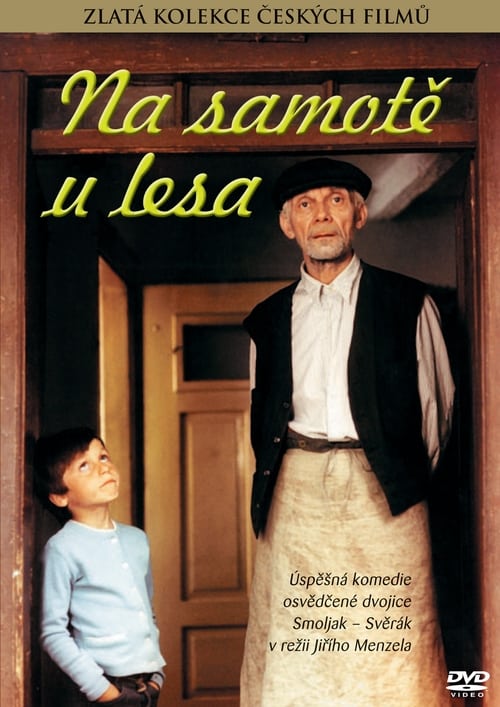
1976
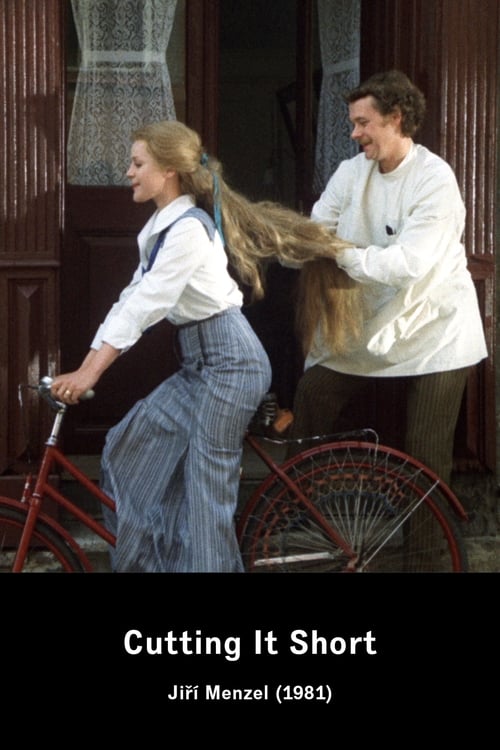
1981
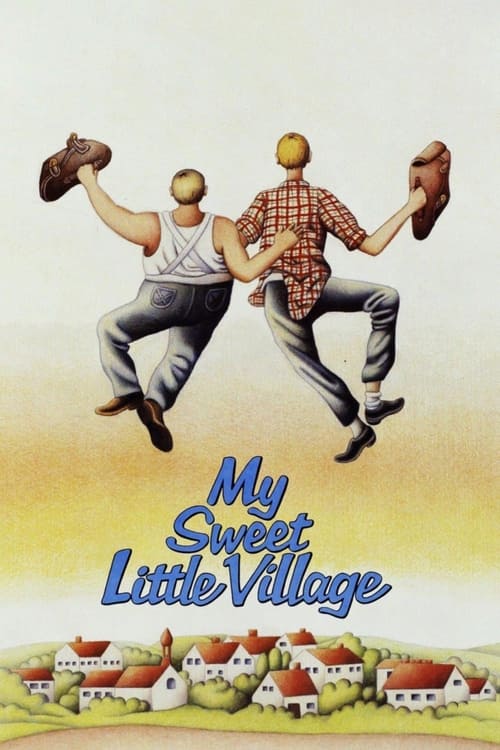
1985
1968
1974
1993
1981
1987
1978
1993
1983
No reviews yet. Be the first to share your thoughts on this movie!
Use the rating form above to leave a star rating and optional review.