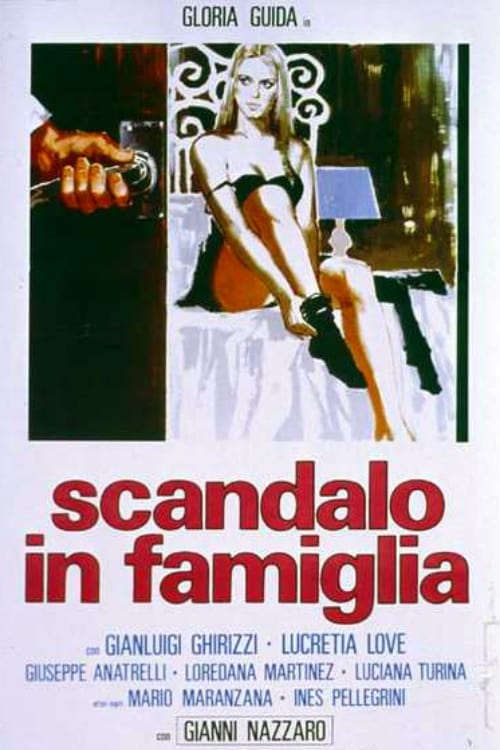
Scandal In the Family
1976
No user ratings available yet
Representation score: 4.8 out of 10
Representation Score
Fair
1974
RDirector
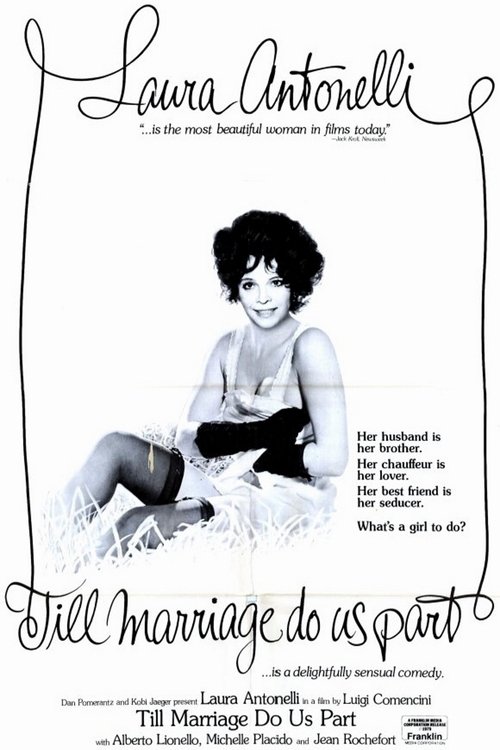
Luigi Comencini
Runtime
110 minutes
Average Rating
No ratings yetNew Showbiz Analysis
Luigi Comencini uses satire to explore the tension between personal desires and rigid societal structures. The film's strength lies in its ability to deconstruct traditional institutions like marriage and family through a lens of systemic hypocrisy. While the film provides a nuanced look at women's autonomy and challenges social morality, it remains limited by its historical setting. The lack of racial and ethnic diversity and the absence of disability representation reflect the era's social constraints. Ultimately, the film succeeds as a critique of social reputation, even if it lacks modern characters who reflect more than one aspect of diversity.
Category Breakdown
The film challenges traditional views on marriage by showing a union that is more about social performance than sexual intimacy. Though it doesn't include LGBTQ identities, the marriage serves as a social ritual rather than a sexual relationship.
Eugenia Di Maqueda is a complex character driven by her own desires. Her struggles highlight the tension between women's autonomy and the strict patriarchal rules of early 20th-century Sicily.
Set in Sicily, the film focuses on regional class and family structures within a historically homogeneous Mediterranean context. It does not explore multi-ethnic or racial diversity.
The film criticizes traditional Western and religious institutions by highlighting the hypocrisy needed to maintain social honor. It portrays the family unit as a performative facade used to protect inheritance.
There is no significant portrayal of physical or neurodivergent disabilities in this work.
Present on Screen
Limited or Absent
Official Synopsis
In early 20th-century Sicily, Eugenia Di Maqueda and Raimondo Corrao discover on their wedding night that they are brother and sister and therefore unable to consummate their marriage. For the sake of the family inheritance and honour, the two decide not to reveal the truth to anyone. In public, they will play the part of husband and wife, but in private they will live in absolute chastity as siblings. Meanwhile, the beautiful Eugenia’s urgent carnal desires become increasingly pressing...
1976
1961
1984
1972
1973
1978
1972
1974
No reviews yet. Be the first to share your thoughts on this movie!
Use the rating form above to leave a star rating and optional review.