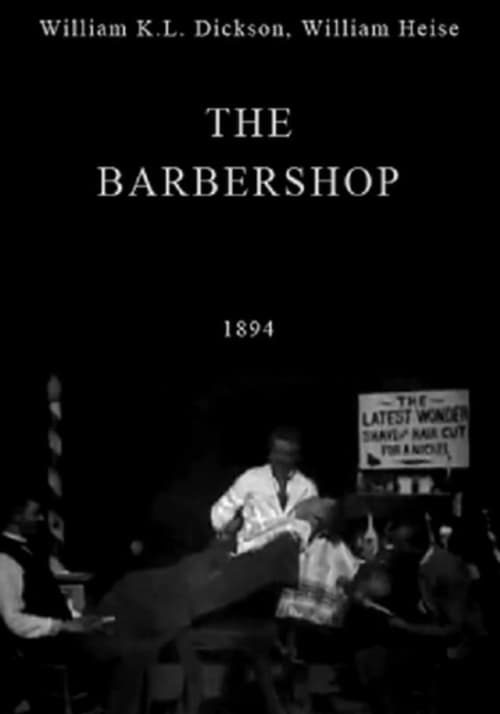
The Barber Shop
1894
No user ratings available yet
Representation score: 0.6 out of 10
Representation Score
Minimal
1893
UnratedDirector
William K.L. Dickson, William Heise
Runtime
1 minutes
Average Rating
No ratings yetNew Showbiz Analysis
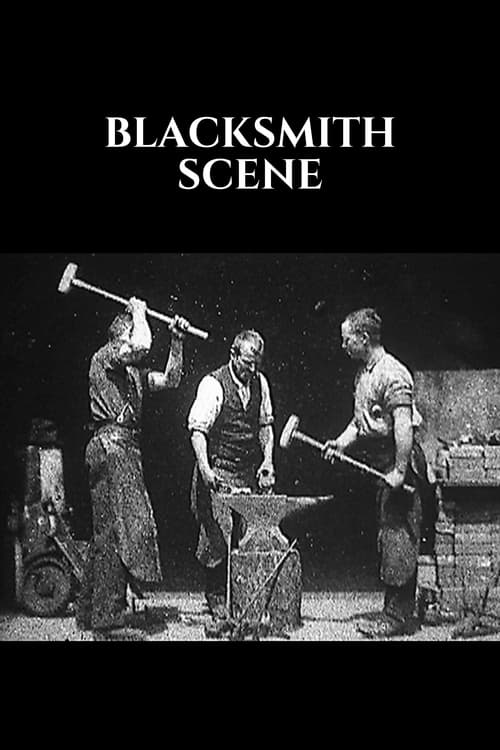
This 1893 'actualité' film serves as a technical observation of daily life, capturing a specific moment of industrial labor without intentional ideological or social commentary. Reflecting the era's demographics, the film presents a homogeneous industrial environment typical of the time. Due to its non-narrative nature, it lacks the complexity needed to explore diverse identities or social themes.
Category Breakdown
The film contains no depictions of LGBTQ+ identities or non-assuming gender matches what was assigned at birth gender expressions. The content is strictly limited to manual labor in a traditional workshop.
The film focuses on three men engaged in manual labor, presenting a homogeneous depiction of masculinity. Female characters are entirely absent, offering no gendered perspectives or critiques.
The cast consists of white males, with no evidence of racial diversity or representation of non-white individuals. The film does not include any characters from different racial backgrounds.
The film depicts a traditional Western industrial setting without engaging with subjective morality or critiques of Western institutions and labor structures.
The film does not depict any visible or invisible disabilities. The workers appear to be able-bodied and perform standard physical tasks.
Present on Screen
Limited or Absent
Official Synopsis
Three men hammer on an anvil and pass a bottle of beer around. Notable for being the first film in which a scene is being acted out.
1894
1893
1895
1896
1894
1896
1895
1892
No reviews yet. Be the first to share your thoughts on this movie!
Use the rating form above to leave a star rating and optional review.