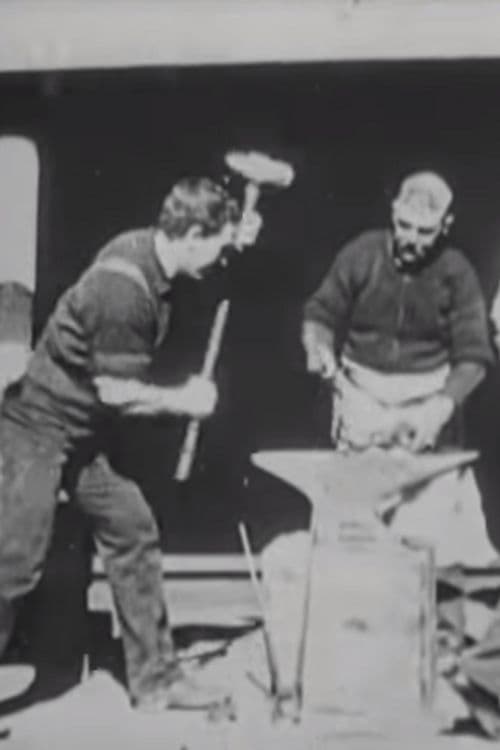
New Blacksmith Shop
1895
No user ratings available yet
Representation score: 0.3 out of 10
Representation Score
Minimal
1893
Director
William Heise, William K.L. Dickson
Runtime
1 minutes
Average Rating
No ratings yetNew Showbiz Analysis
As a documentary short from 1893, this film serves primarily as a technical observation of manual labor. Its main goal is to document the routine of blacksmithing and horseshoeing through a utilitarian lens. Since the film lacks a structured narrative, it does not engage with modern frameworks addressing diversity or social commentary. The absence of diverse representation is a result of its historical context and observational intent. Ultimately, the film offers a straightforward view of traditional craftsmanship. It does not provide the narrative complexity needed to address issues of gender, race, or identity through a progressive or subversive lens.
Category Breakdown
The film focuses solely on the demonstration of manual labor and does not include any characters or stories related to LGBTQ+ individuals or non-straight identities.
The footage showcases a traditional industrial setting where men dominate the labor force. It highlights the historical archetype of men performing vocational tasks such as blacksmithing.
The film centers on the routine of labor within a blacksmith shop and does not feature any actors of non-white backgrounds.
This work presents a document of pre-modern industrial life, focusing on traditional craftsmanship without delving into complex cultural or secular themes.
The film concentrates entirely on the physical mechanics of blacksmithing and does not depict any visible or invisible disabilities.
Present on Screen
Limited or Absent
Official Synopsis
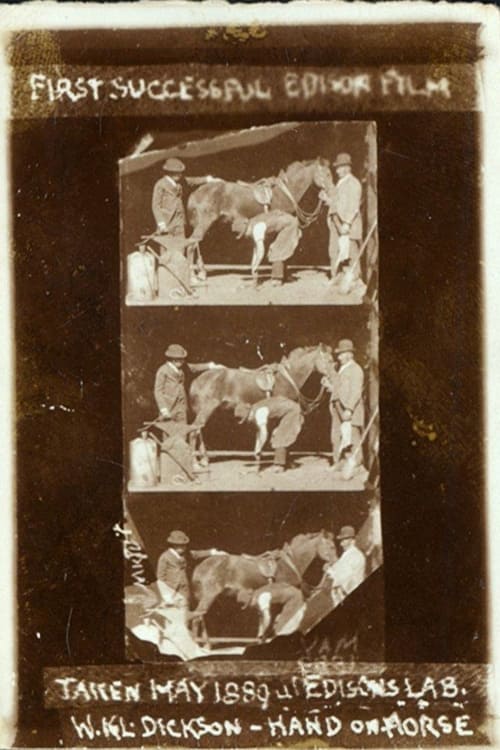
One of the pictures to be seen in the machine, for example, was that of a blacksmith shop in which two men were working, one shoeing a horse, the other heating iron at the forge. One would be seen to drive the nail into the shoe of the horse's hoof, to change his position and every movement needed in the work was clearly shown as if the object was in real (life). In fact, the whole routine of the two men's labor and their movements for the day was presented to the view of the observer.
1895
1895
1976
1895
1956
1904
1896

1896
No reviews yet. Be the first to share your thoughts on this movie!
Use the rating form above to leave a star rating and optional review.