North Sea
1938
No user ratings available yet
Diversity score: 1.7 out of 10
1895
Director
Louis Lumière
Runtime
1 minutes
Average Rating
No ratings yetSynopsis
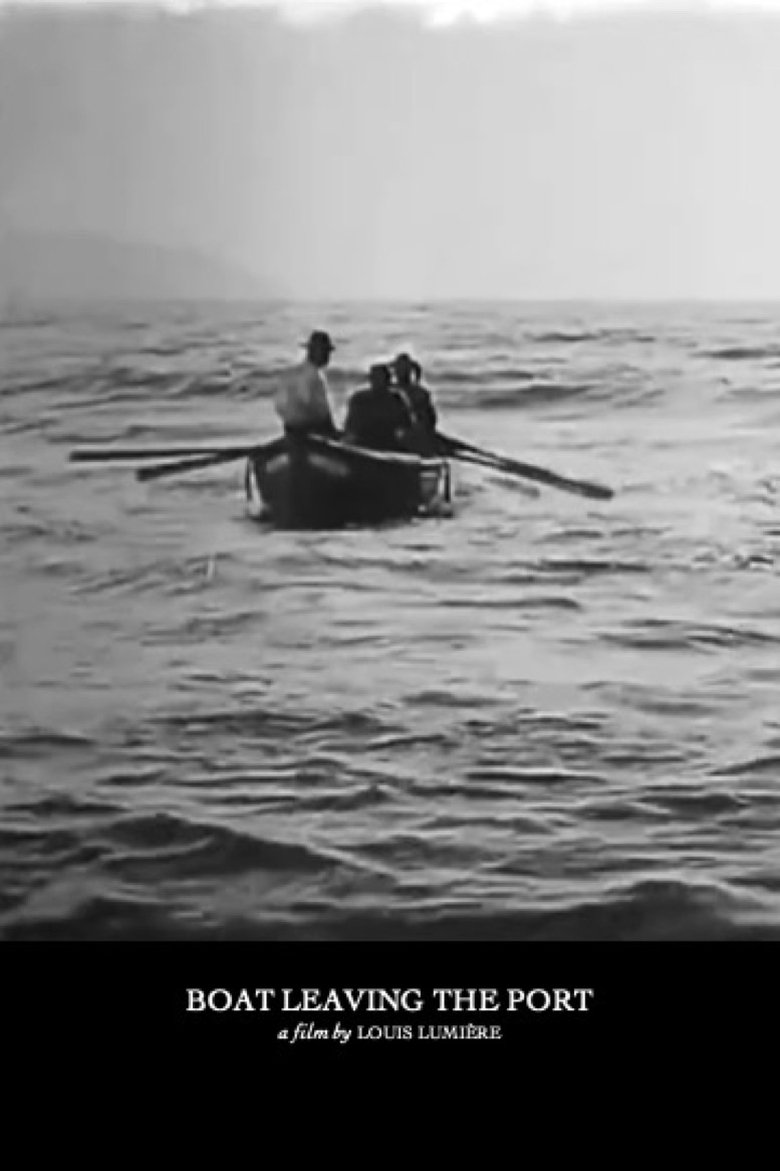
In very bad weather and a stormy sea, a small boat manned by two men is trying to leave the harbor of La Ciotat, while several people are watching them from the nearby pier.
Overall Score
Minimal
Category Breakdown
LGBTQ+ Representation
This brief, single-shot observational documentary lacks any narrative structure. There is no character development or interpersonal interaction to depict sexual orientation or gender identity.
Gender Representation
The maritime scene is dominated by male labor within the boat's crew. While observers watch from the pier, the film does not subvert traditional gender hierarchies.
Racial & Ethnic Diversity
The film reflects the demographic homogeneity of a French port in 1895. There is no evidence of non-white casting or any use of metaphor regarding racial diversity.
Religious & Cultural Diversity
As a neutral recording of a maritime environment, the film lacks narrative critique. It does not engage with themes of secularism, anti-capitalism, or systemic critique.
Disability Representation
The footage captures a boat departing a harbor without any character portrayals of disability. No narrative elements address neurodivergence or physical impairment.
Strengths
Areas for Improvement
AI Analysis
Louis Lumière’s work serves as a foundational historical artifact of observational realism. Because it functions as an 'actuality' film rather than a scripted narrative, it lacks the architecture for intentional social or identity-based discourse. The film captures a specific, homogeneous moment in late 19th-century France. It focuses on the mechanics of a working-class maritime environment rather than exploring complex human identities or social hierarchies. Ultimately, the low diversity score is a byproduct of the medium's infancy. The film is a snapshot of real-world labor, providing a baseline of historical significance without the capacity for modern intersectional storytelling.
1938
1895
1895

1899
1895
1895

1896

1896

1895

1896
1896
1896
No reviews yet. Be the first to share your thoughts on this movie!
Use the rating form above to leave a star rating and optional review.