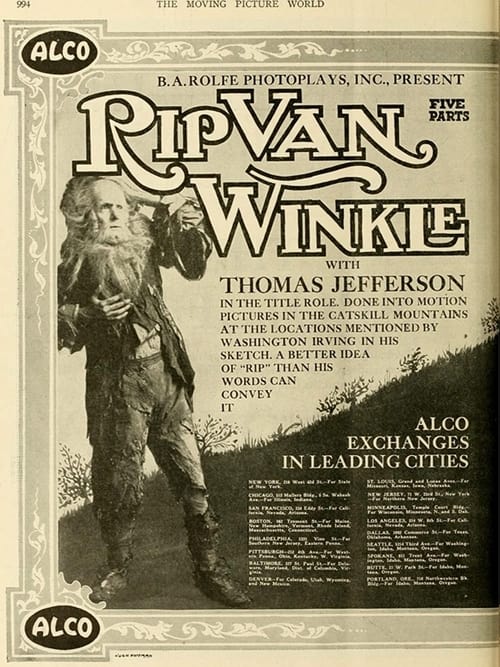
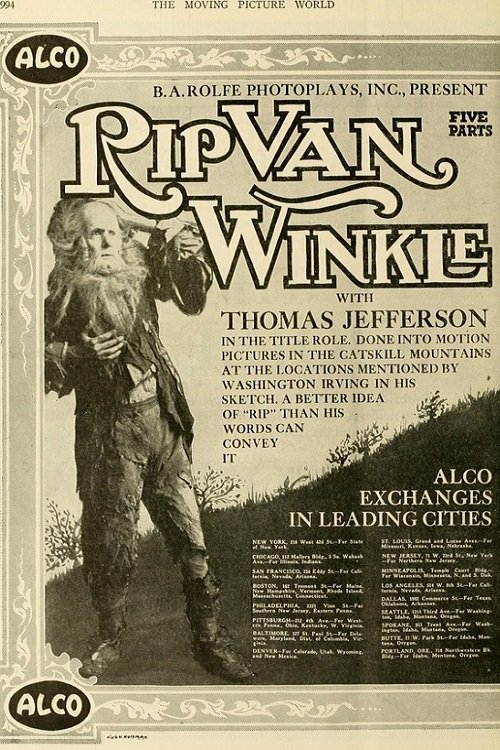
Rip Leaving Sleepy Hollow
1896
No user ratings available yet
Representation score: 0.3 out of 10
Representation Score
Minimal
1896
Not RatedDirector
William K.L. Dickson
Runtime
1 minutes
Average Rating
No ratings yetNew Showbiz Analysis
Awakening of Rip is a short drama from the silent film era that reflects the limited sociopolitical views of the late 19th century. Due to the film's age and lack of surviving footage, there is no evidence of intentional storytelling that challenges common assumptions about identity. The film operates within the context of early filmmaking, which lacked established structures addressing identity politics. Therefore, it doesn't meet modern standards for progressive representation or critical examination of societal norms.
Category Breakdown
The film doesn't include any characters with non-binary genders or sexual orientations outside the norm. It doesn't challenge the idea that everyone is straight or cisgender.
The film includes Joseph Jefferson but doesn't challenge the traditional gender roles of the 19th century. It upholds the gender norms of its time.
The film reflects the homogeneous casting common in early American cinema. There are no characters representing non-white or non-Anglo-Saxon backgrounds.
The story follows traditional Western values from 1896. It doesn't question the cultural or religious norms of the time.
There is no information about characters with visible or invisible disabilities. The film doesn't use such characters to explore disability issues.
Present on Screen
Limited or Absent
1896
1896
1896

1896
1896
1896
1894
1894
No reviews yet. Be the first to share your thoughts on this movie!
Use the rating form above to leave a star rating and optional review.