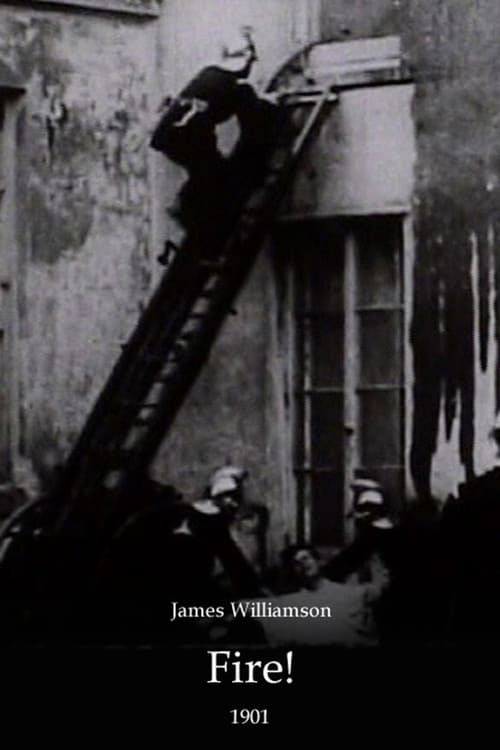
Fire!
1901
No user ratings available yet
Representation score: 1.1 out of 10
Representation Score
Minimal
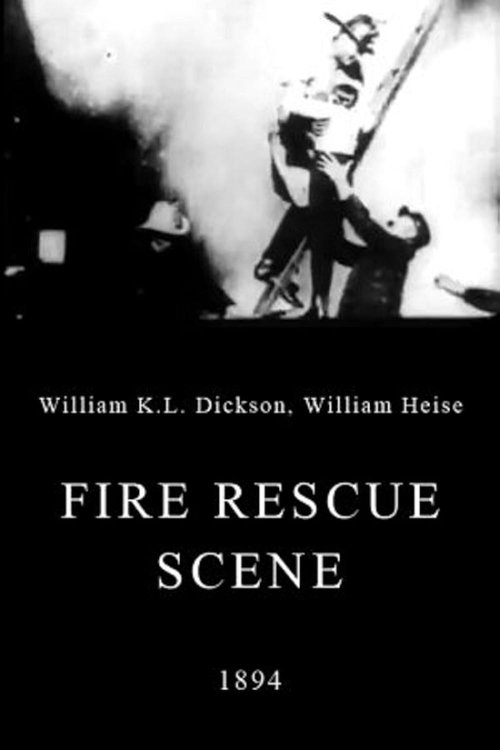
1894
Director
William Heise, William K.L. Dickson
Runtime
1 minutes
Average Rating
No ratings yetNew Showbiz Analysis
This 1894 actuality film serves as a primitive archival document of professional firefighting. Because it captures a specific real-world event or reenactment, it lacks the narrative depth required for complex character representation. The film's composition is limited by its era, focusing on mechanical rescue efforts and smoke effects. Consequently, it presents a very narrow, homogeneous view of society that reflects the period's social structures. Ultimately, the work lacks the intentionality or character's ability to drive the story needed to address the overlapping aspects of identity, resulting in a score that reflects its status as a brief historical record.
Category Breakdown
The film does not include any LGBTQ+ characters or non-straight identities. It primarily documents professional activities.
The footage focuses on male firefighters performing rescue duties, reinforcing the historical context of firefighting as a male-dominated profession.
There is no evidence of a diverse cast or non-white individuals. The content reflects the demographic homogeneity of late 19th-century urban newsreels.
The film centers on civic duty and organized institutional responses. It serves as a document of traditional social order without cultural critique.
No characters with visible or invisible disabilities are identified. The focus remains strictly on the physical labor of the rescue.
Present on Screen
Limited or Absent
Official Synopsis
"Firemen in working uniform, rubber coats, helmets, and boots. Thrilling rescue from burning building. Smoke effects are fine." - from the Edison Catalog
1901
2022
1930
1922
1893
1931
1904
1905
No reviews yet. Be the first to share your thoughts on this movie!
Use the rating form above to leave a star rating and optional review.