The Young One
1960
No user ratings available yet
Representation score: 4.3 out of 10
Representation Score
Fair
1959
Not RatedDirector
Luis Buñuel
Runtime
95 minutes
Average Rating
No ratings yetNew Showbiz Analysis
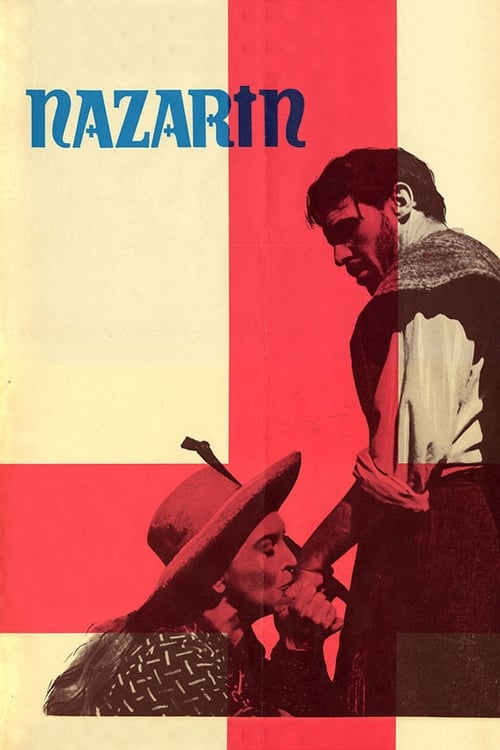
Nazarín is a sophisticated deconstruction of institutionalized virtue. Despite lacking modern markers of identity diversity, such as LGBTQ+ representation or ethnic mixing, it excels in its thematic subversion of power structures. The film’s intellectual depth is notable, particularly in its critique of gender and cultural norms. It uses a female protagonist to challenge patriarchal norms and employs its setting to dismantle the perceived sanctity of Western religious institutions. However, the film is limited by its historical context, offering little in the way of racial diversity or specific disability representation. It remains focused on class and systemic issues rather than a diverse social landscape.
Category Breakdown
The film does not include any LGBTQ+ characters or narratives. It focuses on traditional social identities without exploring non-traditional gender or sexuality perspectives.
The film features a female protagonist who challenges traditional gender roles through her superior moral intellect. Although she does not have much social influence, her spiritual leadership counters the aggressive patriarchal structures of her community.
The cast primarily reflects the historical homogeneity of a rural Spanish village. While there is limited diversity, the film uses class as a key identity marker by focusing on the lives of peasants.
The film critically examines organized religion and Western moral frameworks. It portrays the community as a collection of self-interested individuals, challenging the ideal of a virtuous village.
The film does not focus on specific disabilities but instead explores bodily vulnerability through the physical toll of extreme poverty and asceticism.
Present on Screen
Limited or Absent
Official Synopsis
A Catholic priest in a poor community lives a charitable life in accordance with his religious principles, but others do not return the favor.
1960
1969
1962

2009

1998

1964

1947

1999
No reviews yet. Be the first to share your thoughts on this movie!
Use the rating form above to leave a star rating and optional review.