A Man Called Sledge
1970
No user ratings available yet
Diversity score: 3.0 out of 10
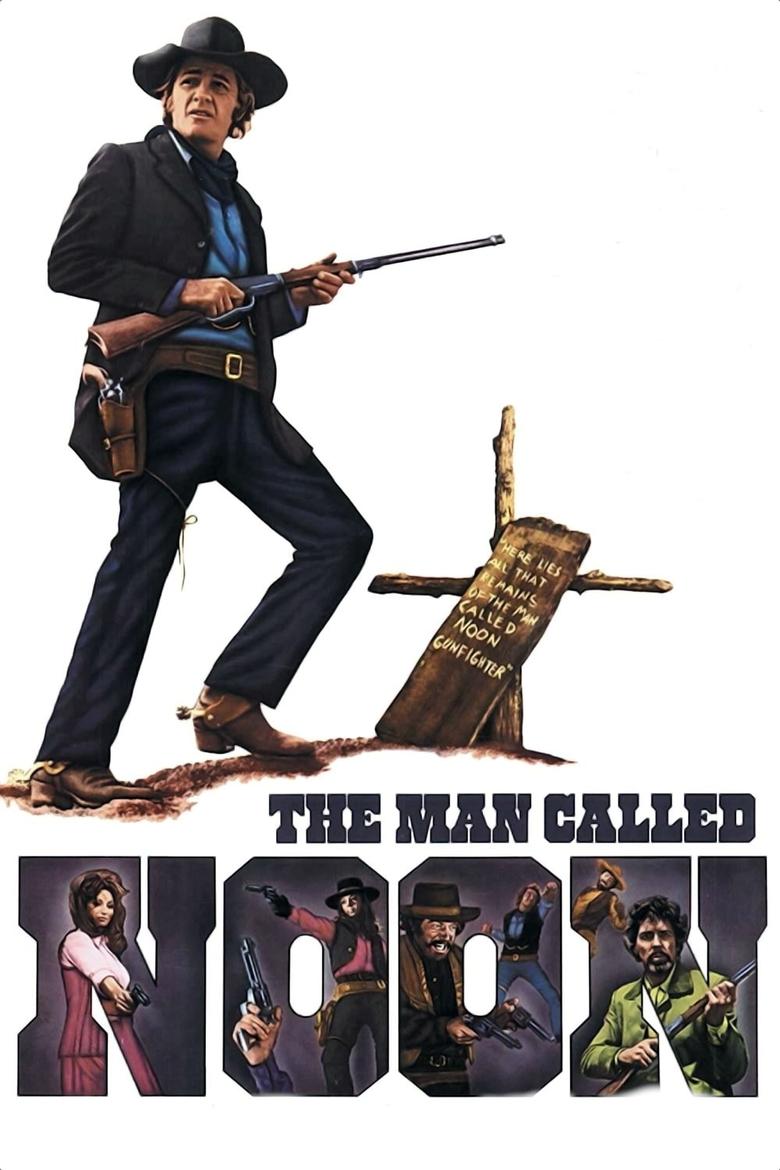
1973
RDirector
Peter Collinson
Runtime
98 minutes
Average Rating
No ratings yetSynopsis
Noon is a gunfighter who has become amnesiac. Helped by Rimes, an outlaw who has befriended him, he tries to figure out who he is actually. It gradually appears that his wife and kid have been murdered. As time goes by, Noon also recalls a fortune hidden somewhere. Niland, a scheming judge, and Peg Cullane, a greedy will do everything to prevent Noon and Rimes from achieving their end while Fan Davidge, a woman living in a ghost town, will support them.
Overall Score
Limited
Category Breakdown
LGBTQ+ Representation
The film lacks explicit LGBTQ+ characters or narratives that critique heteronormativity. It focuses on traditional Western tropes of vengeance and lost identity.
Gender Representation
Female characters like Peg Cullane and Fan Davidge offer varying degrees of agency. However, the story remains centered on a male protagonist's journey.
Racial & Ethnic Diversity
The narrative follows conventional period-specific demographic patterns typical of the Western genre. There is no indication of a non-white majority cast.
Religious & Cultural Diversity
The plot utilizes standard genre elements like a scheming judge to critique legal authority. It leans into individualistic, mythic storytelling rather than systemic critique.
Disability Representation
The protagonist's amnesia serves as a plot device for identity discovery. It is unclear if this is treated with agency or merely as a convenience.
Strengths
Areas for Improvement
AI Analysis
The Man Called Noon is a traditional Western that adheres closely to established genre conventions. The narrative focuses on individualistic themes of vengeance, lost identity, and the pursuit of a hidden fortune. While the film includes female characters who provide support or act as antagonists, the structural framework remains centered on a male lead. The story lacks the intersectional complexity or intentional disruption of social hierarchies found in more progressive cinema. Ultimately, the film functions as a standard genre piece, utilizing common tropes rather than deconstructing the systemic institutions or cultural norms of the American West.
1970
1974
1967
1967

1958

1968
1971
1965
1972
1967
1973
1968
No reviews yet. Be the first to share your thoughts on this movie!
Use the rating form above to leave a star rating and optional review.