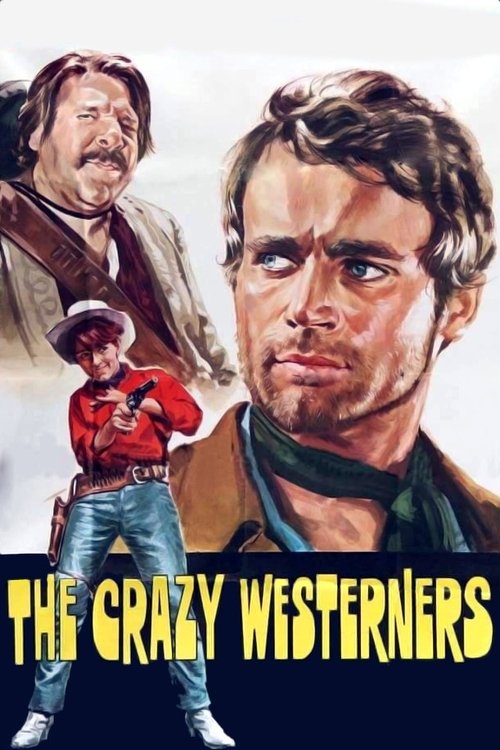
The Crazy Westerners
1967
No user ratings available yet
Diversity score: 4.7 out of 10
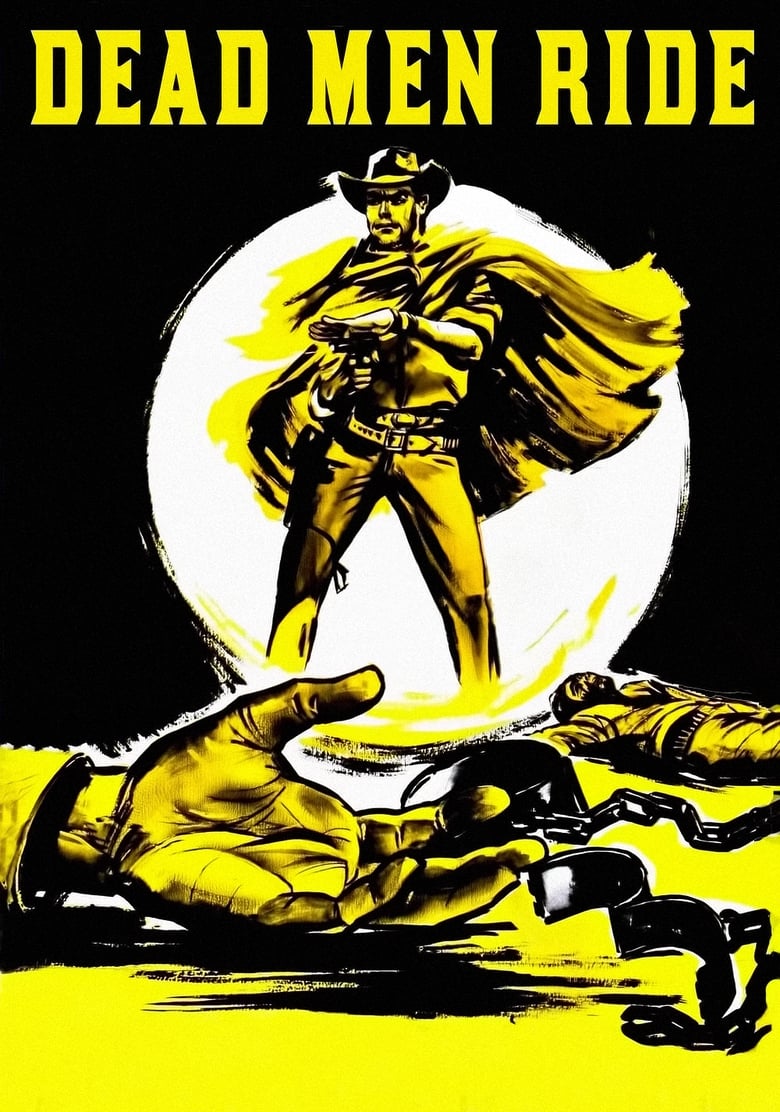
1971
Director
Aldo Florio
Runtime
105 minutes
Average Rating
No ratings yetSynopsis
Roy runs away from the labor camp of Santa Lucia with Emiliano, a New Mexico rancher, both imprisoned unjustly for three powerful American bankers, to seize the gold mine that had Emiliano. During flight, the landowner dies and in his last moments asked Roy to recover the mine and save Jessica, daughter of his former foreman.
Overall Score
Fair
Category Breakdown
LGBTQ+ Representation
The film lacks evidence of non-cisnormative identities or same-sex intimacy. It adheres to the traditional romantic or platonic structures common in 1971 Westerns.
Gender Representation
The story centers on male protagonists Roy and Emiliano. While Jessica is a named character, she is framed as a figure needing rescue, reinforcing traditional gender hierarchies.
Racial & Ethnic Diversity
The inclusion of Emiliano, a New Mexico rancher, suggests potential explorations of ethnic tensions. The plot focuses on resistance against powerful American bankers and institutional corruption.
Religious & Cultural Diversity
The narrative shifts focus from individual outlaws to systemic critique. By framing bankers as predatory antagonists, the film challenges conventional Western tropes regarding authority and capitalism.
Disability Representation
The provided narrative contains no mention of characters with physical, sensory, or neurodivergent traits.
Strengths
Areas for Improvement
AI Analysis
At the End of the Rainbow operates primarily as a traditional genre piece. It relies on established Western archetypes, focusing on a struggle for justice against corrupt institutional powers rather than diverse social representation. The film finds its strength in its critique of systemic oppression. By positioning bankers as the primary antagonists, it moves away from simple outlaw stories toward a more complex look at institutional corruption. However, the film lacks significant intersectional depth. The narrative remains centered on male-driven action and follows conventional gender roles, offering little representation for LGBTQ+ identities or characters with disabilities.
1967
1969
1966
1970
1971
1970
1967
1971
1972
1968
1956
1968
No reviews yet. Be the first to share your thoughts on this movie!
Use the rating form above to leave a star rating and optional review.