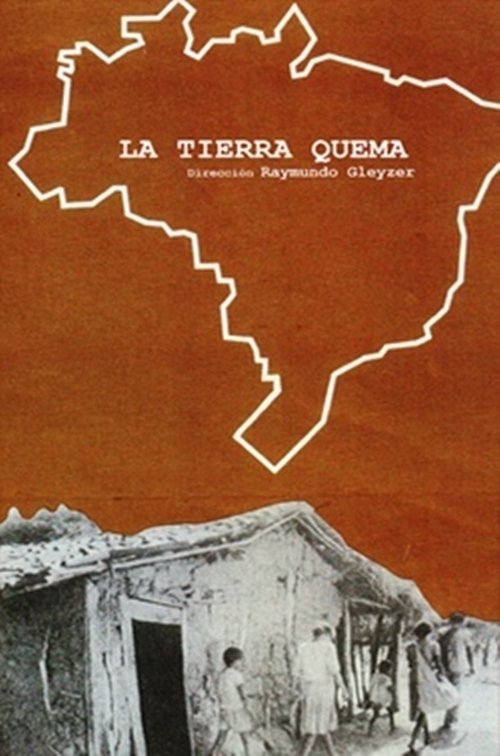
The Land Burns
1964
No user ratings available yet
Representation score: 6.1 out of 10

Representation Score
Excellent
1964
Director
Leon Hirszman
Runtime
19 minutes
Average Rating
No ratings yetNew Showbiz Analysis
Leon Hirszman’s documentary is a cornerstone of the Cinema Novo movement, utilizing social realism to critique systemic inequality. It succeeds by shifting the cinematic gaze toward the underrepresented periphery of Brazil, granting ability to act to those often ignored by mainstream media. The film excels in racial and cultural representation by centering the voices of the 'absolute majority.' Rather than treating the rural poor as passive victims, it presents them as thinkers capable of diagnosing and solving their own systemic struggles. However, the film's narrow focus on class and socioeconomic survival leaves little room for the exploration of identity-based diversity. There is a lack of visible representation regarding LGBTQ+ identities or specific physical disabilities.
Category Breakdown
The film focuses on the socioeconomic realities of rural workers. There is no explicit evidence regarding the depiction of LGBTQ+ identities or queer narratives.
The documentary captures the everyday lives of rural workers, which includes the domestic and labor roles of women. It avoids idealized depictions of domesticity, highlighting women's ability to drive the story within a survivalist framework.
The narrative centers on the rural workers of Northeast Brazil, a region with significant Afro-Brazilian and indigenous presence. It gives real power to people of color by highlighting their own voices and solutions.
The film functions as an anti-colonial critique, challenging traditional views of the illiterate as passive. It portrays subjects as intellectuals capable of proposing solutions to systemic misery.
The film addresses functional disability through the lens of illiteracy as a systemic barrier. However, there is no specific evidence regarding physical or neurodivergent disabilities.
Present on Screen
Limited or Absent
Official Synopsis
The documentary depicts the everyday of illiterate rural workers in Northeast Brazil, living under extreme misery. Although incapable of writing, they are aware of their condition and qualified to proposing solutions they hope for to their problems.
1964

1965

1966

1963
1967

1959
1965

2000
No reviews yet. Be the first to share your thoughts on this movie!
Use the rating form above to leave a star rating and optional review.