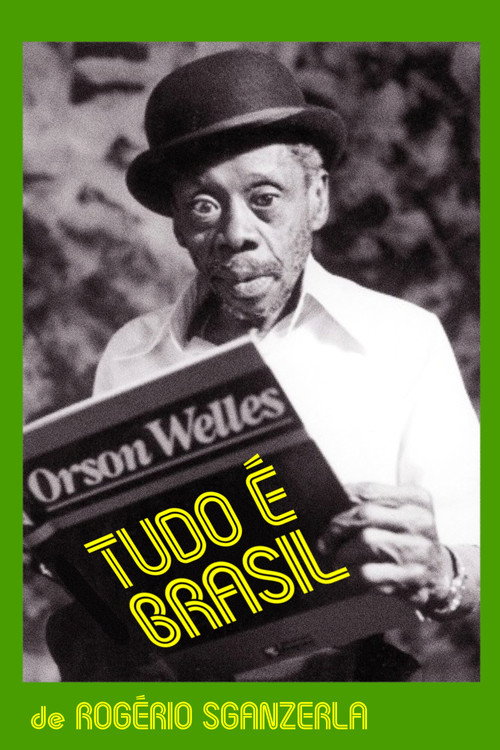
It's Not All True
1986
No user ratings available yet
Representation score: 6.0 out of 10
Representation Score
Excellent
1997
Director
Rogério Sganzerla
Runtime
82 minutes
Average Rating
No ratings yetNew Showbiz Analysis
Rogério Sganzerla’s film essay uses Orson Welles’ archival footage to deconstruct the colonial gaze. It successfully disrupts traditional Western documentary formats by focusing on the complex reality of Brazil. However, its strength in cultural critique is offset by a lack of character-driven ability to act. Because it functions as a meditation on archival remnants rather than a scripted narrative, it lacks specific representation in several key categories. Ultimately, the film serves as a significant subversion of how identity is captured and consumed, moving away from objective journalism toward a more nuanced understanding of national identity.
Category Breakdown
The film does not have explicit storylines or character development related to LGBTQ+ identities. Using archival footage, it explores broad themes of identity without focusing on specific non-straight or non-cisgender representations.
The film avoids traditional gender roles by not having a central character-driven storyline. It disrupts hierarchies by showing a fragmented view of humanity instead of reinforcing traditional gender roles.
The film highlights various ethnic groups within the Brazilian landscape, emphasizing their importance as the complex fabric of the nation.
The film critiques the outsider perspective by examining how Orson Welles viewed local culture. It prioritizes subjective truths over Western-centric historical records, promoting cultural relativism.
There is insufficient evidence within this documentary format to assess the portrayal of physical or neurodivergent disabilities as central narrative elements.
Present on Screen
Limited or Absent
Official Synopsis
A film essay about Brazil discovered through Orson Welles' eyes during the shooting of It's All True.
1986
1929
1993
1983

2003
1969
2017

1966
No reviews yet. Be the first to share your thoughts on this movie!
Use the rating form above to leave a star rating and optional review.