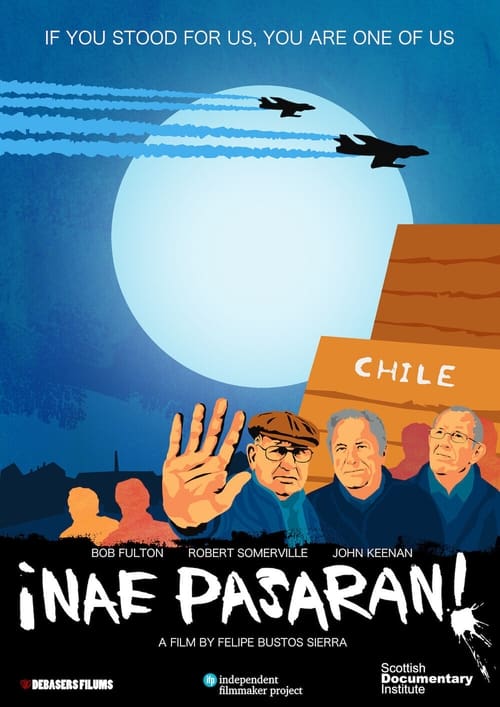
Nae Pasaran
2018
No user ratings available yet
Diversity score: 6.4 out of 10
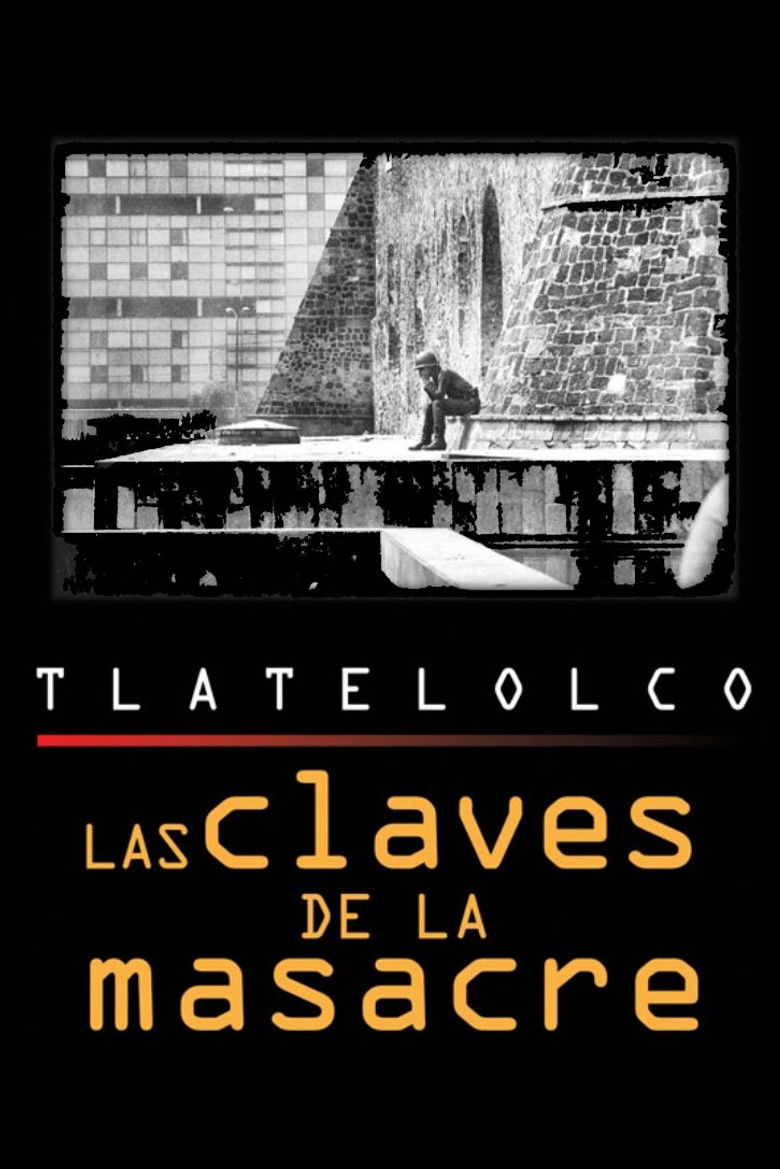
2002
Director
Carlos Mendoza
Runtime
58 minutes
Average Rating
No ratings yetSynopsis
Documentary about the events of October 2, 1968, in which military leaders and key documents are identified to highlight the mechanisms used by the repressive forces of the government against the student protests.
Overall Score
Good
Category Breakdown
LGBTQ+ Representation
The film focuses primarily on the 1968 political student movement. There is no explicit evidence regarding the depiction of LGBTQ+ identities or non-cisnormative gender expressions.
Gender Representation
The documentary examines social upheaval that challenged traditional hierarchies. While specific female character arcs are not detailed, the focus on dismantling repressive structures disrupts patriarchal leadership models.
Racial & Ethnic Diversity
The narrative serves as a profound exploration of Mexican identity. It centers the experiences of students and indigenous or mestizo populations to disrupt Eurocentric historical lenses.
Religious & Cultural Diversity
The film builds a critique of state authority and institutional corruption. It prioritizes a deconstruction of official history, favoring a nuanced understanding of power and anti-authoritarian frameworks.
Disability Representation
There is no evidence that neurodivergence or physical disabilities are central themes. While disability may result from the violence described, it is not a primary narrative driver.
Strengths
Areas for Improvement
AI Analysis
Carlos Mendoza’s documentary acts as a tool for historical reclamation, challenging official state narratives regarding the Tlatelolco massacre. It succeeds by centering the struggle of Mexican students and marginalized populations against systemic oppression. The film's strength lies in its cultural and racial analysis, providing a post-colonial critique of domestic power structures. It effectively uses the 1968 events to expose the mechanisms of state violence and institutional corruption. However, the documentary lacks specific focus on LGBTQ+ identities or disability representation. While it disrupts patriarchal models through its political lens, these specific social categories remain largely unaddressed in the narrative.
2018
2016
1990
2012
1977
2018
2019

2013
2004
1997
2014
1971
No reviews yet. Be the first to share your thoughts on this movie!
Use the rating form above to leave a star rating and optional review.