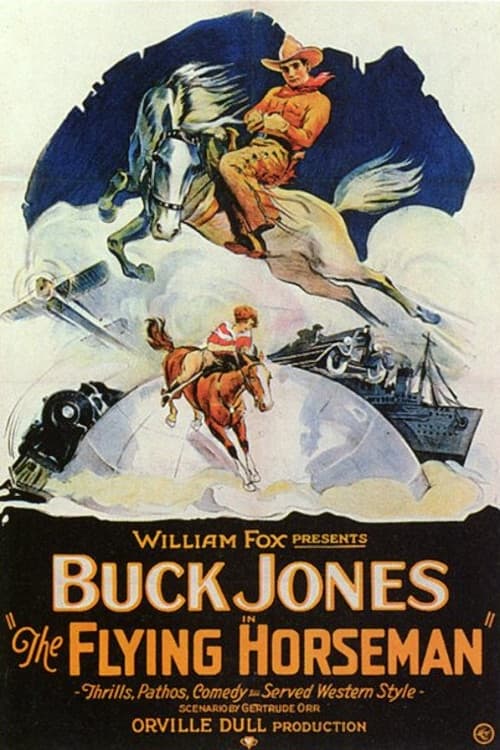
The Flying Horseman
1926
No user ratings available yet
Representation score: 1.4 out of 10
Representation Score
Minimal
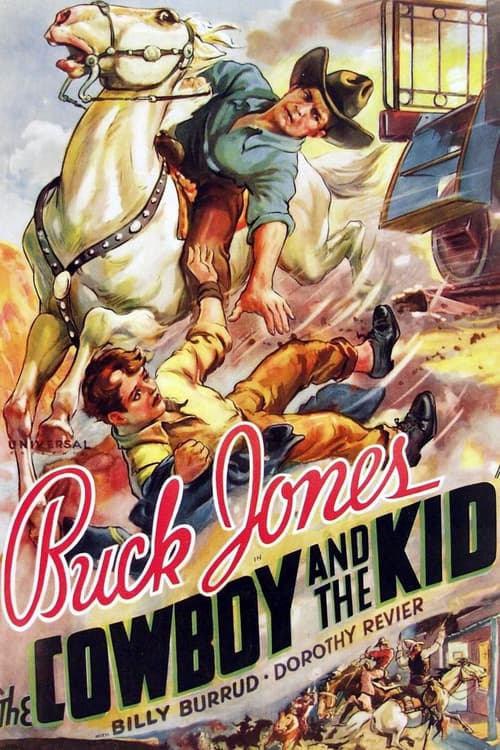
1936
ApprovedDirector
Ray Taylor
Runtime
58 minutes
Average Rating
No ratings yetNew Showbiz Analysis
The Cowboy and the Kid is a traditional 1930s Western that relies heavily on established genre clichés. The narrative prioritizes binary moral conflicts and frontier archetypes over social complexity. While the film features a female lead, her role is defined by vulnerability and the need to recover lost funds. This places her within the era's typical gender hierarchies rather than as a figure of independent authority. The film lacks diversity, presenting a homogeneous social landscape. It functions as a standard genre piece that reinforces, rather than challenges, the social norms of its time.
Category Breakdown
The film highlights a close friendship between a drifter and a child, but it does not depict non-cisgender identities or same-sex relationships.
June Caldwell's role as a plot catalyst is driven by her financial struggles. Her influence is tied to a crisis situation rather than systemic authority.
The story unfolds in a typical Western setting. There are no specific character descriptions indicating a non-Anglo-Saxon majority or diverse casting.
The story emphasizes traditional morality and the protection of community institutions. It upholds the social structures of the 1930s.
The film does not include any characters with visible or invisible disabilities.
Present on Screen
Limited or Absent
Official Synopsis
Penniless drifter Steve Davis finds young Jimmy Thomas just after his father is killed. The two become friends and Steve looks for work. This brings him to town where teacher June Caldwell has lent money from the school fund to the dishonest Jess Watson, She now desperately needs it back and Steve soon finds himself in the middle of the conflict.
1926
1931
1934
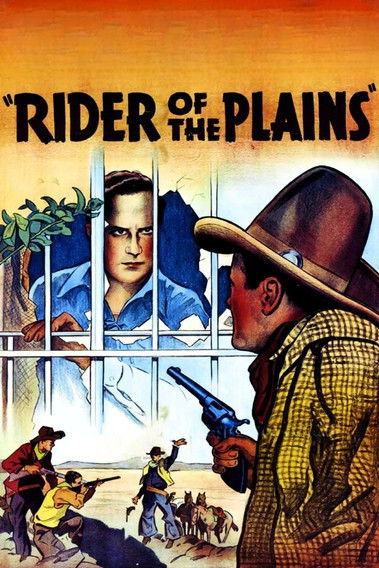
1931
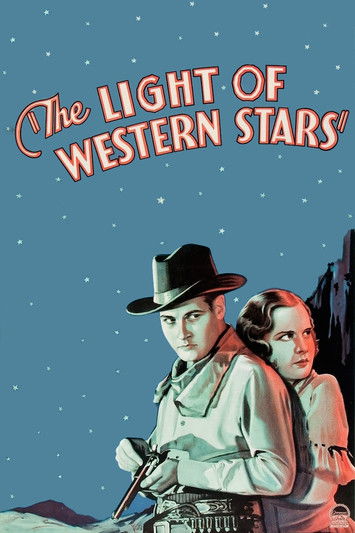
1930
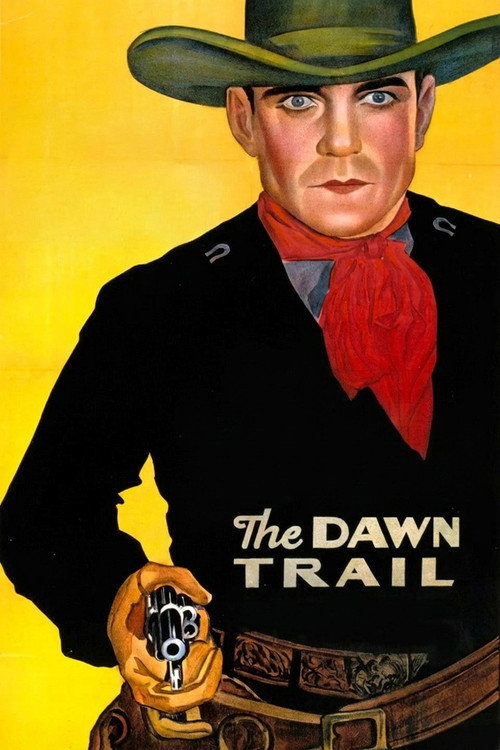
1930
1934

1935
No reviews yet. Be the first to share your thoughts on this movie!
Use the rating form above to leave a star rating and optional review.