
Little Angel, Make Me Happy
1993
No user ratings available yet
Representation score: 7.1 out of 10
Representation Score
Fair
2008
Director
Rustem Abdrashov
Runtime
97 minutes
Average Rating
No ratings yetNew Showbiz Analysis
The film stands out as a powerful example of storytelling that emphasizes a multi-ethnic, post-colonial perspective. By placing a Jewish child within a Kazakh family alongside Polish characters, it successfully dismantles ethnic uniformity. While the film lacks LGBTQ+ representation and specific disability portrayals, it compensates through a rich tapestry of cultural and racial identities. The narrative leverages these diverse backgrounds to critique the predatory nature of centralized, authoritarian institutions. Ultimately, the work succeeds by highlighting individual survival amidst sweeping geopolitical changes and systemic state violence.
Category Breakdown
The film does not include any LGBTQ+ characters or themes. The central romantic relationship between Vera and Ezhik follows traditional heterosexual structures.
Female characters such as Vera show significant resilience and play a crucial role in driving the story. They navigate social stigma and systemic harassment while serving as emotional anchors for their communities.
The film portrays a multi-ethnic community effectively. It integrates Jewish, Kazakh, and Polish identities into a cohesive narrative of shared displacement.
The film provides a deep critique of Soviet institutional oppression. It depicts the state as a destructive force that undermines community and family life.
There are no clear depictions of physical or neurodivergent disabilities in the narrative.
Present on Screen
Limited or Absent
Official Synopsis
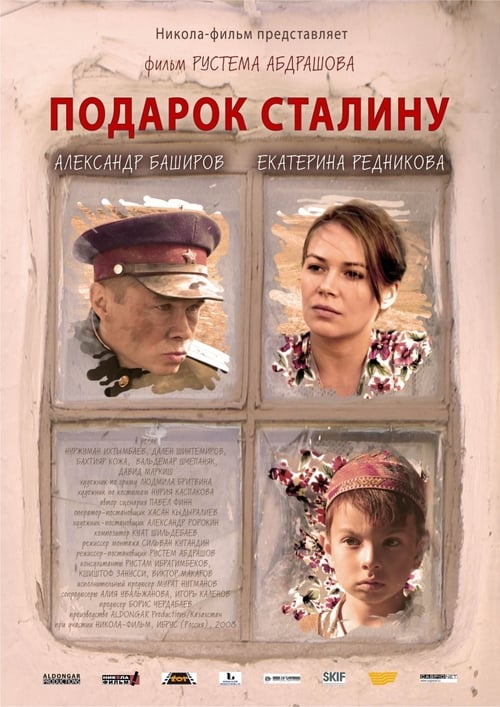
A Jewish child deported to Kazakhstan is saved and adopted by Kasym, an old Kazakh railway-man. Kasym gives him a Kazakh name, Sabyr, that in Kazakh language means humble. The child grows up in the small Kazakh village along with other deportees Vera, a traitor's wife, and Ezhik a Polish doctor. The Soviet militia harasses the poor peasants and Vera suffered the harassment of a bully cop: Bulgabi. Finally Vera accepts the marriage proposal of Ezhik but the jealous Bulgabi tries to prevent the marriage. The result is a fight in which Ezhik shoots himself accidentally. The old Kasym decides that Sabyr is now old enough to go to seek his real parents. At the end Sabyr, now an adult, decides to return to the village, but the village no longer exists because it was destroyed by a Soviet nuclear test.
1993
2017
2010

2005
1958
2018
1983
2005
No reviews yet. Be the first to share your thoughts on this movie!
Use the rating form above to leave a star rating and optional review.