Orphan
2025
No user ratings available yet
Diversity score: 6.4 out of 10
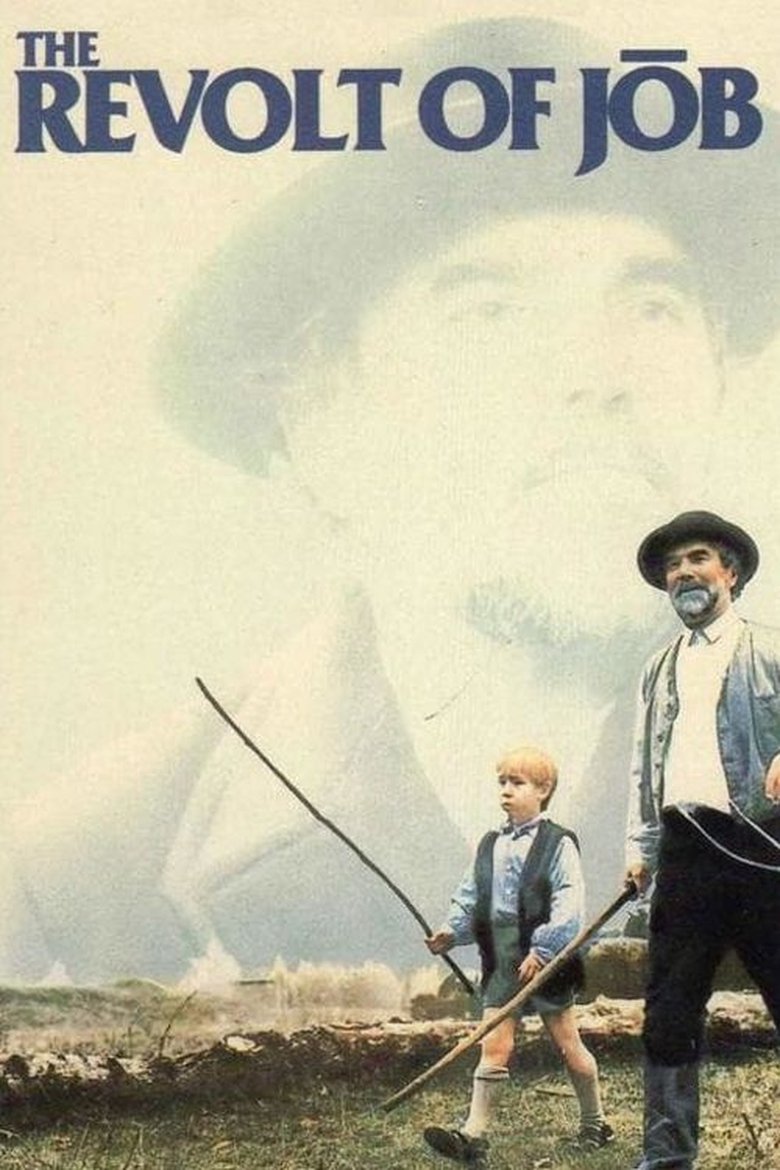
1983
Director
Imre Gyöngyössy, Barna Kabay
Runtime
98 minutes
Average Rating
No ratings yetSynopsis
The story of a childless Jewish couple in WWII-era Hungary who adopt a Hungarian boy and raise him with their values and traditions.
Overall Score
Good
Category Breakdown
LGBTQ+ Representation
The narrative lacks explicit evidence of LGBTQ+ characters or non-heteronormative identities. The focus remains on a Jewish couple, centering a different dimension of domesticity.
Gender Representation
The film potentially subverts traditional family structures through a childless couple navigating WWII-era pressures. It explores individual agency within a domestic sphere disrupted by systemic forces.
Racial & Ethnic Diversity
The film centers a Jewish family in WWII-era Hungary, disrupting homogeneous national depictions. It highlights the intersection of ethnic identity and integration during systemic oppression.
Religious & Cultural Diversity
The story prioritizes cultural continuity by passing Jewish values and traditions to an adopted child. This approach critiques dominant power structures and state-mandated assimilation.
Disability Representation
There is no evidence regarding the depiction of physical or neurodivergent disabilities within the provided narrative.
Strengths
Areas for Improvement
AI Analysis
The Revolt of Job is a sophisticated historical drama that centers marginalized perspectives within a landscape often dominated by majority-culture narratives. By focusing on a Jewish family during WWII, the film disrupts traditional nationalist storytelling and explores the complexities of ethnic identity. While the film lacks modern identity politics like LGBTQ+ representation or disability visibility, it excels in its critique of systemic oppression. The narrative uses the domestic sphere to challenge monolithic national identities and state-sponsored persecution. Ultimately, the film's strength lies in its exploration of cultural continuity and the deconstruction of the traditional family unit during a period of extreme crisis.
2025
1975

1999
2007
2017

2008
2013

1978

1993

2008

1987

2005
No reviews yet. Be the first to share your thoughts on this movie!
Use the rating form above to leave a star rating and optional review.