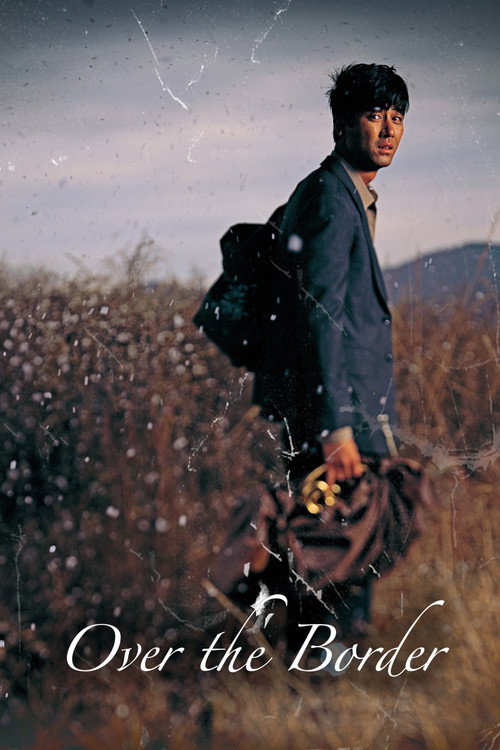
Over the Border
2006
No user ratings available yet
Representation score: 5.4 out of 10
Representation Score
Fair
2012
Director
Yang Yong-hi
Runtime
100 minutes
Average Rating
No ratings yetNew Showbiz Analysis
Yang Yong-hi uses a deeply personal, autobiographical lens to examine the geopolitical struggles of the ethnic Korean diaspora. By focusing on the Zainichi community, the film provides a rare look at underrepresented identities caught between Japan and North Korea. The documentary humanizes a group often rendered invisible by mainstream media. It uses the tension between state propaganda and individual truth to critique systemic indoctrination and the psychological costs of absolute authority. While the film offers profound cultural and ethnic depth, it lacks representation for LGBTQ+ identities and does not feature central narratives regarding disability.
Category Breakdown
The film focuses on the lives of ethnic Koreans in Japan and North Korean citizens. There are no LGBTQ+ identities or non-cisgender narratives present.
The narrative explores the domestic sphere and the psychological pressures placed on women. It examines traditional gender roles without promoting them as ideals.
The film excels in examining the Zainichi Korean diaspora. It centers on the lived experiences of this ethnic minority, navigating identities between Japan and North Korea.
The work rigorously deconstructs state-mandated institutions. It contrasts official propaganda with the real-life experiences of citizens to critique centralized, totalitarian power.
There are no specific depictions of visible or invisible disabilities that serve as central narrative drivers or plot devices.
Present on Screen
Limited or Absent
Official Synopsis
From the late 1950s through the '70s, more than 90,000 of the ethnic Koreans in Japan emigrated to North Korea, a country that promised them affluence, justice, and an end to discrimination. KAZOKU NO KUNI tells the story of one of their number, who returns for just a short period. For the first time in 25 years, Sonho is reunited with his family in Tokyo after being allowed to undergo an operation there. Sonho’s younger sister Rie is at the centre of the film, and is not hard to recognise as the director’s alter-ego. In her documentaries DEAR PYONGYANG and SONA, THE OTHER MYSELF, Yang Yonghi told the story of her own life, and how, at age six, she experienced the departure of her three older brothers, who left their family for Pyongyang.
2006
2001
2008
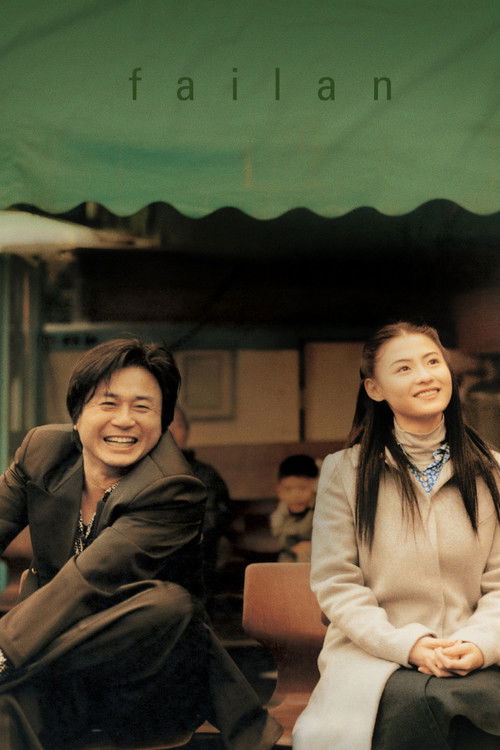
2001

1984
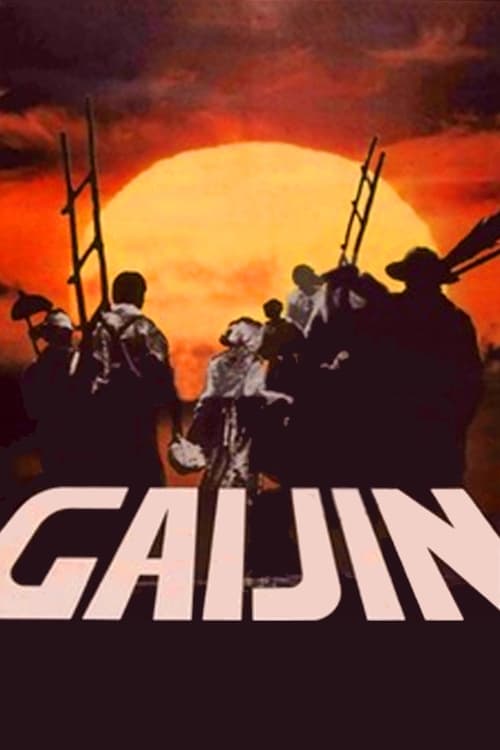
1980
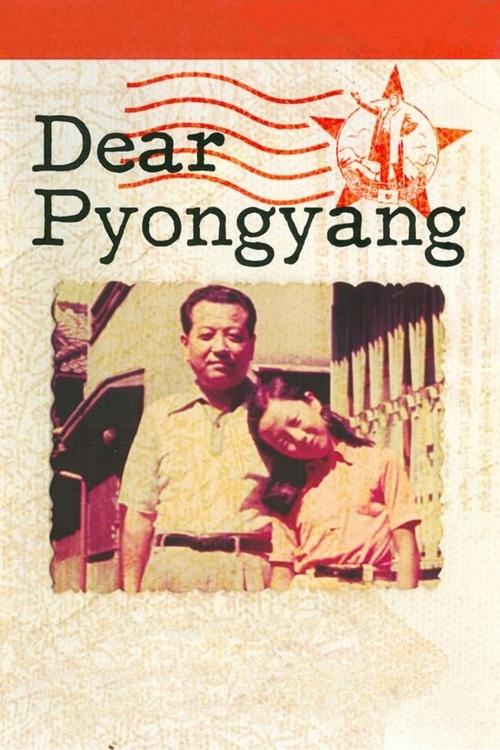
2006
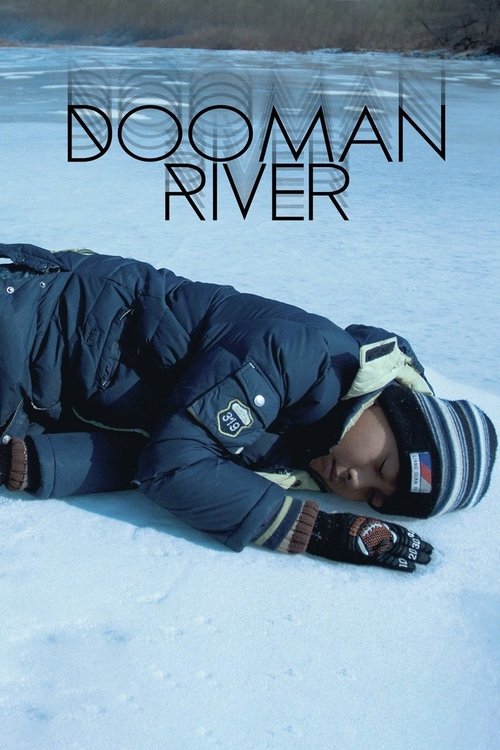
2010
No reviews yet. Be the first to share your thoughts on this movie!
Use the rating form above to leave a star rating and optional review.