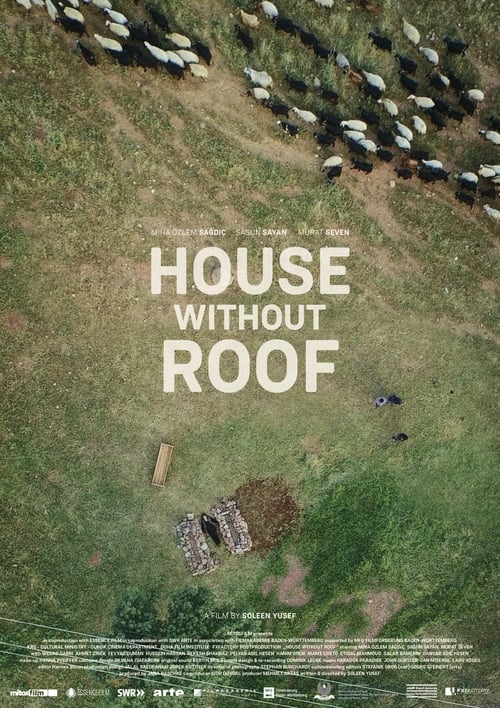
House Without Roof
2017
No user ratings available yet
Representation score: 4.4 out of 10

Representation Score
Limited
2009
Director
Mahsun Kırmızıgül
Runtime
115 minutes
Average Rating
No ratings yetNew Showbiz Analysis
I Saw the Sun is a poignant exploration of ethnic identity and the systemic pressures of political conflict. It succeeds by shifting the focus from a centralized national identity to the lived realities of a underrepresented group, providing a meaningful disruption of conventional historical dramas. However, the film remains tied to traditional social structures. Its reliance on male-driven survival narratives and domestic female roles limits its progressiveness regarding gender dynamics. Ultimately, the film's strength lies in its socio-political critique. While it lacks queer representation and disability visibility, its centering of Kurdish struggles offers a nuanced look at the complexities of ethnic identity within a fractured state.
Category Breakdown
The film does not include any LGBTQ+ characters or explore non-straight relationships. The story focuses on the socio-political struggles of the Kurdish community and their families.
The narrative centers on male-driven survival experiences and traditional gender roles. Women are present but are mostly confined to domestic spheres, reinforcing conventional gender hierarchies.
The film highlights the Kurdish population by centering their lived experiences. It avoids monolithic portrayals by focusing on the Altun family's displacement and struggles.
The story critiques state-level power dynamics and the breakdown of social order. It portrays the struggle of the peasantry against larger, destabilizing political forces.
There are no characters with visible or invisible disabilities receiving central narrative focus or serving as plot devices.
Present on Screen
Limited or Absent
Official Synopsis
In the southeast region of Turkey, the Kurdish family of Altun lives in a small mountainside village plagued by a 25-year war that makes their daily lives a hellish struggle. As the war intensifies, the family is forced to migrate west to the city of Istanbul.
2017
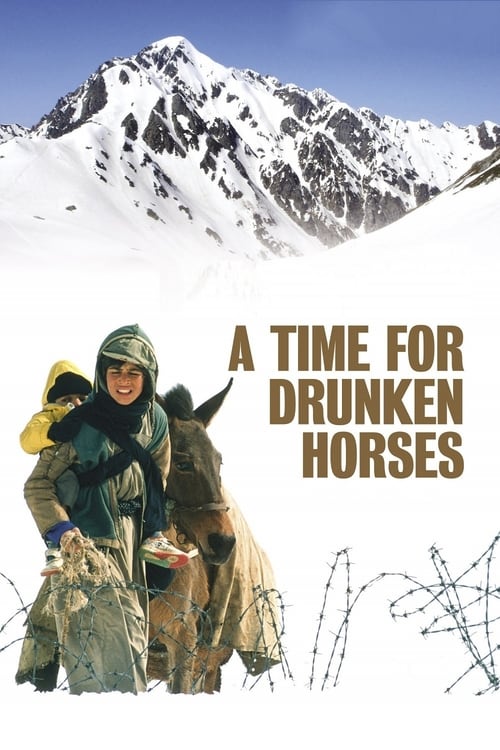
2000
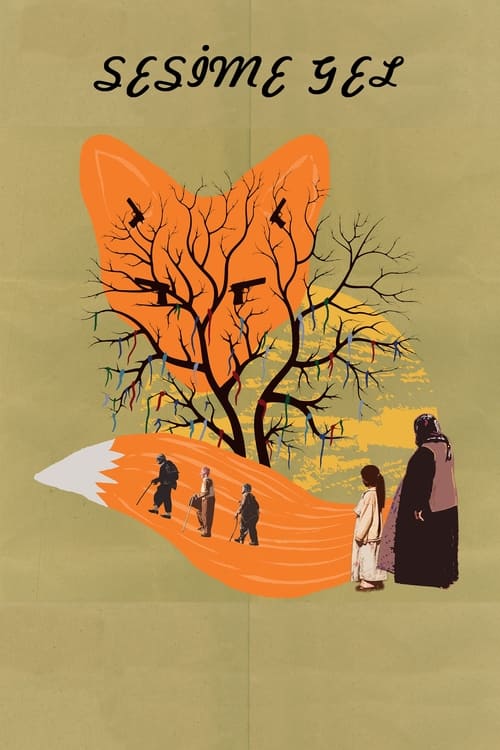
2014
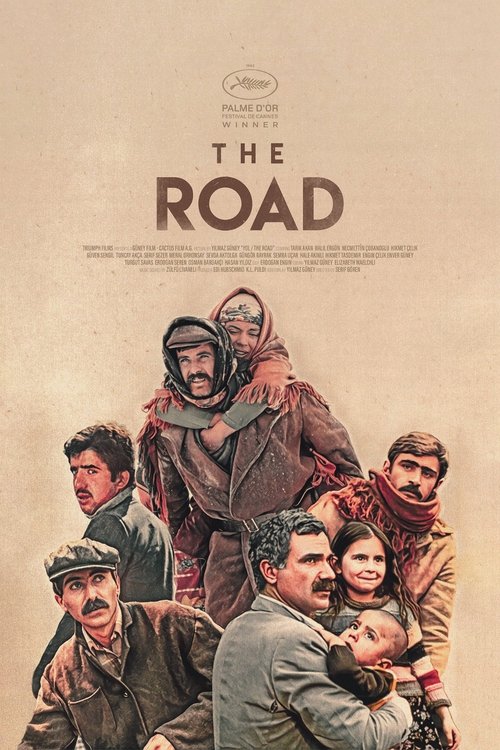
1982
2015
2009
1999

2014
No reviews yet. Be the first to share your thoughts on this movie!
Use the rating form above to leave a star rating and optional review.