The Revolt of Job
1983
No user ratings available yet
Representation score: 5.9 out of 10
Representation Score
Fair
2025
Director
László Nemes
Runtime
132 minutes
Average Rating
No ratings yetNew Showbiz Analysis
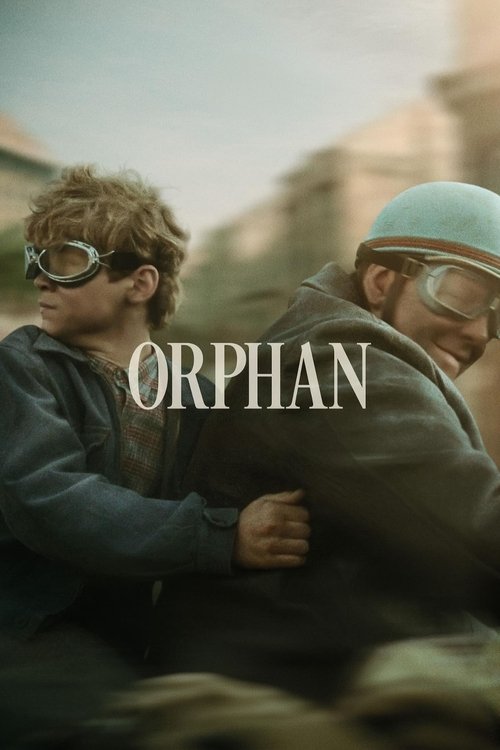
Orphan is a sophisticated historical drama that emphasizes the lived experiences of a underrepresented ethnic group. By focusing on a Jewish protagonist, the film avoids the common pitfall of presenting a homogenized European history. The film's strength lies in its ability to dismantle the myth of a stable family unit and the protective state, replacing these with a nuanced study of survival and systemic oppression during the aftermath of the Hungarian Revolution. While the film excels in providing a rich, cultural context, it lacks significant representation for LGBTQ+ identities and disabilities. However, the subversion of traditional gendered leadership roles adds a meaningful layer of diverse storytelling.
Category Breakdown
The film centers on the relationship between a Jewish mother and son, with no clear evidence of queer-coded characters or critiques of the assumption that everyone is straight or cisgender.
Klára, a Holocaust survivor, plays a key role in driving the emotional storyline through her strategic actions and protection. The story challenges traditional gender roles by highlighting female resilience instead of the expected male leadership.
The film focuses on a Jewish protagonist navigating the post-Holocaust environment of 1950s Budapest, avoiding common stereotypes by emphasizing the unique experiences of Jewish survival and trauma.
The movie critiques the Communist regime as an oppressive force, exploring how families cope with the moral complexities of systemic historical trauma.
There is no explicit depiction of physical or neurodivergent disabilities in the available plot details.
Present on Screen
Limited or Absent
Official Synopsis
A young boy after the Hungarian uprising of 1956, raised by his mother with the tale of an idealized dead father, has his world turned upside down when a brutish man appears, claiming to be his true parent.
1983

2005

2018

2007
1984

2020

2019

2023
No reviews yet. Be the first to share your thoughts on this movie!
Use the rating form above to leave a star rating and optional review.