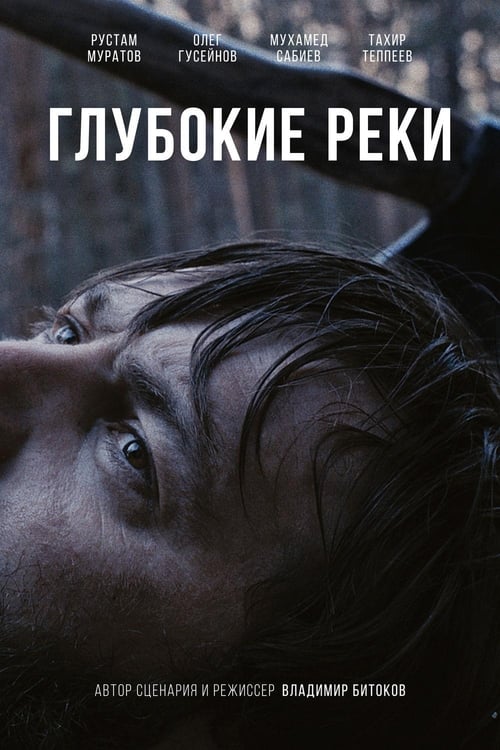
Deep Rivers
2018
No user ratings available yet
Representation score: 0.8 out of 10

Representation Score
Limited
2017
Director
Kantemir Balagov
Runtime
118 minutes
Average Rating
No ratings yetNew Showbiz Analysis
Kantemir Balagov’s work is a rigorous exercise in social realism that avoids sanitized or heroic depictions of conflict. The film succeeds by providing a deeply localized look at ethnic the way different parts of someone's identity overlap, specifically through the lens of a Jewish family in Nalchik. This approach disrupts monolithic portrayals of regional instability. However, the film's scope is narrow regarding other forms of identity. The narrative is heavily anchored in patriarchal survival, which limits the breadth of gender representation. The absence of LGBTQ+ and disability-focused narratives results in a lower overall score despite the film's cultural depth. Ultimately, the film is a sophisticated critique of institutional failure. It trades traditional cinematic clichés for a gritty, culturally specific exploration of how systemic collapse forces a re-evaluation of social cohesion and morality.
Category Breakdown
The film focuses on the survival of a Jewish family and community dynamics. There are no LGBTQ+ characters or narratives addressing non-cisgender identities.
The narrative centers on patriarchal structures and male-driven survival. While it portrays masculinity as fractured and reactive, it lacks significant women's ability to drive the story or subversion of traditional gender roles.
The film excels by centering a Jewish family in the North Caucasus. It provides high ability to act to characters navigating ethnic identity and socioeconomic displacement within a localized realism.
The story depicts the breakdown of state and legal authority, forcing characters into moral relativism. It deconstructs heroic war narratives to focus on systemic victimization.
There is no evidence of physical, neurodivergent, or mental health disabilities serving as central narrative drivers in this work.
Present on Screen
Limited or Absent
Official Synopsis
1998, Nalchik. A Jewish family is in trouble: the youngest son and his bride do not come home, and in the morning, a ransom note arrives. The ransom is so high that the family is forced not only to sell its small business, but also to seek help from its fellow tribesmen.
2018

2005
2014

2017
2016
1989
2004

2018
No reviews yet. Be the first to share your thoughts on this movie!
Use the rating form above to leave a star rating and optional review.