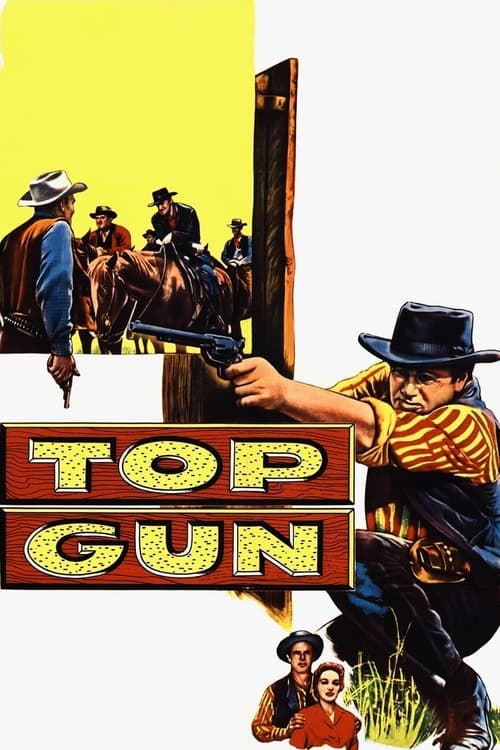
Top Gun
1955
No user ratings available yet
Diversity score: 1.5 out of 10
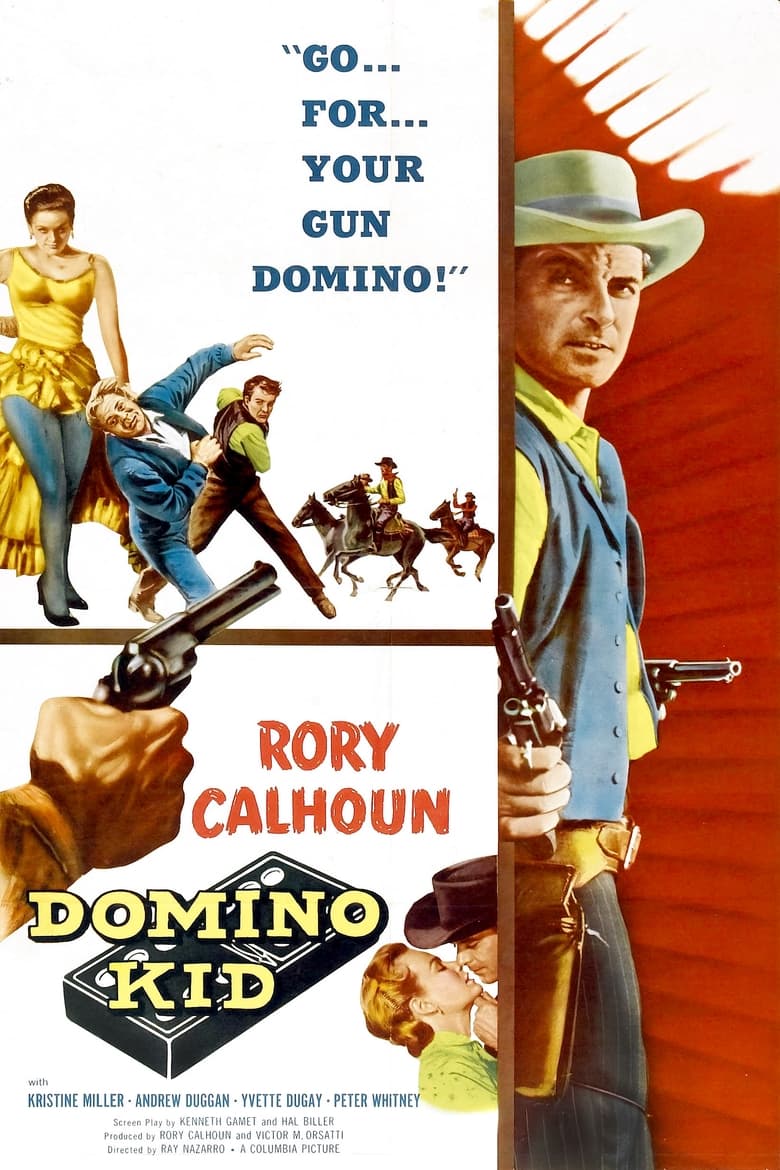
1957
NRDirector
Ray Nazarro
Runtime
74 minutes
Average Rating
No ratings yetSynopsis
A rancher vows revenge on the five men responsible for his father's death.
Overall Score
Minimal
Category Breakdown
LGBTQ+ Representation
The film adheres to strict 1950s heteronormative frameworks. There is no evidence of non-cisnormative identities or same-sex intimacy.
Gender Representation
The narrative focuses on masculine archetypes and male coming-of-age tropes. Female characters are minimal and serve secondary, supportive roles.
Racial & Ethnic Diversity
The cast is primarily white, focusing on Anglo-Saxon frontier archetypes. Characters of color lack significant agency or presence.
Religious & Cultural Diversity
The story emphasizes frontier justice and patriarchal authority. It lacks any significant subtext that critiques traditional Western values.
Disability Representation
There is no discernible representation of physical, sensory, or neurodivergent disabilities. Characters are defined by physical capability.
Strengths
Areas for Improvement
AI Analysis
Domino Kid is a quintessential 1950s Western that reinforces the social hierarchies and demographic homogeneity of its era. The plot centers on masculine development and vengeance, leaving little room for diverse perspectives. The film relies on traditional archetypes, presenting a world where gender roles are rigid and racial diversity is virtually non-existent. It functions as a standard genre piece rather than a work that challenges the status quo. Ultimately, the production lacks the intentionality needed to provide meaningful intersectional representation, sticking instead to the established studio norms of the mid-century.
1955
1964
1948
1944
1967
1954
1958
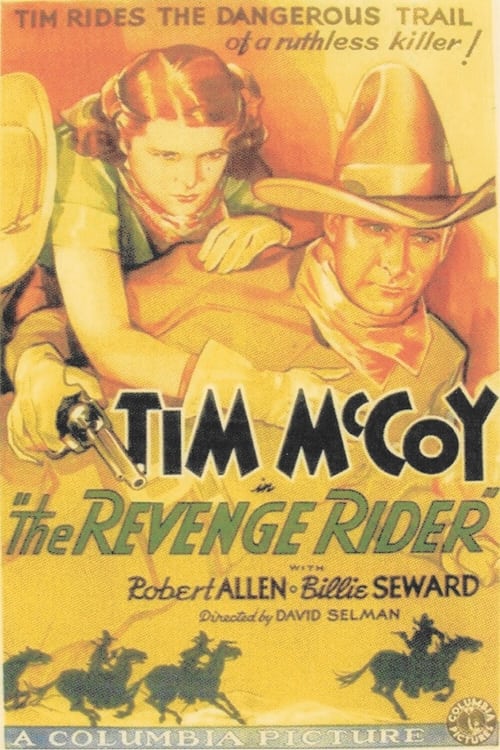
1935
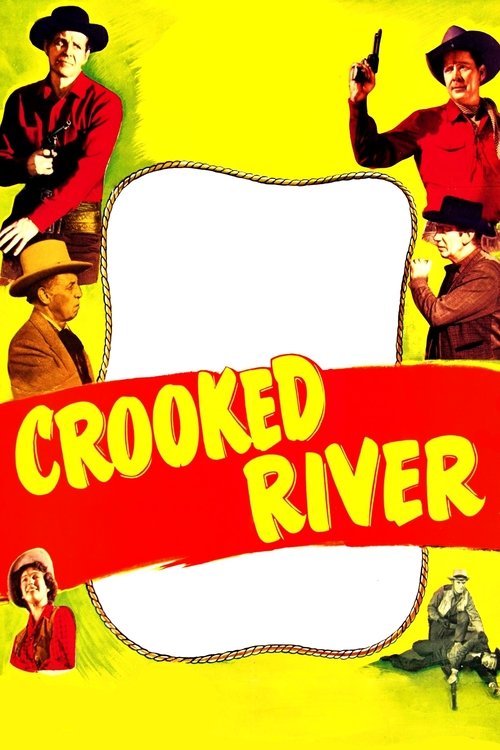
1950
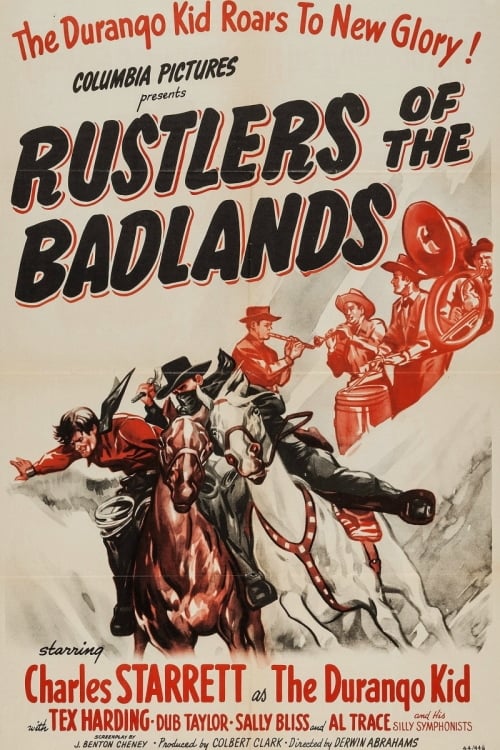
1945
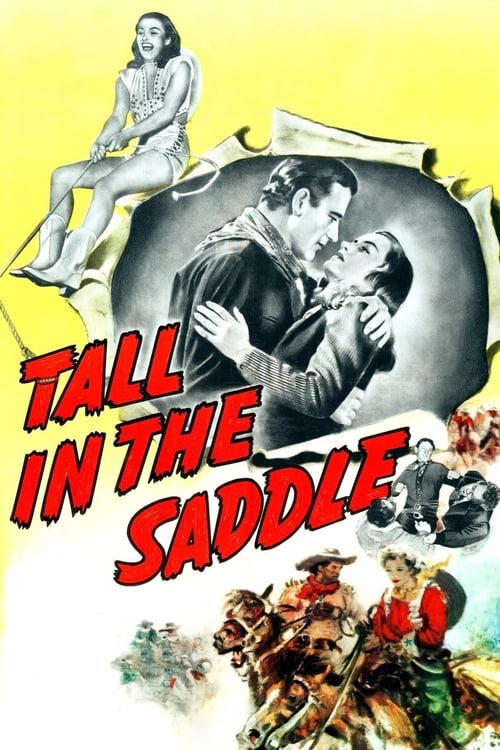
1944

1957
No reviews yet. Be the first to share your thoughts on this movie!
Use the rating form above to leave a star rating and optional review.