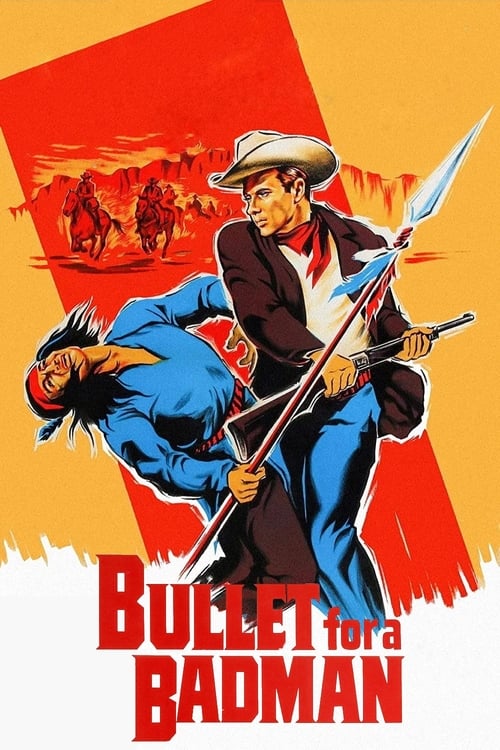
Bullet for a Badman
1964
No user ratings available yet
Diversity score: 2.0 out of 10

1968
Director
Umberto Lenzi
Runtime
81 minutes
Average Rating
No ratings yetSynopsis
At the end of the Civil War, Jim Slade, a young confederate soldier and conscientious objector, returns to his ranch to find his parents murdered and the ranch practically destroyed. He finds and kills three of the murderers and learns the name of the fourth, a certain Corbett. Finally he discovers Corbett as the leader of a gang that has plans to rob a local bank and is invited to help defend the town from the bandits. Teaming with a preacher, who has an agenda of his own, the two take a stand against Corbett.
Overall Score
Limited
Category Breakdown
LGBTQ+ Representation
The film lacks any presence of non-cisnormative identities or same-sex intimacy. It focuses strictly on masculine archetypes of violence and retribution within a rigid frontier framework.
Gender Representation
Female characters occupy secondary, archetypal roles like saloon girls or victims. The plot is driven by male-dominated power dynamics and the central conflict between the protagonist and outlaws.
Racial & Ethnic Diversity
The casting reflects standard Spaghetti Western tropes, featuring predominantly white protagonists and antagonists. The narrative reinforces a homogeneous racial landscape centered on specific white factions.
Religious & Cultural Diversity
The film explores frontier justice through a morally ambiguous preacher. However, the story remains centered on individualistic revenge and property ownership rather than systemic critiques.
Disability Representation
There is no evidence of characters with visible or invisible disabilities. Disability is not utilized as a central theme or character-driven element in this narrative.
Strengths
Areas for Improvement
AI Analysis
A Gun for One Hundred Graves is a quintessential Spaghetti Western that prioritizes traditional masculine agency and genre-standard social hierarchies. The narrative focuses on a cycle of revenge and frontier lawlessness, offering little room for intersectional complexity. The film adheres to the era's conventional gender and racial norms, centering on white male protagonists. While it introduces moral ambiguity through a preacher with a private agenda, it remains rooted in established genre tropes.
1964
1966
1970
1964
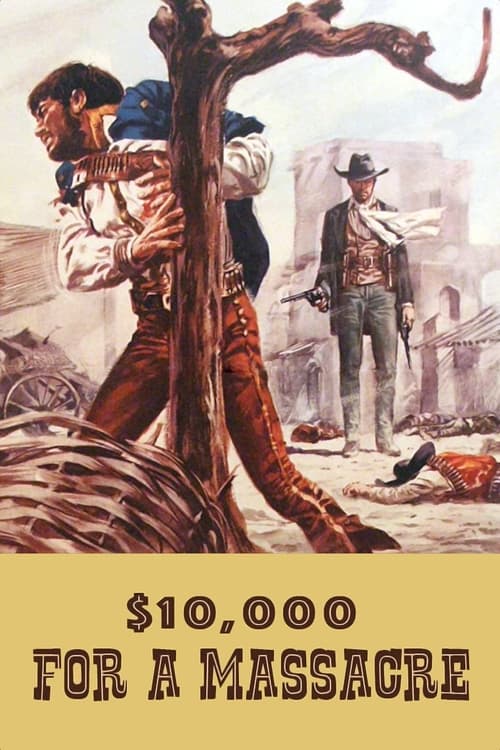
1967
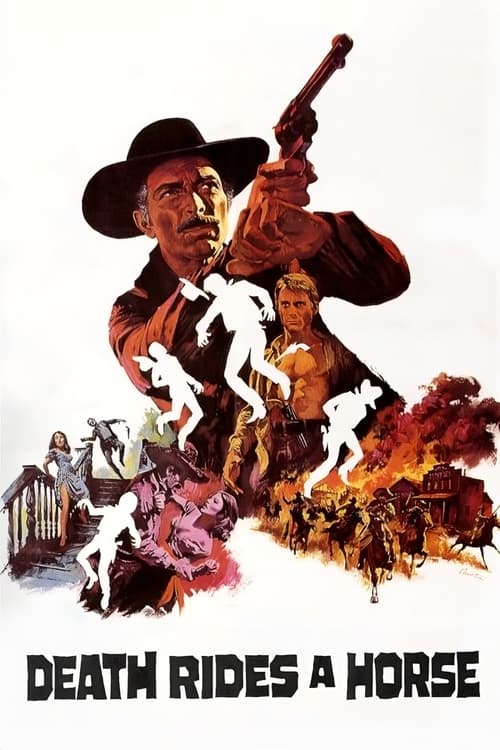
1967
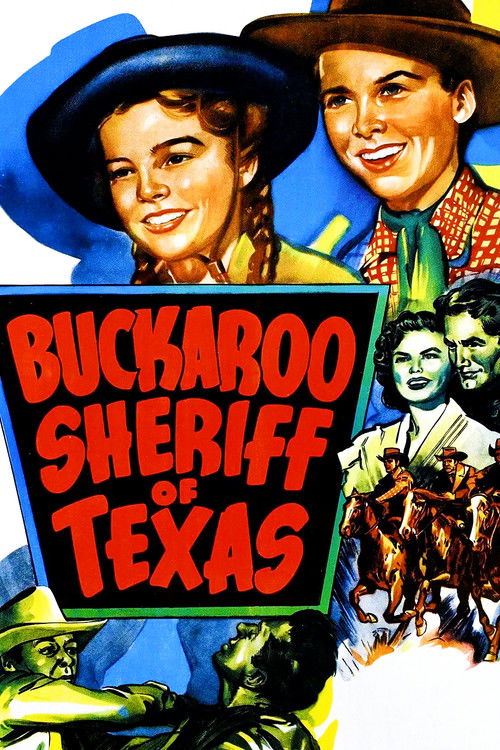
1951
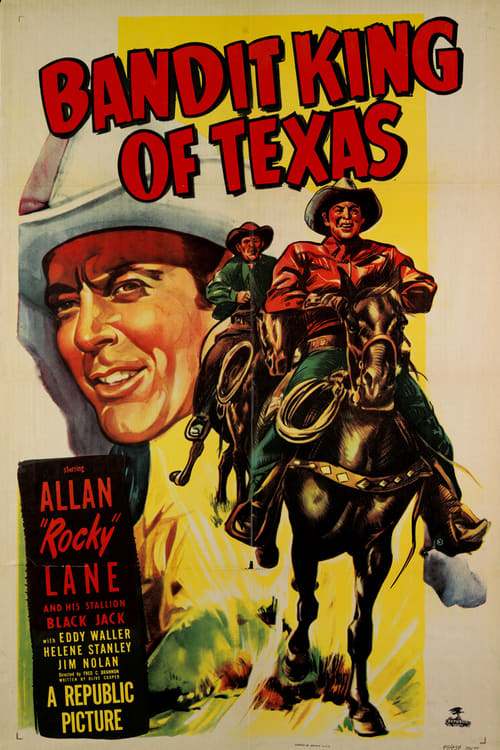
1949

1960
1953
1964
1951
No reviews yet. Be the first to share your thoughts on this movie!
Use the rating form above to leave a star rating and optional review.