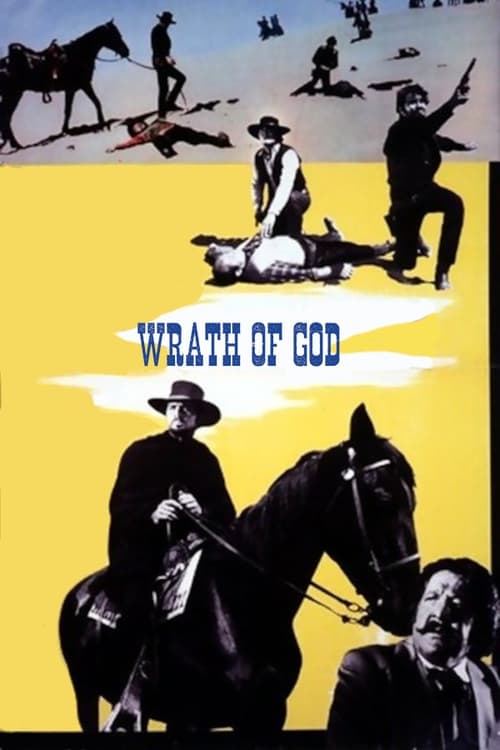
Wrath of God
1968
No user ratings available yet
Representation score: 1.0 out of 10
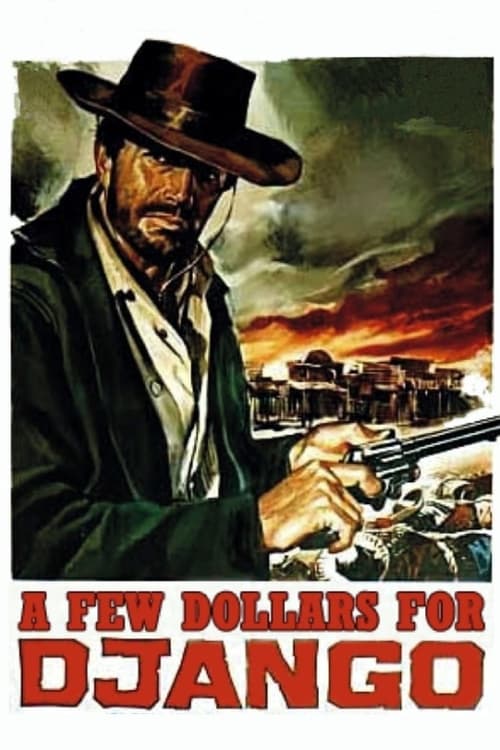
Representation Score
Minimal
1966
Not RatedDirector
León Klimovsky
Runtime
83 minutes
Average Rating
No ratings yetNew Showbiz Analysis
A Few Dollars for Django is a quintessential genre piece that adheres to the demographic norms and traditional hierarchies of the 1960s Western. The film prioritizes kinetic action and moral ambiguity, focusing heavily on male clichés of violence and survival. The narrative structure is built upon a homogeneous social landscape. It offers minimal disruption to conventional cinematic expectations, reinforcing established gender roles and a lack of ethnic or sexual diversity. Ultimately, the film functions as a standard Spaghetti Western, emphasizing the individualistic struggle of a bounty killer within a strictly traditional social framework.
Category Breakdown
The film does not include any LGBTQ+ characters or identities that challenge the assumption that everyone is straight or cisgender. The story focuses on traditional romantic relationships centered around the bond between the protagonist and a bandit's daughter.
Female characters are mainly secondary figures or emotional catalysts for the male lead. They have little control over their own destinies and rarely drive the plot forward.
The cast is predominantly white and reflects the standards of 1960s European Westerns. The film does not explore diverse backgrounds or challenge social norms with non-white characters.
The narrative highlights moral relativism and a lawless frontier where traditional authority is ineffective. It emphasizes a rugged, survivalist ethos and individualistic vigilantism over structured social or religious morality.
No visible or invisible disabilities are shown in the narrative. Characters are defined strictly by their physical prowess and capacity for violence, with no exploration of impairment or neurodivergence.
Present on Screen
Limited or Absent
Official Synopsis
Django, bounty killer, hunter and repentant bandit wants to start a new life. No more bullets and blood, after years of killing and horror. Django wants to replace the sherrif and restore law and order to lawless land, but faces the history and bloodshed of his own past. Helped by the love of the daughter of a bandit Django can finally bring his life of violence to and end and spend his days in peace... If he can live that long!
1968
1958
1964
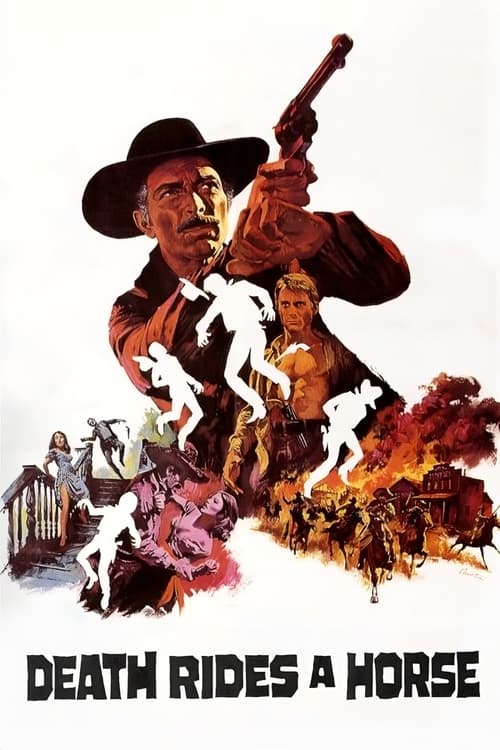
1967
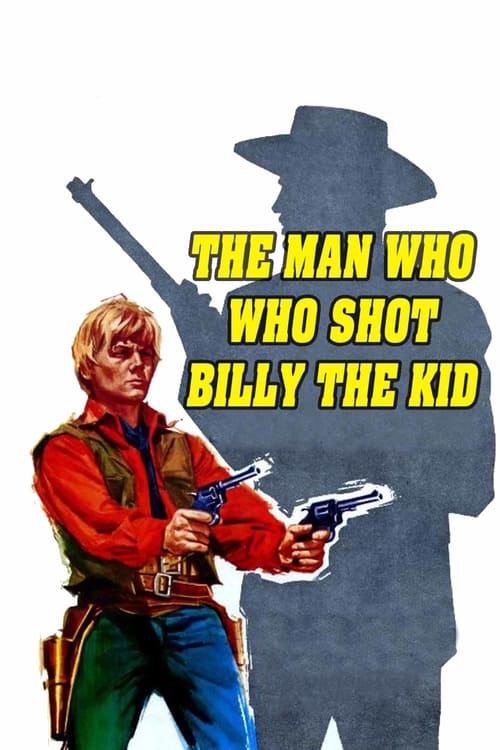
1967
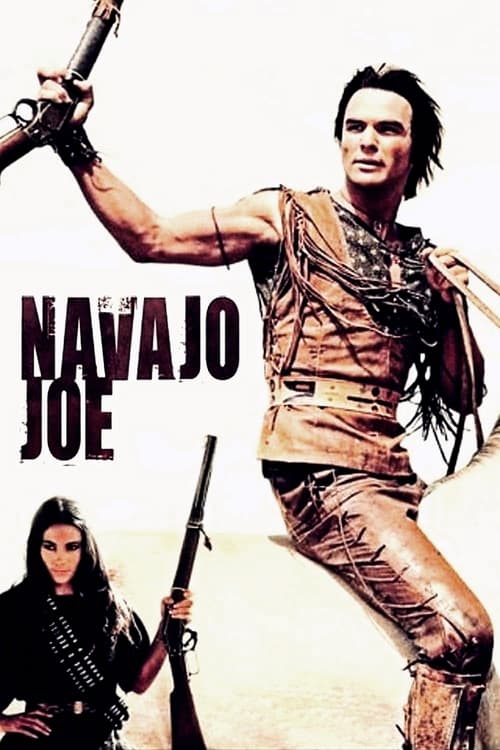
1966
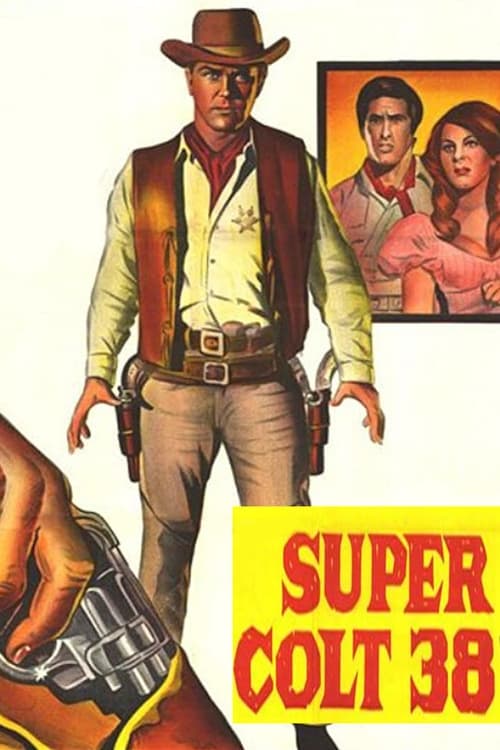
1969
1956
No reviews yet. Be the first to share your thoughts on this movie!
Use the rating form above to leave a star rating and optional review.