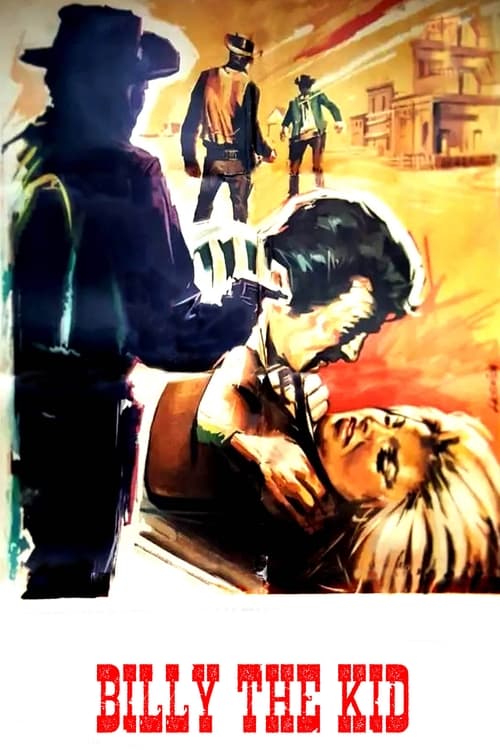
Billy the Kid
1964
No user ratings available yet
Diversity score: 1.8 out of 10
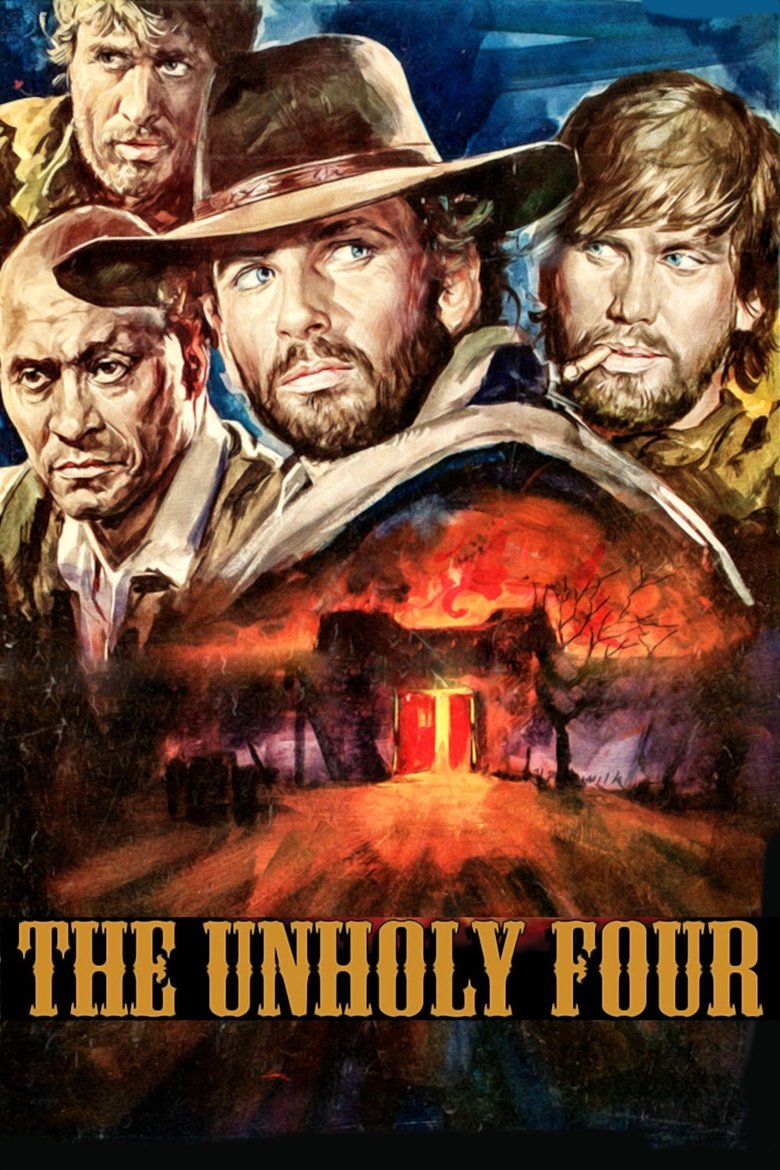
1970
Director
Enzo Barboni
Runtime
95 minutes
Average Rating
No ratings yetSynopsis
A young man who has lost his memory, escapes from prison with three other convicts. The other men help him find back bits of his past, until they arrive at a village where two warring families recognize him. Apparently he has a reputation for being a fast gun, and he has been paid to kill a man - who says he is his father. His younger brother is jealous of the attention the prodigal son receives, and things come to a dramatic end.
Overall Score
Minimal
Category Breakdown
LGBTQ+ Representation
The film lacks any discernible presence of LGBTQ+ characters or narratives. The social framework centers entirely on traditional masculine bonds and familial lineage.
Gender Representation
A rigid patriarchal hierarchy drives the narrative through an ensemble of male protagonists. Female characters are relegated to the periphery, serving as secondary figures without significant agency.
Racial & Ethnic Diversity
Casting is predominantly homogeneous, reflecting standard Western tropes of a white-centric frontier. There is no evidence of significant racial blending or non-white characters in positions of high agency.
Religious & Cultural Diversity
The film explores moral ambiguity through vigilantism and includes a priest, suggesting a traditional religious framework. It utilizes the outlaw trope to drive individualistic rather than systemic conflict.
Disability Representation
There is no visible or substantive portrayal of physical or neurodivergent disabilities. Characters are defined solely by their utility as combatants or specialists.
Strengths
Areas for Improvement
AI Analysis
The Unholy Four is a conventional Spaghetti Western that prioritizes archetypal masculine conflict and cyclical violence over social interrogation. The narrative focuses on identity and vengeance within a lawless frontier, adhering strictly to established genre conventions. Demographically, the film reinforces traditional hierarchies. It features a homogeneous cast and a male-dominated power structure where agency is defined by physical prowess and gunfighting. Female and non-white characters lack significant roles or influence. Ultimately, the film functions as a genre exercise. It offers no disruption of established cultural or gendered expectations, focusing instead on individualist revenge and the standard tropes of the era.
1964
1969
1935
1964
1967
1970
1967
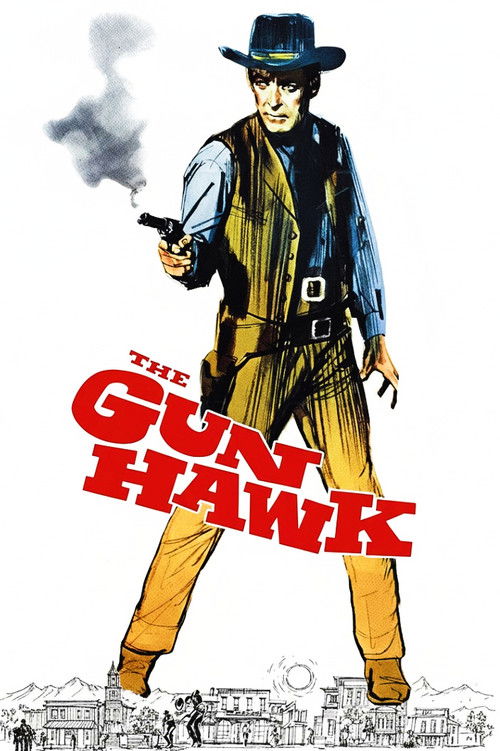
1963
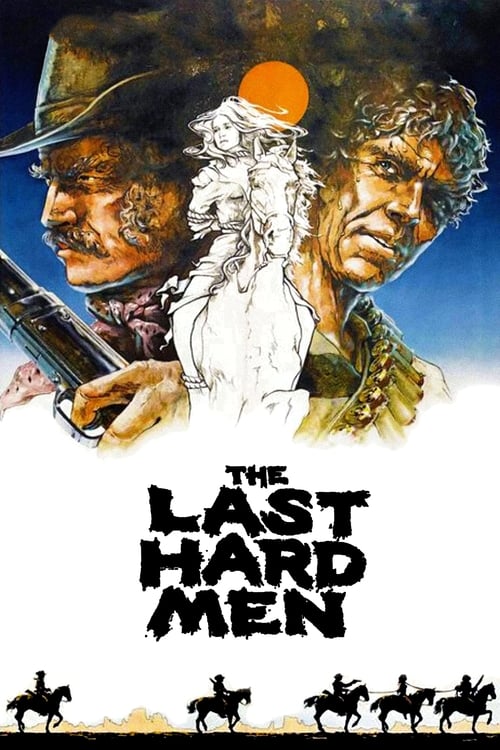
1976
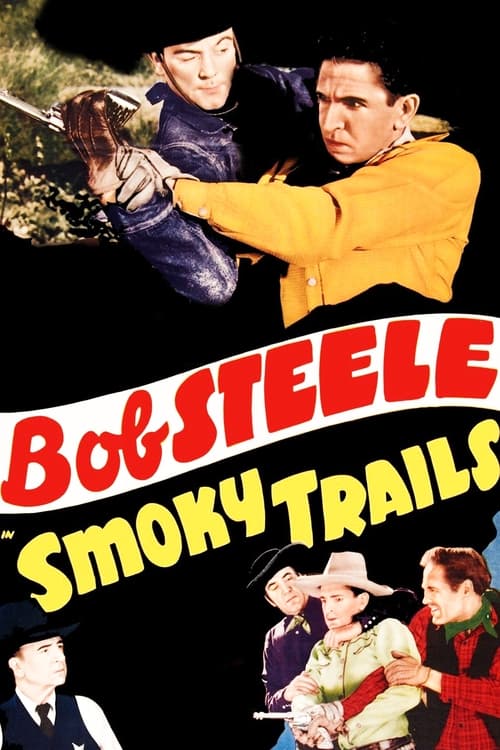
1939
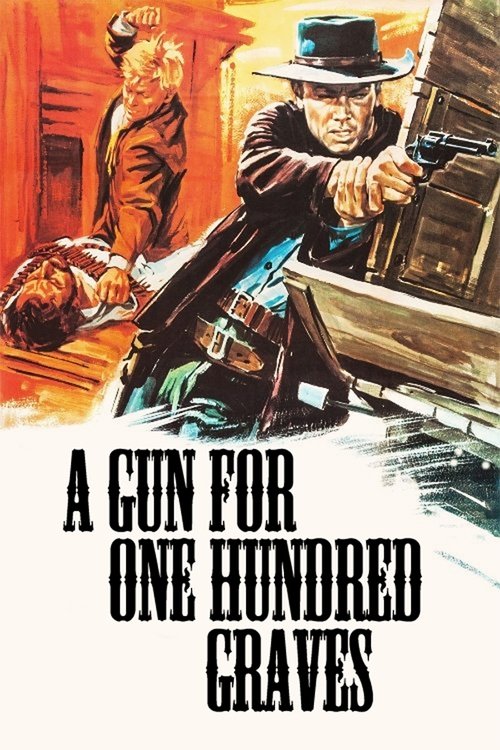
1968
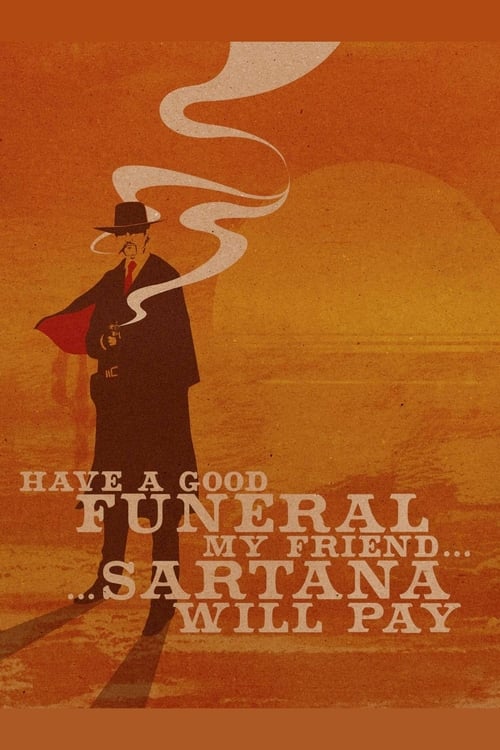
1970
No reviews yet. Be the first to share your thoughts on this movie!
Use the rating form above to leave a star rating and optional review.