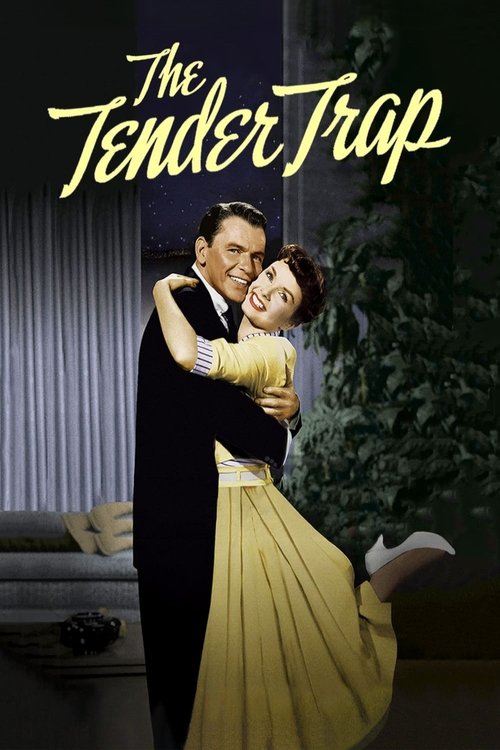
The Tender Trap
1955
No user ratings available yet
Representation score: 0.4 out of 10

Representation Score
Minimal
1960
NRDirector
Walter Lang
Runtime
142 minutes
Average Rating
No ratings yetNew Showbiz Analysis
Can-Can is a quintessential mid-century musical spectacle that prioritizes escapism over social complexity. It adheres strictly to the traditional hierarchies and gendered clichés of 1960s Hollywood, offering no disruption to conventional societal structures. The film functions as a polished, conventional entertainment piece that reinforces the status quo. By focusing on a localized European social stratum, it avoids any meaningful engagement with diverse identities or underrepresented groups. Ultimately, the production serves as a historical benchmark for mainstream studio-era cinema, characterized by a lack of intentionality regarding the deconstruction of power dynamics or identity.
Category Breakdown
The film operates within a strictly heterosexual framework. There is no depiction of same-sex relationships or intimacy.
Female characters are prominently featured but their influence is tied to romantic relationships and social advancement. They primarily serve as objects of desire within a patriarchal system.
The cast is predominantly white, reflecting the 1870s Parisian setting. The production does not include diverse ethnic perspectives or color-blind casting.
The film presents a romanticized version of Parisian history, focusing on Western entertainment traditions without addressing religious or systemic critiques.
There are no prominent depictions of visible or invisible disabilities. The narrative does not address neurodivergence or physical impairment as themes.
Present on Screen
Limited or Absent
Official Synopsis
A Parisian nightclub owner known for her performances of the can-can attracts the ire of a self-righteous judge. He hatches a plot to photograph her in the act but ends up falling for her — much to the chagrin of her lawyer boyfriend.
1955
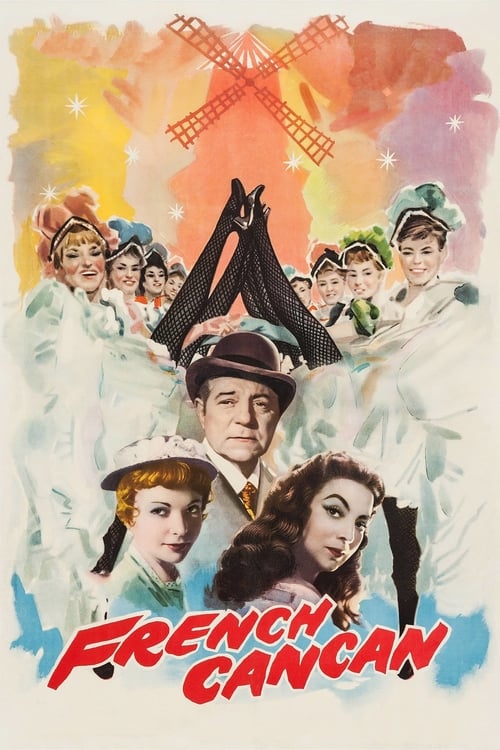
1955
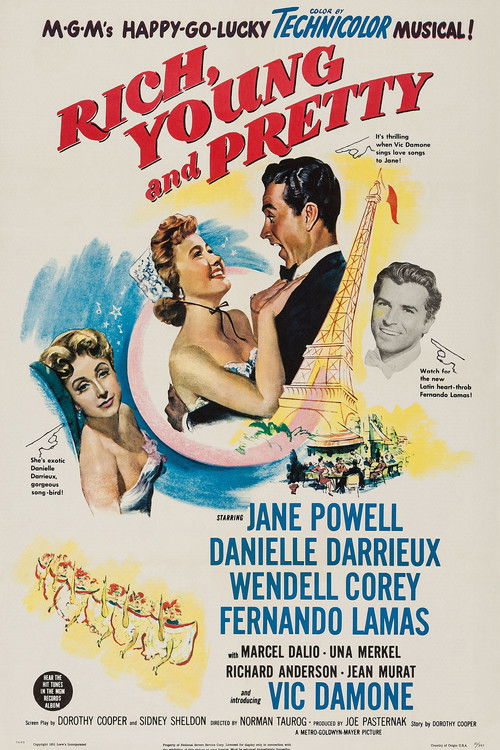
1951
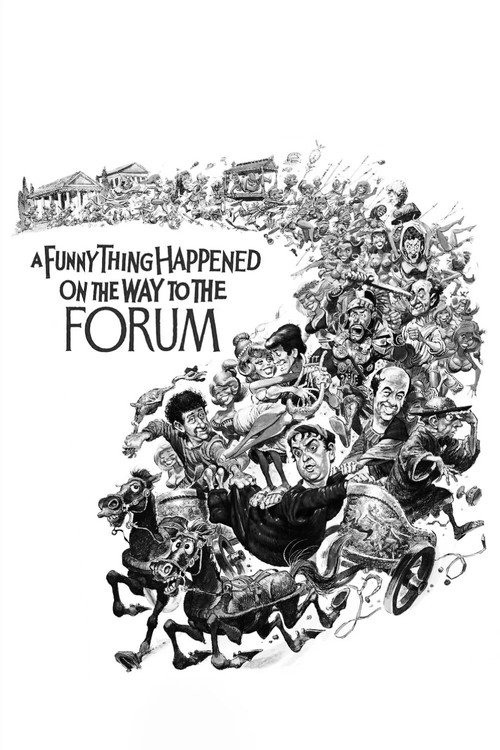
1966

1944
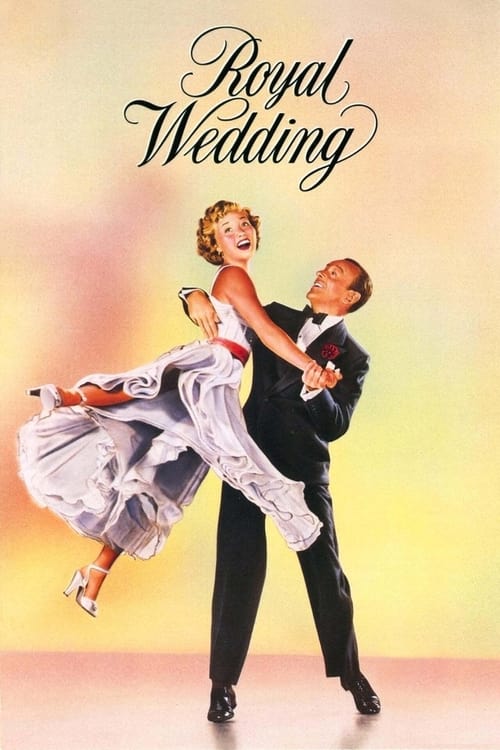
1951

1953

1963
No reviews yet. Be the first to share your thoughts on this movie!
Use the rating form above to leave a star rating and optional review.