
Can-Can
1960
No user ratings available yet
Representation score: 0.5 out of 10
Representation Score
Limited
1966
ApprovedDirector
Richard Lester
Runtime
97 minutes
Average Rating
No ratings yetNew Showbiz Analysis
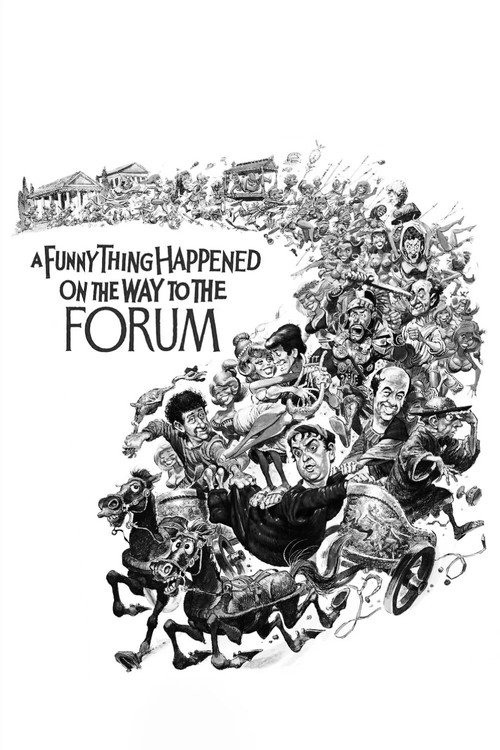
This musical comedy functions primarily as a traditional farce. While it lacks progressive representation regarding gender, race, and identity, it finds its strength in narrative subversion. The film celebrates anti-authoritarianism and the comedic dismantling of social hierarchies. However, the production remains tethered to the conservative casting and gender dynamics of its era. The tension between its irreverent approach to social structures and its lack of diverse identity representation results in a low overall score.
Category Breakdown
The film operates within a strictly straight-centered framework. The plot focuses entirely on the pursuit of a female courtesan, offering no evidence of non-binary gender identities or same-sex intimacy.
Women like Philia function primarily as objects of desire or catalysts for male-driven hijinks rather than active leaders. Men almost exclusively hold the roles that drive the story.
The cast reflects standard 1960s Hollywood practices. It relies on conventional Mediterranean archetypes without intentional efforts to disrupt ethnic homogeneity or provide diverse representation.
The film challenges social order by framing deception and the dismantling of master-slave hierarchies as comedic triumphs. It prioritizes situational ethics over rigid Roman law.
There are no prominent or meaningful depictions of visible or invisible disabilities that drive the narrative or provide character depth.
Present on Screen
Limited or Absent
Official Synopsis
A wily slave must unite a virgin courtesan and his young smitten master to earn his freedom.
1960
1951
1971
1969
1953

1953
1978
1957
No reviews yet. Be the first to share your thoughts on this movie!
Use the rating form above to leave a star rating and optional review.