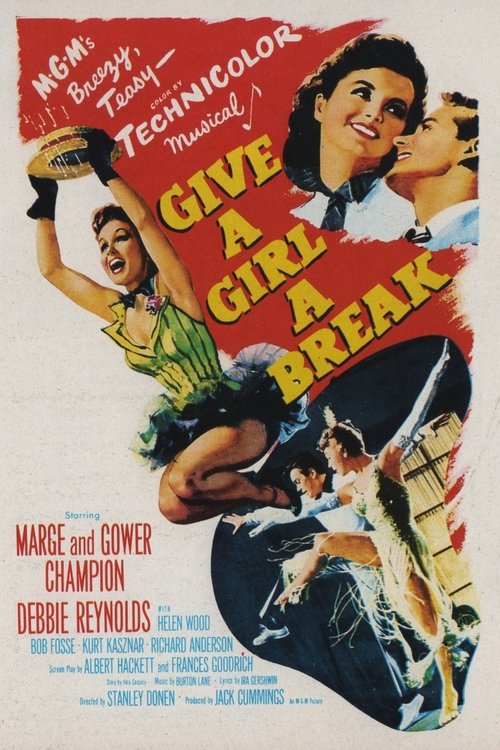
Give a Girl a Break
1953
No user ratings available yet
Representation score: 2.1 out of 10
Representation Score
Minimal
1951
NRDirector
Stanley Donen
Runtime
93 minutes
Average Rating
No ratings yetNew Showbiz Analysis
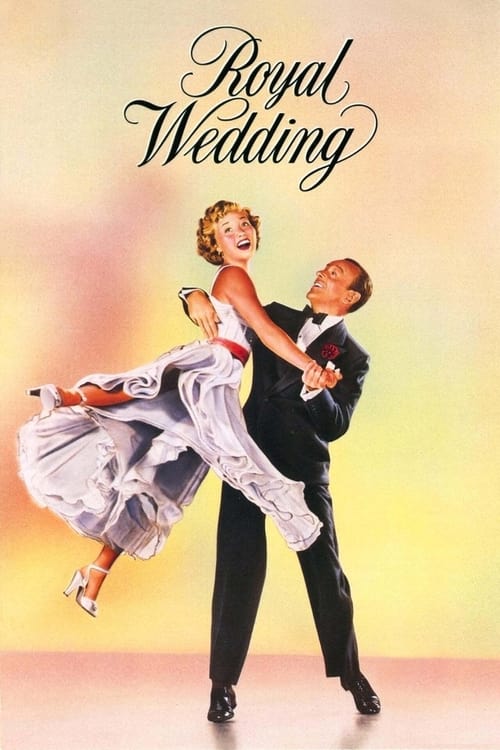
Royal Wedding is a classic example of mid-century entertainment that emphasizes reinforcing established social hierarchies. The story focuses on maintaining class stability and glorifying institutional authority rather than challenging traditional norms. The film serves as a stabilizing cultural text. By honoring the monarchy and following conventional demographic norms, it avoids the complexity of multi-layered issues found in more innovative works. Ultimately, the production reflects the demographic and social constraints of 1950s studio filmmaking, presenting a predominantly white, heterosexual perspective of both professional and royal life.
Category Breakdown
The film follows traditional heterosexual relationship structures. There are no characters with non-binary or non-cisgender identities.
Jane Wyman's character has professional independence as a dancer, but her story revolves around romance. Masculinity is shown through reliable, capable leadership.
The cast is very uniform, reflecting the demographics typical of 1950s studio films. The story lacks diverse racial representation.
The film honors the British monarchy, upholding traditional power structures. It celebrates the established social order.
There are no characters with visible or invisible disabilities. All characters are presented as able-bodied performers.
Present on Screen
Limited or Absent
Official Synopsis
A brother and sister dance act encounter challenges and romance when booked in London during the Royal Wedding.
1953
1937
1955
1954

1947

1966
1951
1948
No reviews yet. Be the first to share your thoughts on this movie!
Use the rating form above to leave a star rating and optional review.