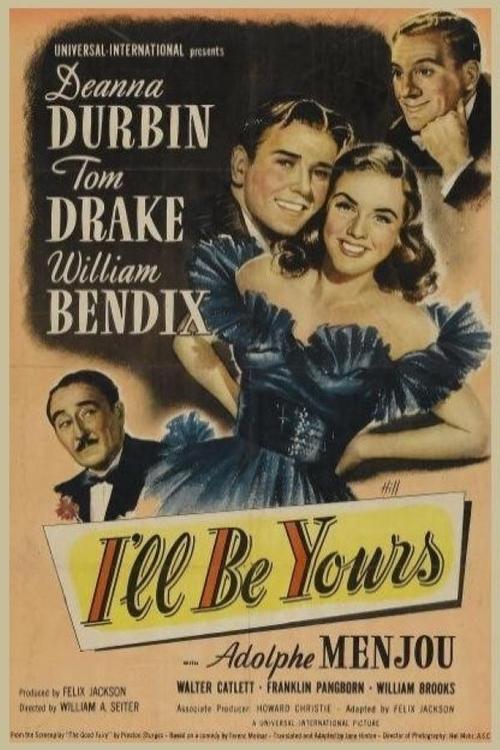
I'll Be Yours
1947
No user ratings available yet
Representation score: 1.4 out of 10
Representation Score
Minimal
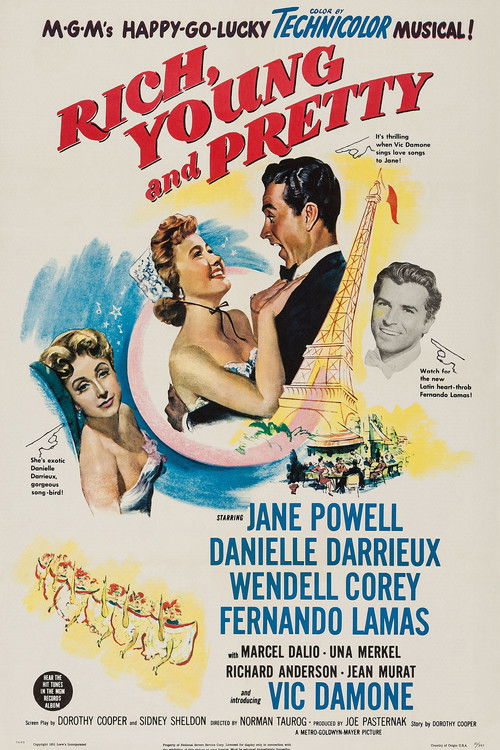
1951
NRDirector
Norman Taurog
Runtime
95 minutes
Average Rating
No ratings yetNew Showbiz Analysis
Rich, Young and Pretty is a quintessential mid-century romantic comedy that prioritizes established Hollywood clichés. The plot follows a standard fish-out-of-water trajectory as a rancher's daughter moves from a rural setting to the cosmopolitan atmosphere of Paris. While the film provides a central female perspective, it does so through a lens of traditionalism. The character's motivations—seeking romance and family reconnection—align with the era's conventional social hierarchies rather than challenging them. Ultimately, the film functions as a genre piece that reinforces the cultural status quo of the early 1950s. It lacks significant representation of diverse identities, focusing instead on a narrow, conventional romantic ideal.
Category Breakdown
The film adheres to the traditional romantic structures of the 1950s, focusing on heterosexual relationships and lacking any evidence of queer subtext or non-straight identities.
A female protagonist drives the story, providing a baseline of ability to act. However, her journey towards finding love and reconnecting with her mother follows conventional feminine character arcs of the era.
The production likely reflects the homogeneous demographic standards of mid-century Hollywood. There is no indication of significant ethnic blending or diverse casting in the narrative.
The story operates within a traditional Western framework centered on family and romance. It reinforces stable social roles rather than questioning Western institutions or cultural norms.
The narrative contains no mention of characters with visible or invisible disabilities.
Present on Screen
Limited or Absent
Official Synopsis
A rancher's daughter visits Paris to meet her mother and find love.
1947
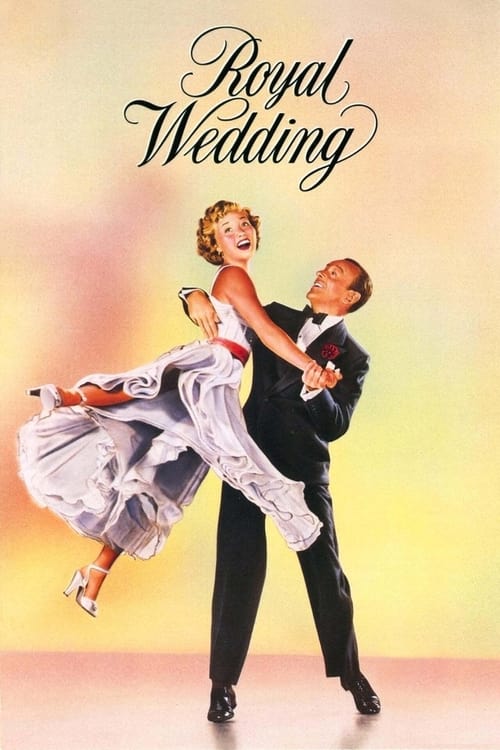
1951
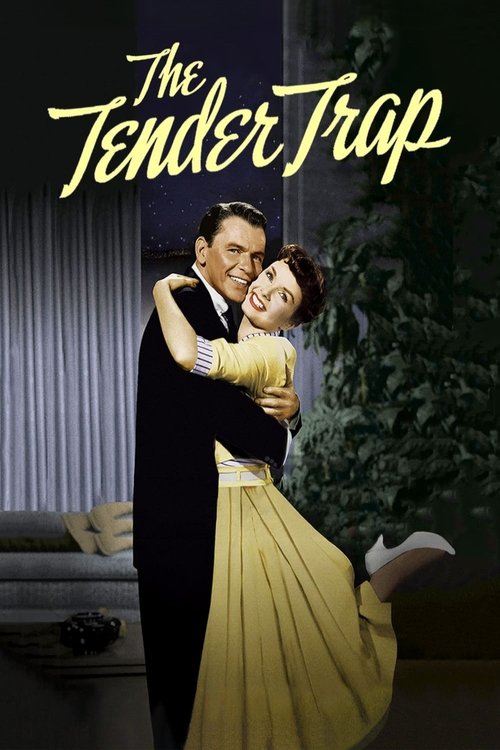
1955
1957

1944

1953
1946
1955
No reviews yet. Be the first to share your thoughts on this movie!
Use the rating form above to leave a star rating and optional review.