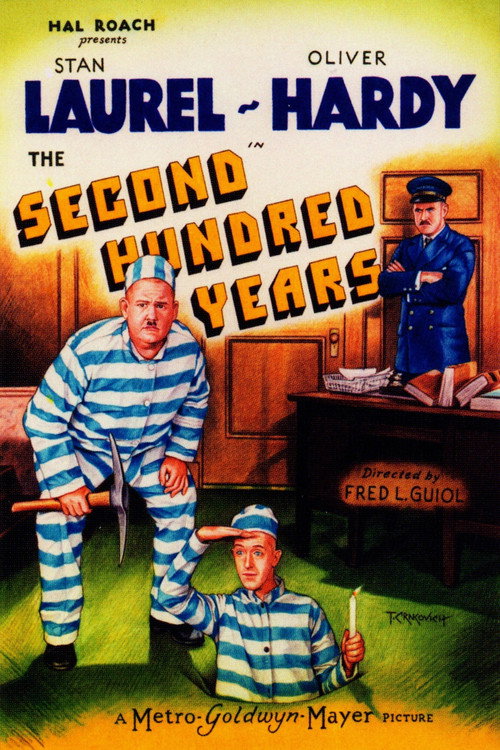
The Second 100 Years
1927
No user ratings available yet
Representation score: 3.1 out of 10
Representation Score
Minimal
1927
NRDirector
Fred Guiol
Runtime
19 minutes
Average Rating
No ratings yetNew Showbiz Analysis
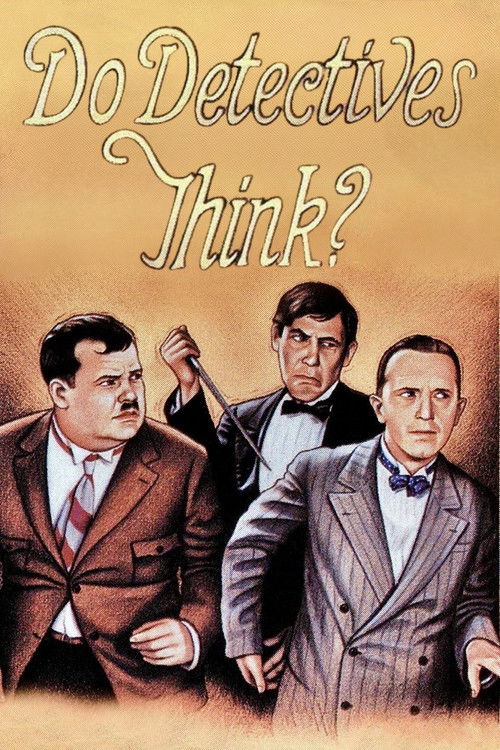
Do Detectives Think? is a product of its historical era, functioning as a standard silent slapstick comedy. The narrative prioritizes situational humor and archetypal characters over any meaningful social commentary. The film relies on a classic comedy of errors, focusing on the incompetence of detectives and the vengeance of a convict. This structure emphasizes individual character flaws rather than challenging social norms. Ultimately, the work presents a traditional view of social roles and institutional structures, lacking the diverse identities and systemic critiques found in modern cinema.
Category Breakdown
The film does not include any characters with non-straight or non-cisgender identities, reflecting the societal norms of the 1920s.
The story focuses on male-dominated roles such as the convict, judge, and detectives, reinforcing traditional male-centric authority structures.
The production likely mirrors the homogeneous demographics of the time, showing no intentional ethnic diversity.
The plot centers around the judicial system and law enforcement, with conflicts remaining personal rather than critiquing Western institutions.
There is no mention of characters with physical disabilities or neurodivergent traits.
Present on Screen
Limited or Absent
Official Synopsis
An escaped convict is out to kill the judge who sentenced him. Two inept detectives are hired to guard the judge.
1927
1924
1937
1934
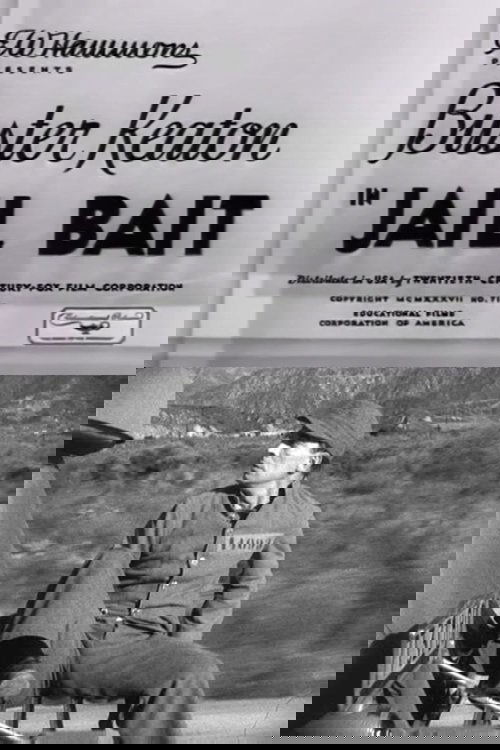
1937
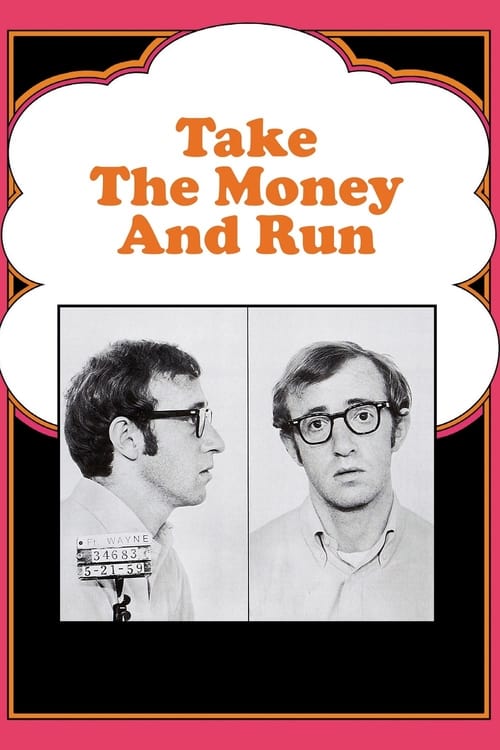
1969
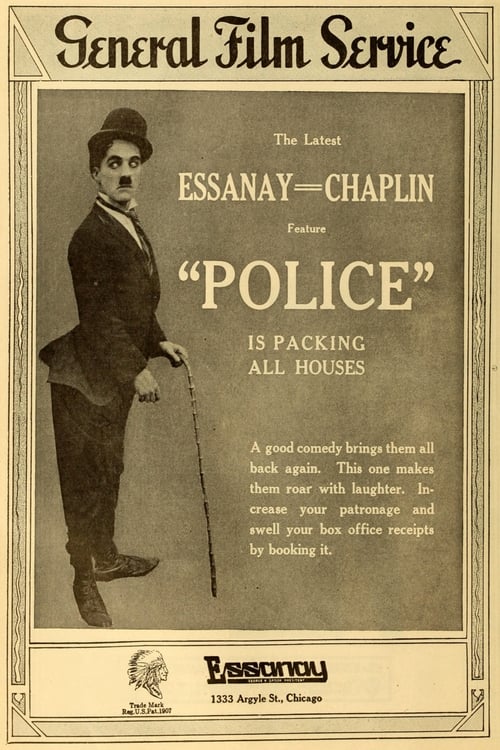
1916
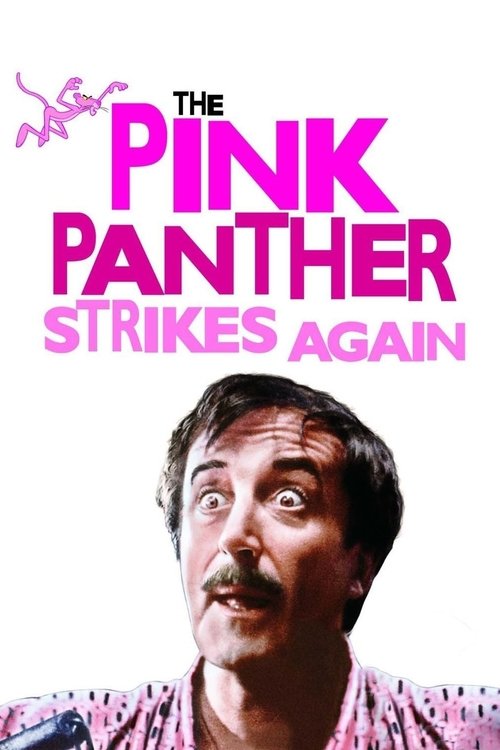
1976
No reviews yet. Be the first to share your thoughts on this movie!
Use the rating form above to leave a star rating and optional review.