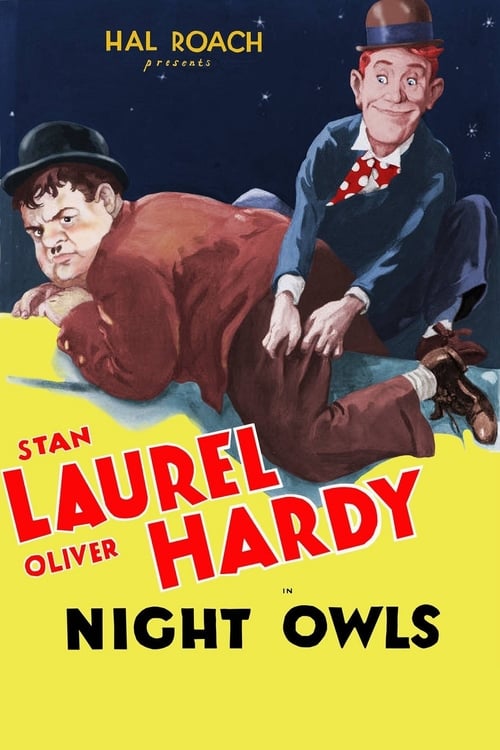
Night Owls
1930
No user ratings available yet
Diversity score: 2.4 out of 10
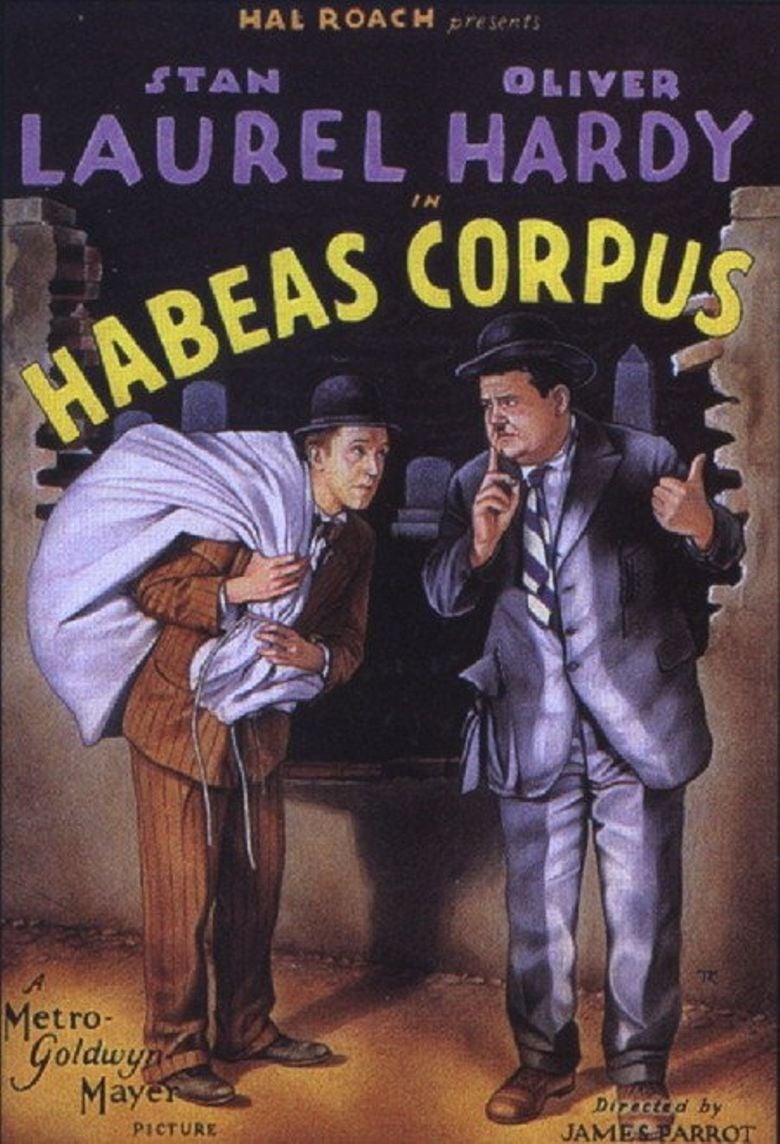
1928
NRDirector
James Parrott
Runtime
20 minutes
Average Rating
No ratings yetSynopsis
Loony scientist hires Laurel and Hardy to raid the cemetery to keep him supplied with dead bodies for his experiments.
Overall Score
Minimal
Category Breakdown
LGBTQ+ Representation
The film contains no evidence of LGBTQ+ characters or non-cisnormative identities. It relies entirely on standard 1920s comedic tropes.
Gender Representation
The narrative is overwhelmingly male-centric, focusing on Laurel, Hardy, and a scientist. It lacks female agency or complex gender dynamics.
Racial & Ethnic Diversity
The cast appears homogeneous, reflecting the typical studio casting of the early 20th century. No diverse identities drive the plot.
Religious & Cultural Diversity
Humor stems from situational absurdity rather than institutional critique. The mad scientist trope provides some disruption but lacks systemic depth.
Disability Representation
The scientist's eccentricities serve as comedic devices rather than meaningful portrayals of lived experience. No physical or sensory disabilities are represented.
Strengths
Areas for Improvement
AI Analysis
Habeas Corpus is a quintessential product of the silent slapstick era, prioritizing physical chaos over social complexity. The film's structure is built around traditional comedic archetypes that do not challenge or explore diverse identities. While the 'mad scientist' provides a central character, this role functions as a trope for absurdity rather than a nuanced exploration of neurodivergence. The cast remains largely homogeneous, lacking the intersectional depth found in more modern narratives. Ultimately, the film operates within a narrow, male-driven framework. It lacks the intentional subversion of social hierarchies or the diverse casting necessary to move beyond its era's conventional limitations.
1930
1929
1935

1930
1914
1935
1941
1927
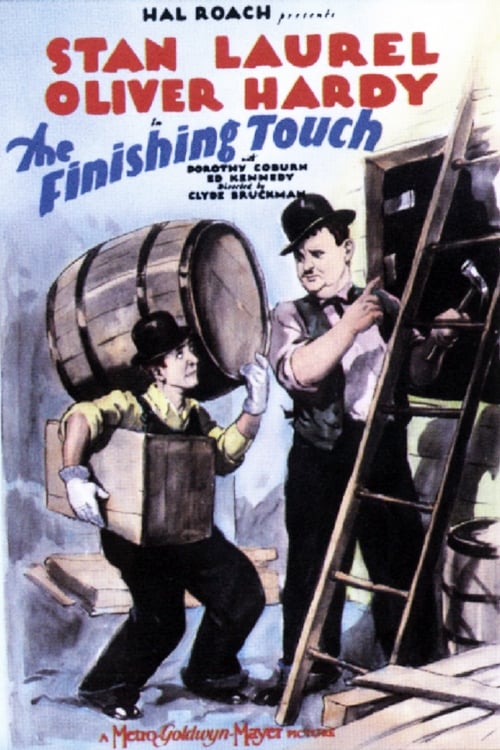
1928
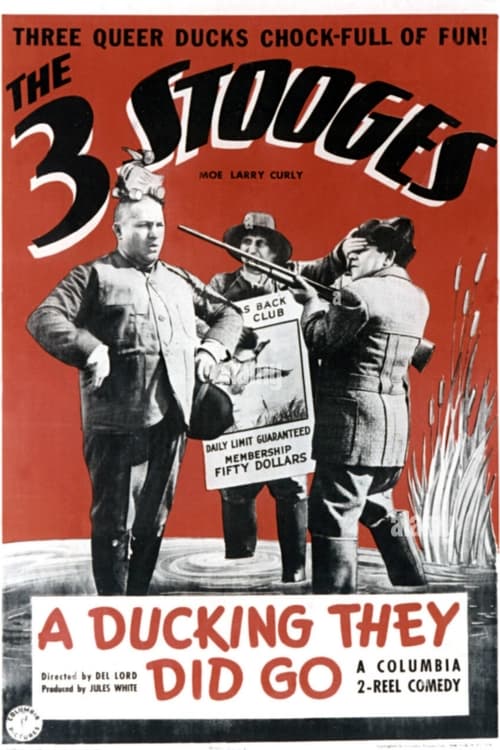
1939
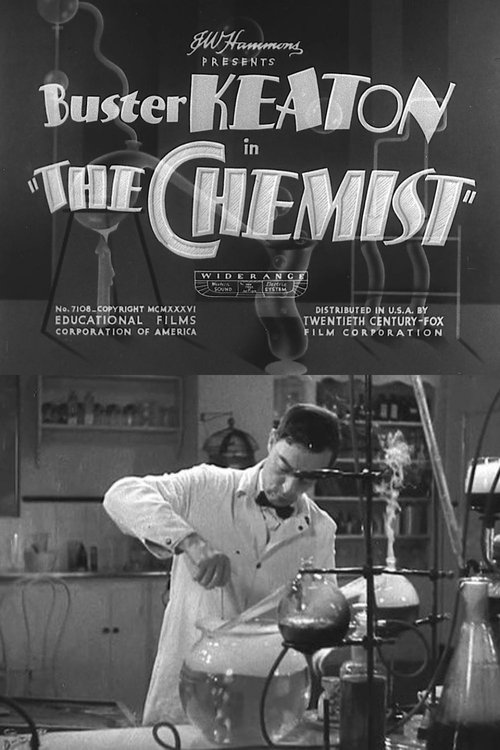
1936
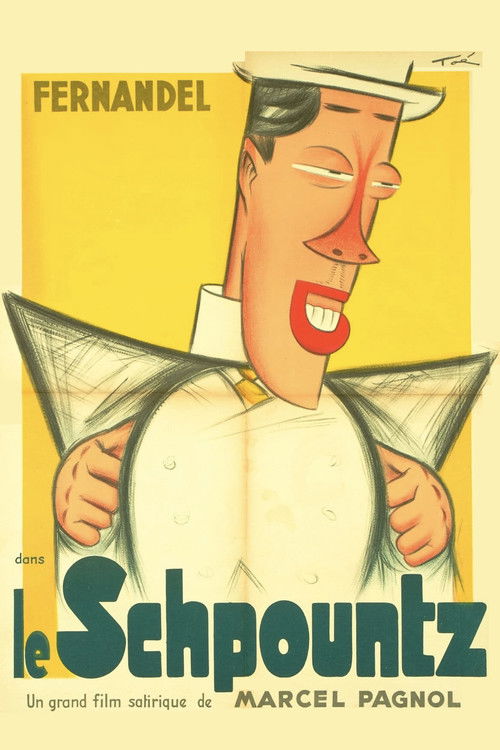
1938
No reviews yet. Be the first to share your thoughts on this movie!
Use the rating form above to leave a star rating and optional review.