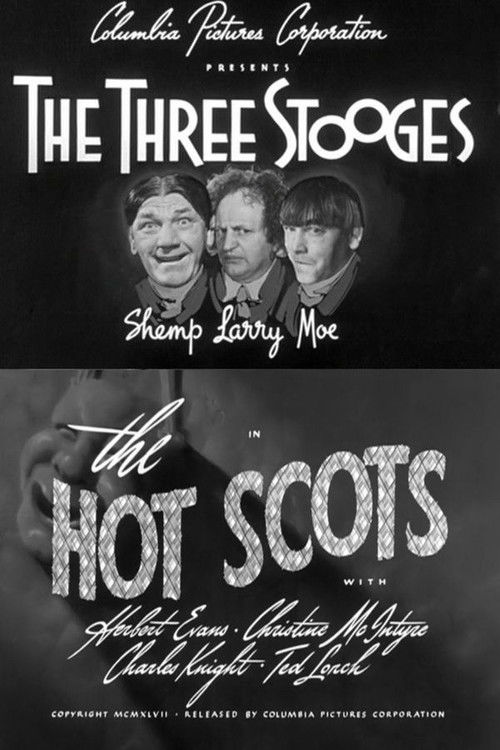
The Hot Scots
1948
No user ratings available yet
Representation score: 0.6 out of 10
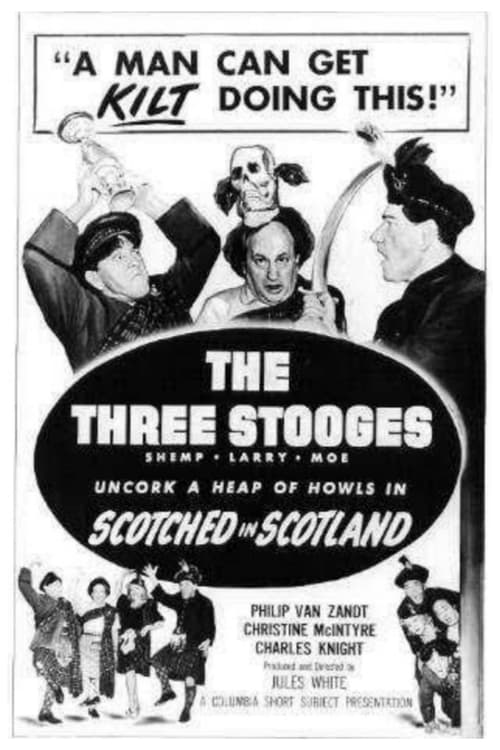
Representation Score
Minimal
1954
PassedDirector
Jules White
Runtime
15 minutes
Average Rating
No ratings yetNew Showbiz Analysis
Scotched in Scotland is a product of its era, emphasizing high-energy slapstick humor over narrative depth or exploration of identity. The film relies on established comedic archetypes and a traditional 'good versus evil' structure that reflects 1950s mainstream cinema. The production adheres to the social and cultural norms of the time, resulting in a homogeneous cast and a lack of diverse representation. The focus remains on situational absurdity and the disruption of a criminal hierarchy. Ultimately, the film operates as a conventional comedy that upholds existing social orders without offering diverse perspectives.
Category Breakdown
The film does not include any characters with non-straight or non-cisgender identities. The plot revolves around a typical detective storyline set in the 1950s.
The story focuses on male characters as both heroes and villains. Women are not shown in positions of intellectual or physical authority.
The setting and cast suggest a uniform environment typical of mid-century productions. There is no diversity in casting or disruption of Anglo-centric norms.
The story follows a conventional morality play within a Western context. It reinforces established social orders without questioning Western institutions.
There is no mention of characters with physical, sensory, or neurodevelopmental disabilities in the film.
Present on Screen
Limited or Absent
Official Synopsis
Would be detectives, the stooges get a job guarding a Scotch castle while the owner is away. The servants are crooks intent on robbing the castle of its valuables. Though they do their best to frighten the boys off, the stooges prevail and expose the crooked goings-on.
1948
1950
1953
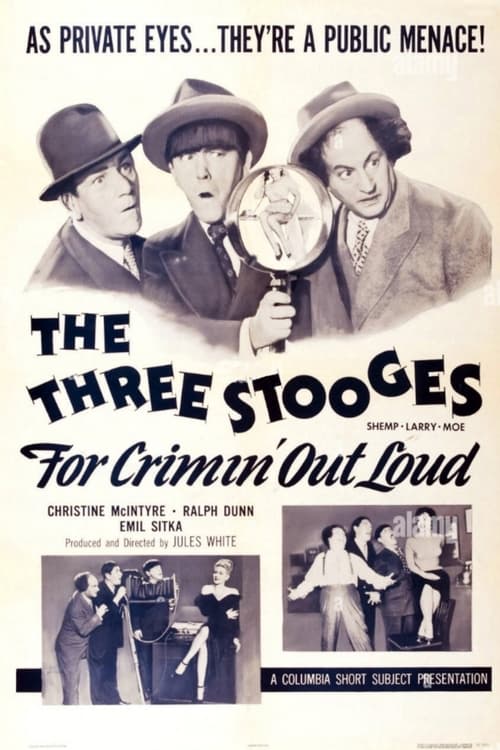
1956
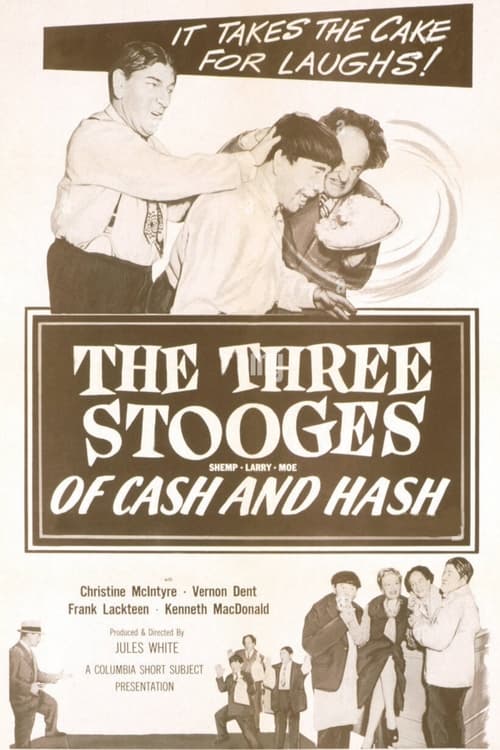
1955
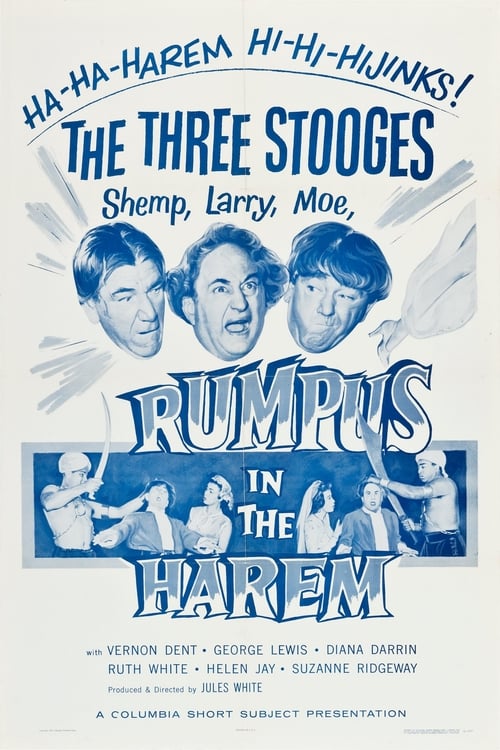
1956
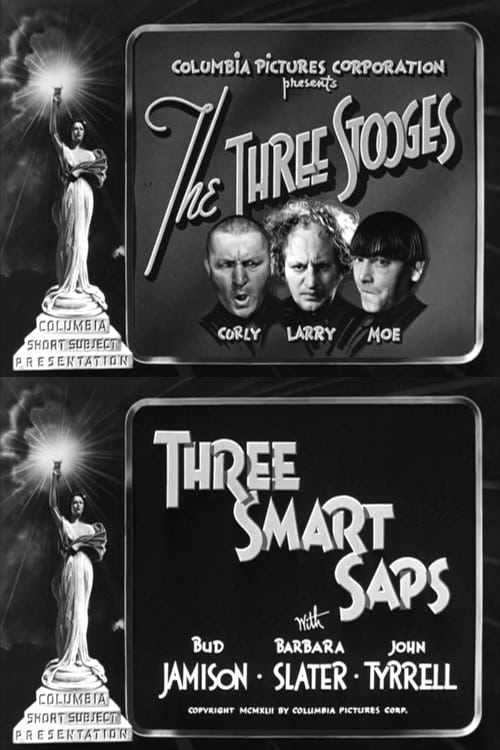
1942
1956
No reviews yet. Be the first to share your thoughts on this movie!
Use the rating form above to leave a star rating and optional review.