Pardon My Nightshirt
1956
No user ratings available yet
Diversity score: 2.7 out of 10
1940
PassedDirector
Jules White
Runtime
18 minutes
Average Rating
No ratings yetSynopsis
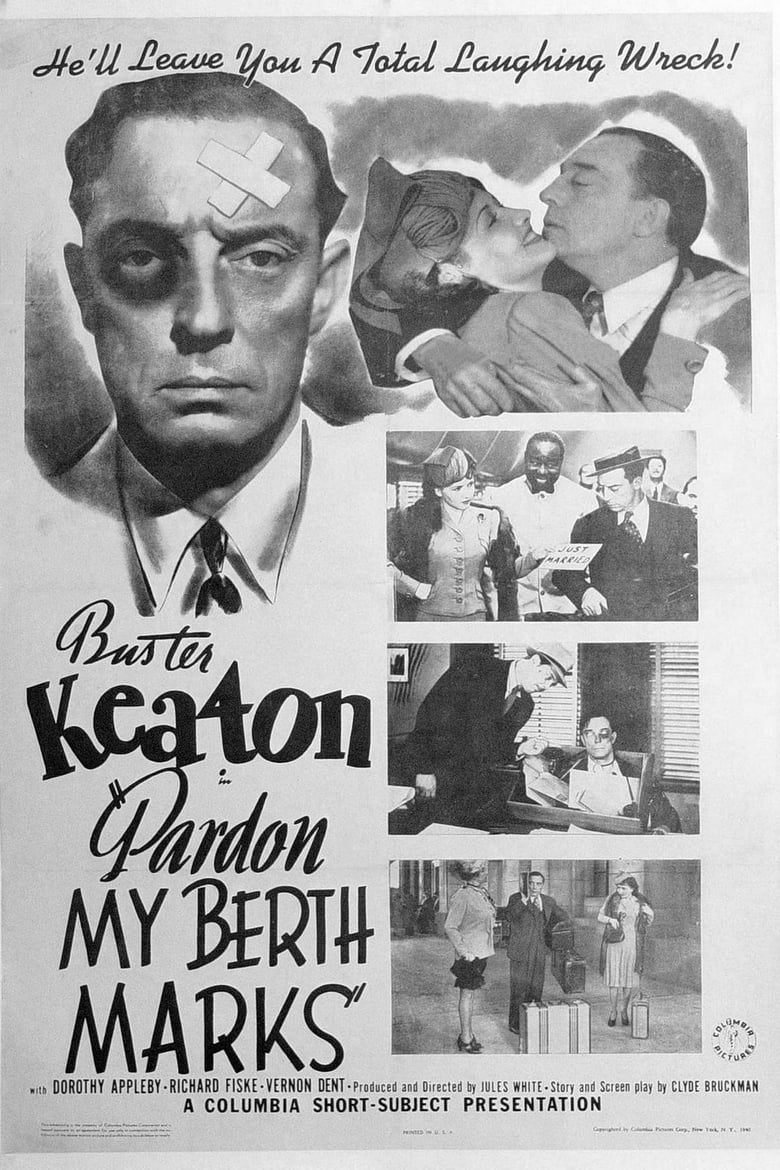
Buster, a reporter, takes a train trip and winds up innocently involved with a gangster's wife.
Overall Score
Minimal
Category Breakdown
LGBTQ+ Representation
The film lacks any presence of LGBTQ+ characters or non-cisnormative identities. It operates within a strictly traditional comedic framework that does not engage with queer themes.
Gender Representation
The narrative is heavily centered on male-driven slapstick. Female characters, such as the gangster's wife, appear to serve as secondary plot devices rather than individuals with agency.
Racial & Ethnic Diversity
The film lacks significant racial or ethnic diversity in its primary cast. It reflects the homogeneous social constraints typical of 1940s mainstream American comedy.
Religious & Cultural Diversity
The film touches on socioeconomic class through service roles like porters. However, it uses these roles for slapstick rather than providing a critique of systemic structures.
Disability Representation
There is no evidence of characters with visible or invisible disabilities. The film does not engage with neurodivergence or physical disability within its narrative.
Strengths
Areas for Improvement
AI Analysis
Pardon My Berth Marks is a quintessential slapstick comedy that prioritizes physical humor and situational absurdity over social or intersectional representation. The film functions as a period-specific entertainment piece, focusing on character-driven chaos within a conventional social framework. The narrative architecture reinforces rather than disrupts the social and gender hierarchies of its era. It relies on traditional comedic tropes that lack the intentionality required to engage with progressive values or diverse identities. Ultimately, the film remains a product of its time, offering a homogeneous view of society that avoids any meaningful engagement with marginalized groups or systemic critiques.
1956
1950
1945
1940

1950
1941
1943
1948
1949
1945
1951
1940
No reviews yet. Be the first to share your thoughts on this movie!
Use the rating form above to leave a star rating and optional review.