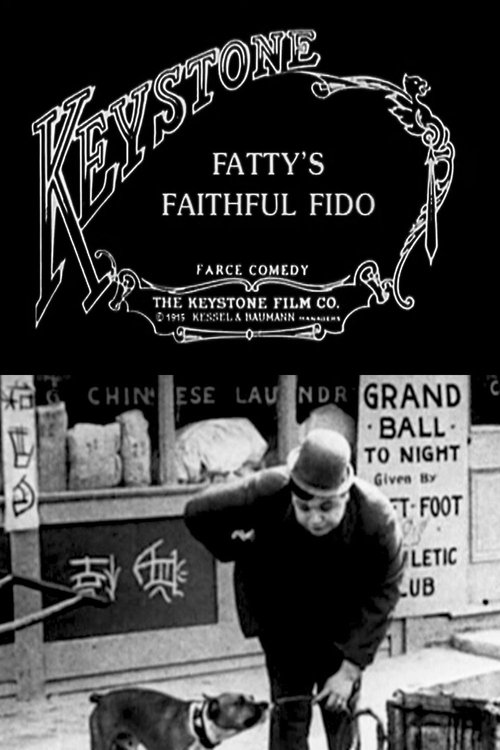
Fatty’s Faithful Fido
1915
No user ratings available yet
Representation score: 1.4 out of 10
Representation Score
Minimal
1915
NRDirector
Roscoe Arbuckle
Runtime
27 minutes
Average Rating
No ratings yetNew Showbiz Analysis
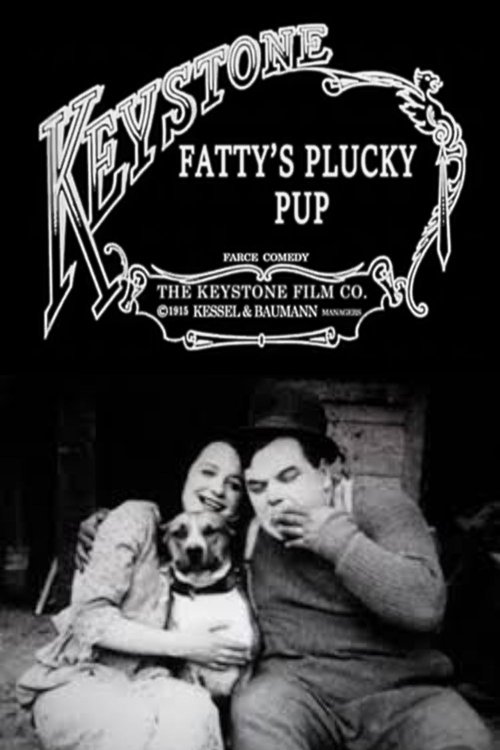
Fatty’s Plucky Pup is a quintessential product of the 1915 silent era, prioritizing kinetic slapstick over social complexity. The narrative relies heavily on established clichés, such as the passive female victim and the heroic male protagonist, which reinforce the period's conventional gender hierarchies. Culturally, the film adheres to a standard Western moral dichotomy. By using the Keystone Cops and a clear hero-versus-villain structure, it reinforces traditional social orders rather than challenging them. The lack of diverse casting and cultural depth makes it a representative example of early cinematic homogeneity. Ultimately, the film functions as a standard comedic short. It lacks any intentional effort to subvert the social or demographic norms of the early 20th century.
Category Breakdown
The film focuses on a traditional heterosexual romance without any indication of LGBTQ themes or non-cisgender identities.
Female characters are portrayed as passive victims needing rescue, reinforcing the 'damsel in distress' cliché. The narrative emphasizes male control and ability to act in the rescue mission.
The casting follows the homogeneous patterns typical of 1915 slapstick comedies, lacking a diverse cast or any disruption of the era-specific demographic norms.
The story operates within a standard Western moral framework, emphasizing traditional notions of justice and protecting the domestic unit. It reinforces these values without challenging them.
There is no specific information regarding the portrayal of neurodivergence or physical disabilities. The film's physical comedy style does not provide clear data on this.
Present on Screen
Limited or Absent
Official Synopsis
Four bad men have kidnapped Fatty's girlfriend and plan to kill her. Fatty's dog knows where she is, but Fatty doesn't and he was crying. However the dog came back to get Fatty, and they and the Keystone Cops went to rescue her.
1915
1915
1939
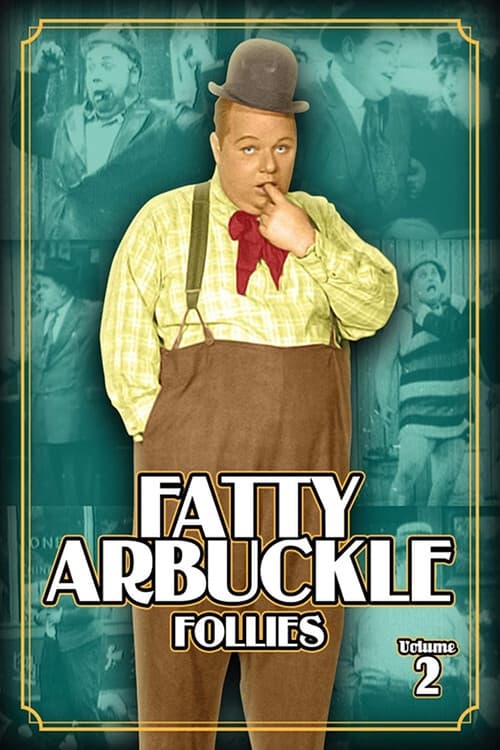
1915
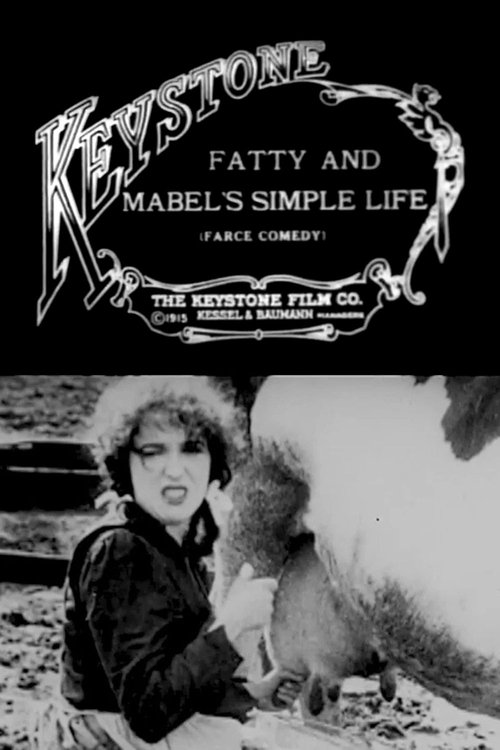
1915
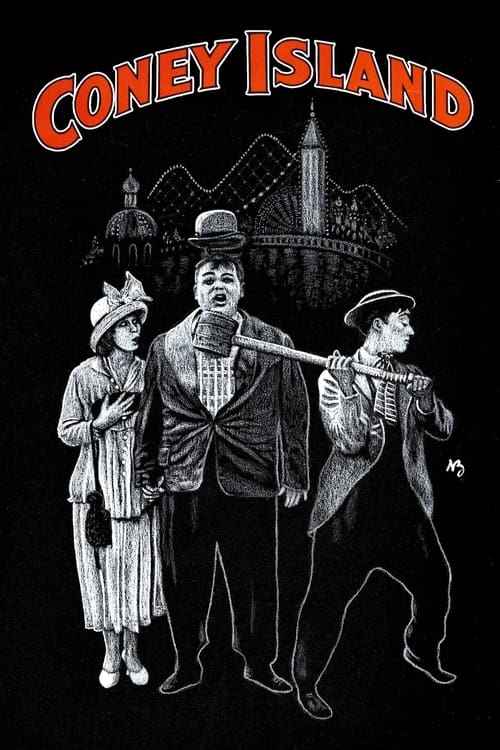
1917
1908
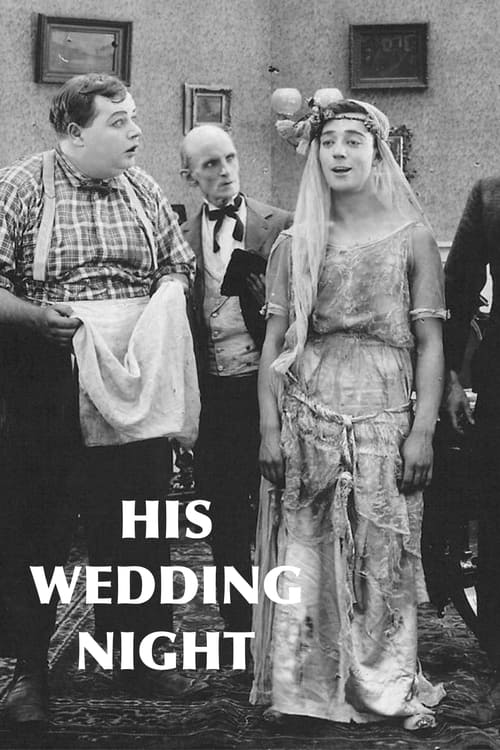
1917
No reviews yet. Be the first to share your thoughts on this movie!
Use the rating form above to leave a star rating and optional review.