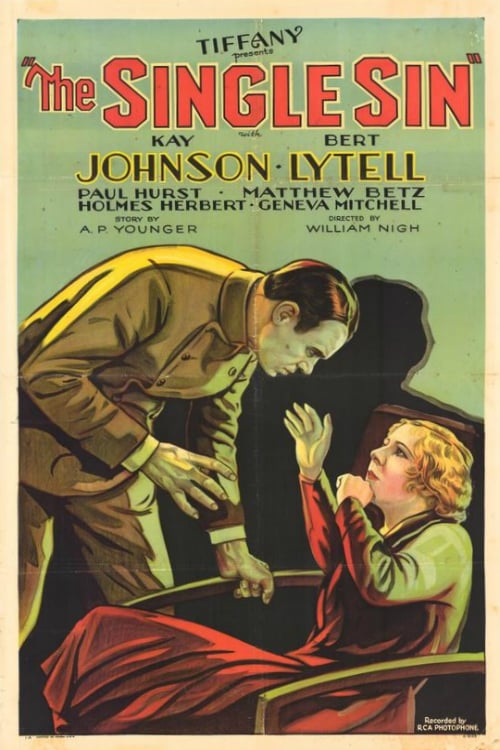
The Single Sin
1931
No user ratings available yet
Diversity score: 2.6 out of 10
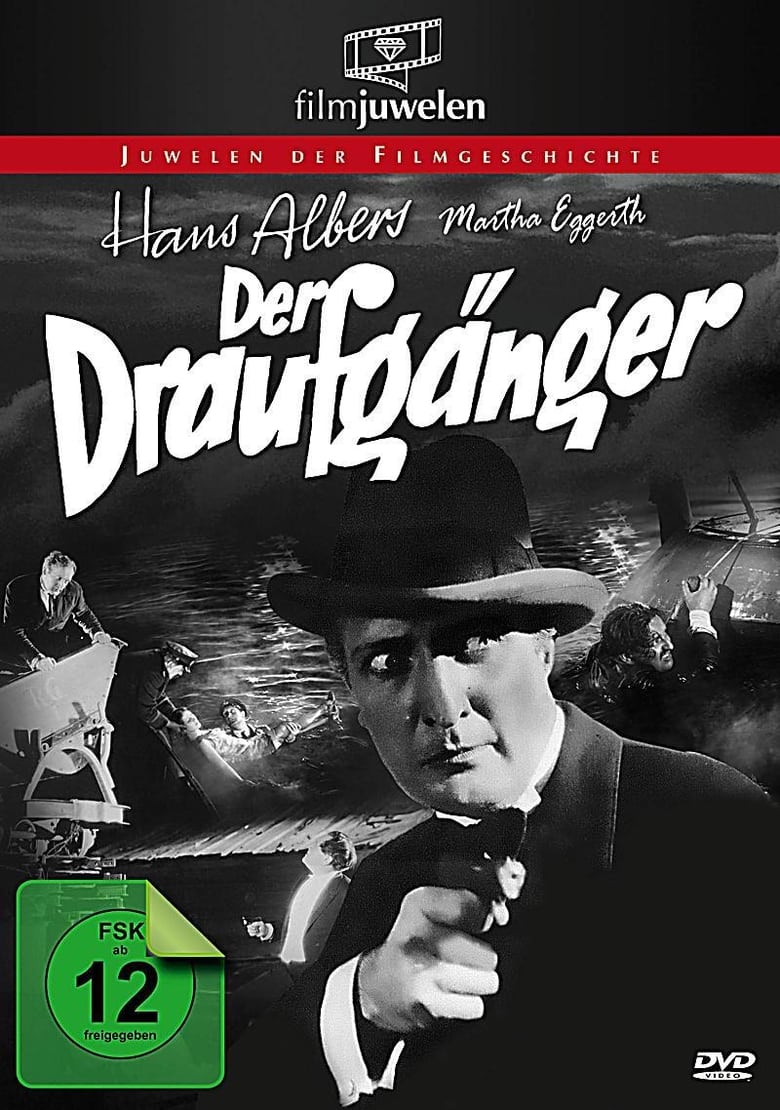
1931
Director
Richard Eichberg
Average Rating
No ratings yetSynopsis
Harbour policeman Hans and his companion rescue a young woman from water during their night watch, to find out she is connected with a jewel robbery in which a gangster now owner of an hippodrome, an out jailed one and his mistress now mixed up with an American millionaire weave some obscure plans.
Overall Score
Limited
Category Breakdown
LGBTQ+ Representation
The film lacks any evidence of non-heteronormative identities or same-sex intimacy. Character dynamics, such as the gangster and his mistress, follow conventional romantic tropes of the era.
Gender Representation
Male characters like the policeman and gangster drive the primary agency. While a young woman is central to the plot, she is framed through a lens of vulnerability as a person needing rescue.
Racial & Ethnic Diversity
The narrative focuses on Western European and American archetypes. There is no indication of diverse ethnic identities, reflecting the homogeneous casting norms typical of 1930s German cinema.
Religious & Cultural Diversity
The story follows a standard law-and-order framework. While it explores underworld dynamics, it adheres to traditional crime-and-punishment trajectories rather than offering a critique of social institutions.
Disability Representation
There is no information available regarding the portrayal of physical or neurodivergent disabilities within the film.
Strengths
Areas for Improvement
AI Analysis
The Daredevil functions as a traditional crime procedural that relies heavily on established genre archetypes. The plot centers on a harbor policeman navigating a web of jewel robberies and organized crime, a structure that prioritizes standard conflict models over social subversion. Representation is largely limited to the dominant social hierarchies of the early 1930s. The film emphasizes male agency and conventional romantic pairings, offering little room for intersectional complexity or the disruption of traditional roles. Ultimately, the work reflects the era's cinematic standards, focusing on a predictable struggle between law enforcement and the criminal underworld without expanding its cultural or social scope.
1931
1934
1934
1924
1936
1937
1931
1927
1942
1958

1930
1916
No reviews yet. Be the first to share your thoughts on this movie!
Use the rating form above to leave a star rating and optional review.