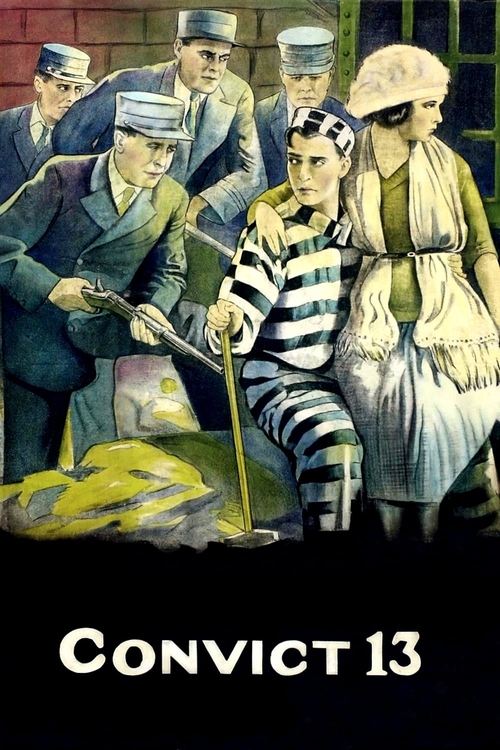
Convict 13
1920
No user ratings available yet
Representation score: 0.5 out of 10
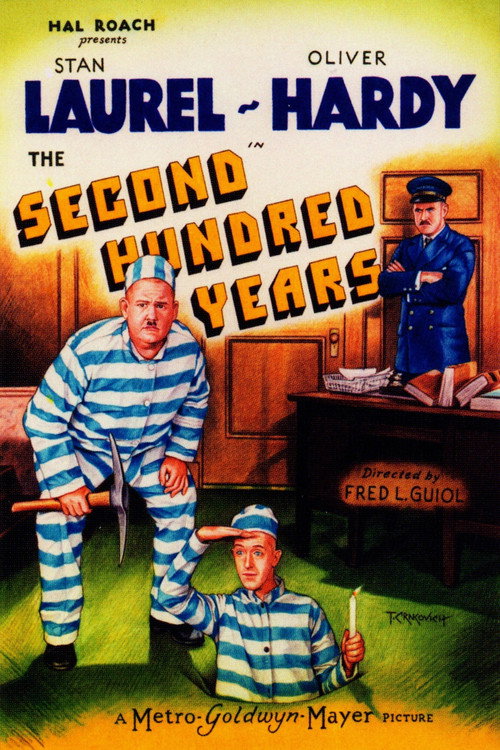
Representation Score
Limited
1927
NRDirector
Fred Guiol
Runtime
23 minutes
Average Rating
No ratings yetNew Showbiz Analysis
The film adheres to the traditional constraints of 1927 silent comedy, prioritizing physical slapstick humor over social or identity-driven narratives. It operates within the conventional boundaries of its time, offering little to no progressive intentions. Most comedic elements are centered on the male partnership of Laurel and Hardy, reinforcing the era's focus on men's control over the story. The lack of diverse casting and the absence of LGBTQ+ or disability-focused narratives reflect the period's historical homogeneity. While the plot involves a struggle against state institutions, this is framed through humor rather than a meaningful critique of social or institutional corruption.
Category Breakdown
The film does not include any representation of non-straight or non-cisgender identities, nor does it feature any same-sex intimacy. It follows the traditional straight-centered structures typical of 1927 slapstick comedy.
The narrative focuses almost entirely on the male protagonists, Laurel and Hardy, giving them significant roles while not challenging traditional gender hierarchies or social orders.
The production reflects the high homogeneity of 1920s Hollywood casting, with no evidence of diverse casting or non-white majority representation.
The prison escape premise offers a minor disruption of authority, but this tension is used primarily for physical humor rather than a critique of systemic institutions.
No characters with visible or invisible disabilities are given significant roles. Physical vulnerabilities are used primarily as a comedic device rather than for nuanced representation.
Present on Screen
Limited or Absent
Official Synopsis
Laurel and Hardy are convicts making an escape from prison.
1920

1926
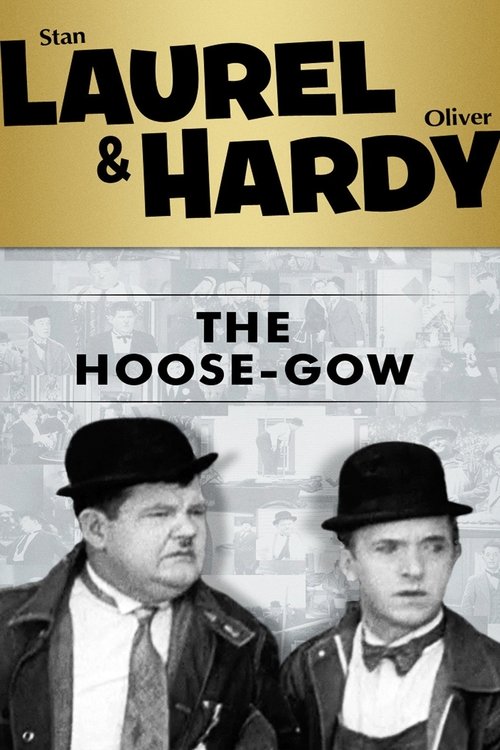
1929

1923
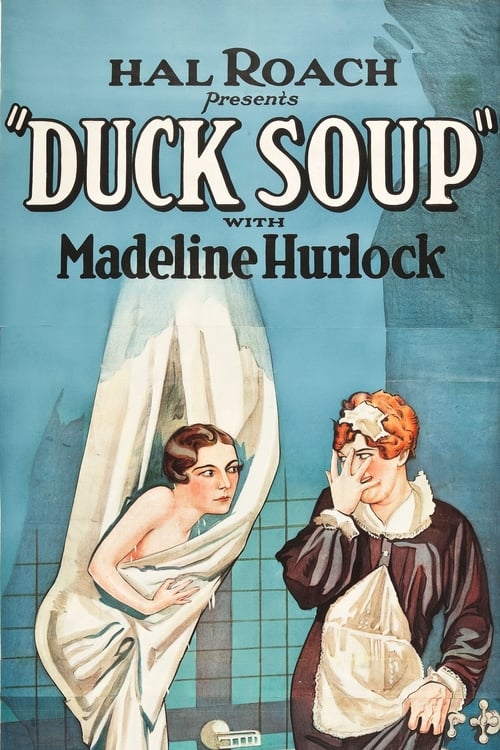
1927

1931
1927
1916
No reviews yet. Be the first to share your thoughts on this movie!
Use the rating form above to leave a star rating and optional review.