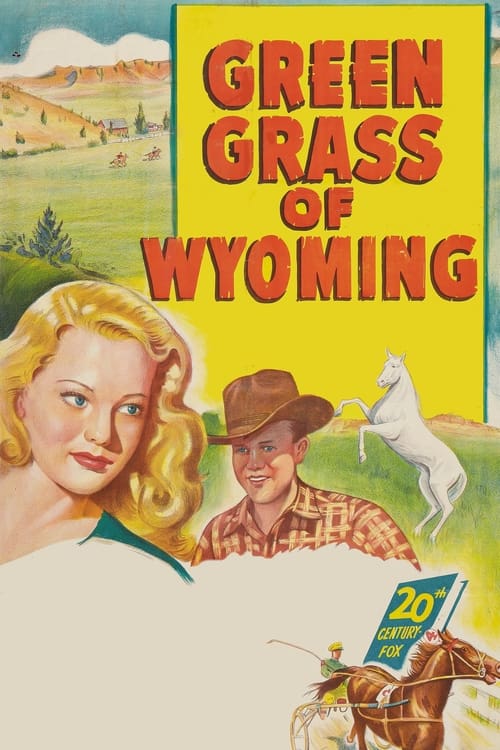
Green Grass of Wyoming
1948
No user ratings available yet
Representation score: 0.7 out of 10
Representation Score
Minimal
1947
ApprovedDirector
Lesley Selander
Runtime
81 minutes
Average Rating
No ratings yetNew Showbiz Analysis
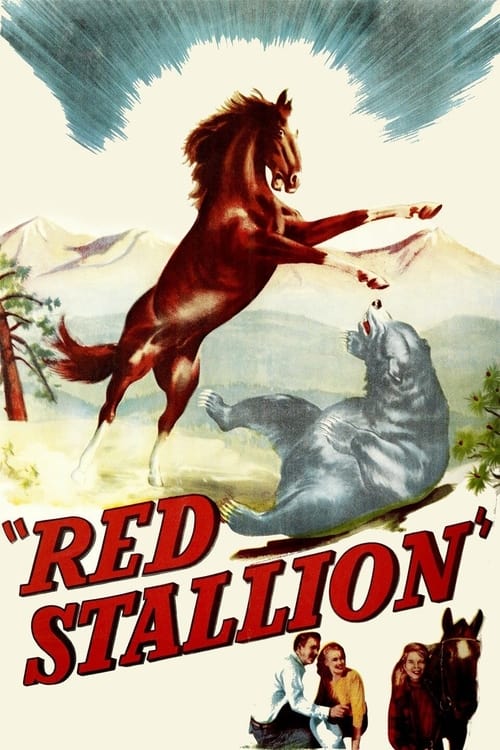
The Red Stallion is a conventional genre piece that upholds the social structures typical of post-war American cinema. It functions as a wholesome family film centered on the bond between a grandparent, a child, and a horse. While the presence of a female rancher offers a minor shift from standard masculine archetypes, the film does not seek to disrupt established cultural hierarchies. Instead, it reinforces traditional institutions and mid-century social norms. Ultimately, the film lacks complexity in its portrayal of diverse identities, focusing instead on a stable, traditional narrative structure that aligns with the era's expectations.
Category Breakdown
The film follows the strict social codes of the mid-century studio era and does not include any LGBTQ+ characters or non-straight relationships.
A female rancher provides a slight departure from the typical lone cowboy cliché, but the focus remains on domesticity and intergenerational caretaking rather than challenging traditional gender roles.
The film reflects the homogeneous casting norms of 1947, centering on a traditional Western setting that historically prioritizes Anglo-Saxon perspectives.
The story emphasizes traditional Western values like land stewardship and the sanctity of the family unit, reinforcing pastoral lifestyles and wholesome youth development.
There is no information available regarding the depiction of physical or neurodivergent disabilities in this film.
Present on Screen
Limited or Absent
Official Synopsis
Family film about an elderly rancher, her young grandson, and the horse that the child raises from a colt.
1948
1946
1937
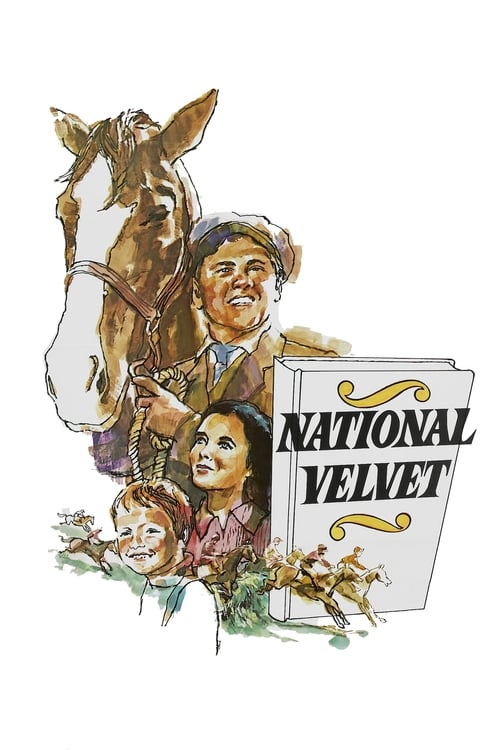
1945

1972
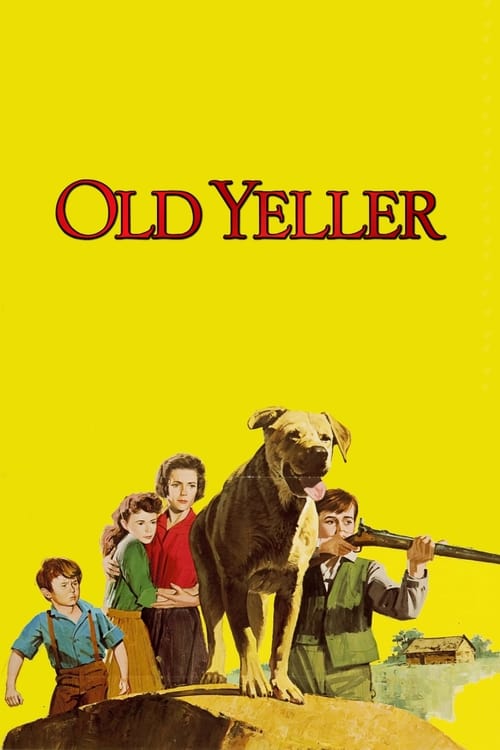
1957
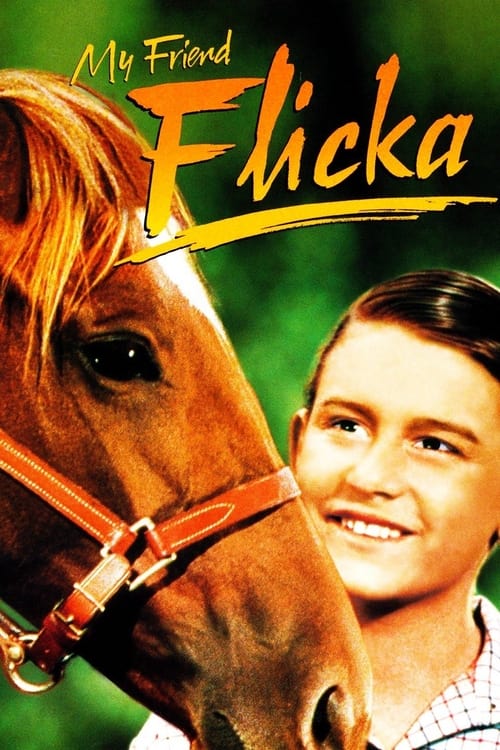
1943
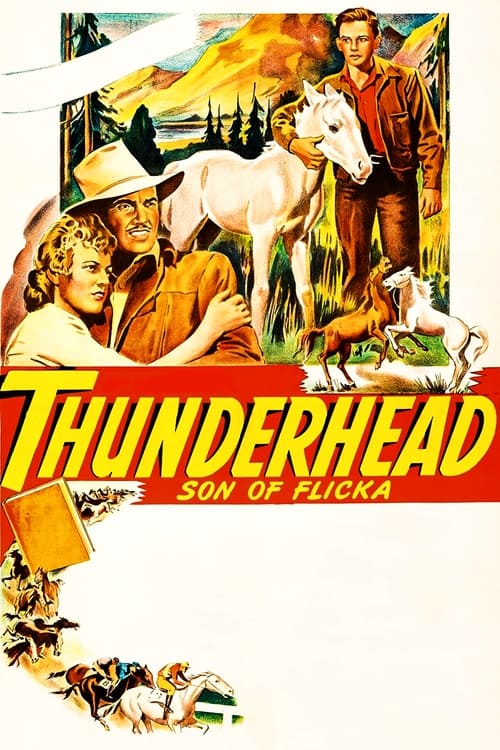
1945
No reviews yet. Be the first to share your thoughts on this movie!
Use the rating form above to leave a star rating and optional review.