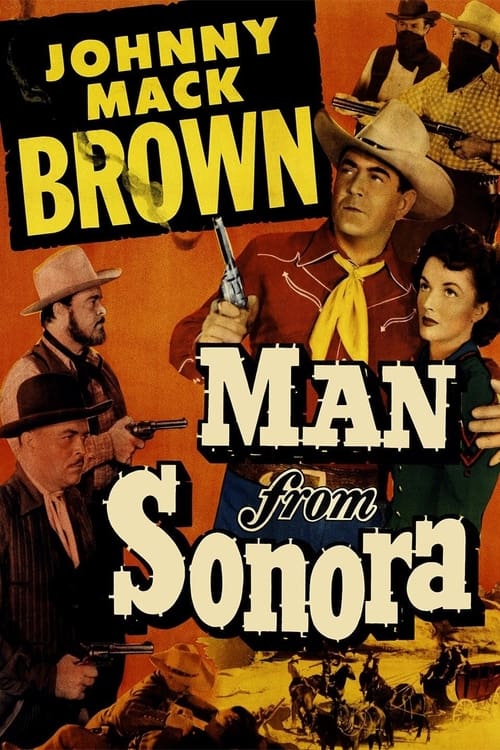
Man from Sonora
1951
No user ratings available yet
Representation score: 0.6 out of 10
Representation Score
Minimal
1941
ApprovedDirector
Edward Finney
Runtime
60 minutes
Average Rating
No ratings yetNew Showbiz Analysis
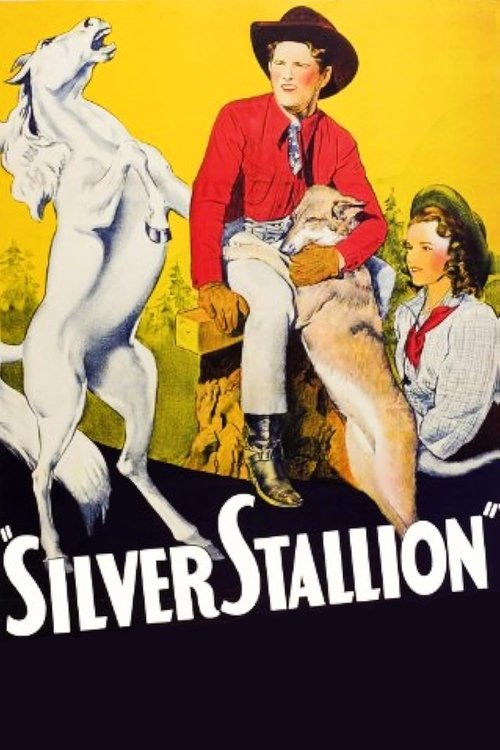
Silver Stallion is a conventional 1941 Western that adheres to the standard genre clichés of its era. The narrative is built around a central conflict of outlawry and interpersonal moral obligations, specifically between a male thief and a female character. The film lacks complexity or attempts to subvert social hierarchies. It functions as a period-specific piece that relies on established archetypes rather than progressive storytelling or diverse character depth.
Category Breakdown
The film does not include any characters with non-straight sexual orientations or same-sex relationships. The story centers on a male protagonist and a female character in a traditional heterosexual relationship.
The story follows a traditional gender dynamic where the male protagonist drives the action. Jan Walton plays a reactive role, exerting moral influence by demanding a promise of restitution.
The film reflects the era's tendency to prioritize Anglo-Saxon protagonists. There is no evidence of a diverse cast, and the narrative reinforces traditional, homogeneous Western hierarchies.
The plot uses outlaw clichés and themes of individual honor. It focuses on restorative justice regarding stolen property without offering a systemic critique of Western institutions.
There is no evidence of characters with visible or invisible disabilities. The synopsis does not suggest any representation in this category.
Present on Screen
Limited or Absent
Official Synopsis
The Kid and his pals are horse thieves wanted by the law. As he takes a horse from Jan Walton she makes him promise to bring it back.
1951

1939
1948
1954
1954
1933
1944
1930
No reviews yet. Be the first to share your thoughts on this movie!
Use the rating form above to leave a star rating and optional review.