The Untamed Breed
1948
No user ratings available yet
Diversity score: 2.1 out of 10
1966
NRDirector
Andrew V. McLaglen
Runtime
97 minutes
Average Rating
No ratings yetSynopsis
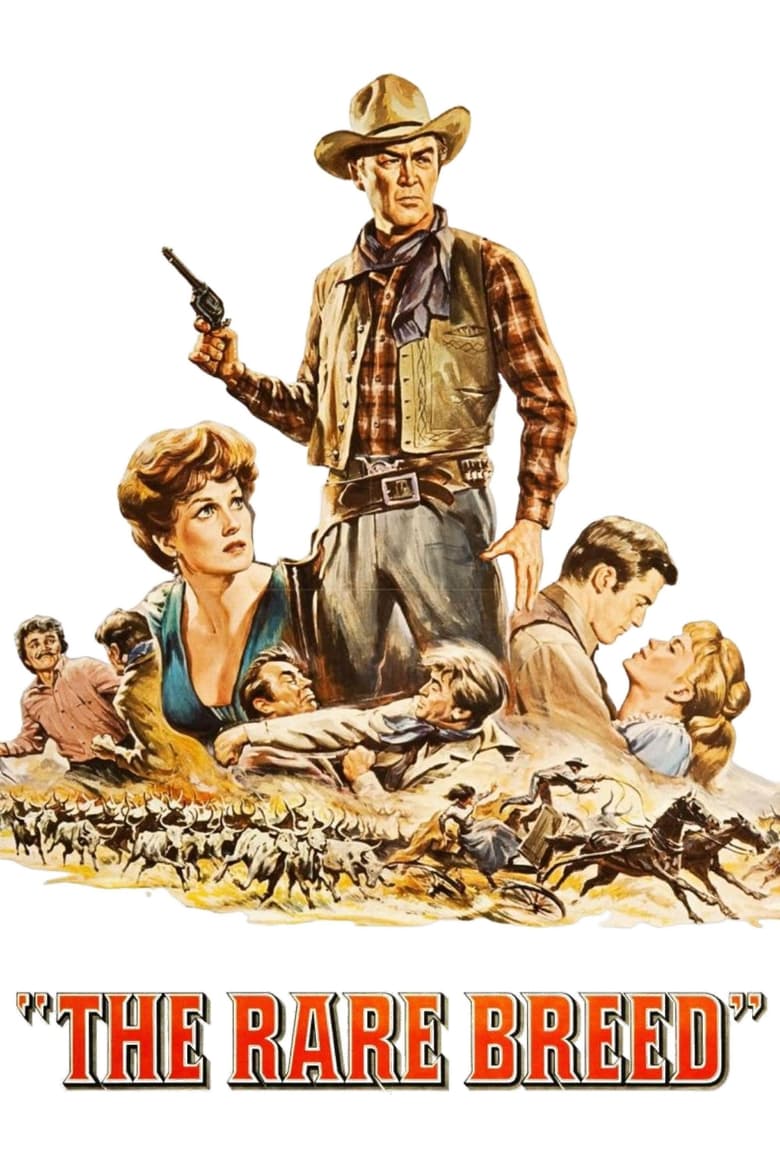
When her husband dies en route to America, Martha Price and her daughter Hilary are left to carry out his dream: the introduction of Hereford cattle into the American West. They enlist Sam "Bulldog" Burnett in their efforts to transport their lone bull, a Hereford named Vindicator, to a breeder in Texas, but the trail is fraught with danger and even Burnett doubts the survival potential of this "rare breed" of cattle.
Overall Score
Minimal
Category Breakdown
LGBTQ+ Representation
The film contains no visible depictions of LGBTQ+ identities or same-sex intimacy. The social framework remains strictly aligned with traditional gender and orientation norms.
Gender Representation
While female characters initiate the plot, the narrative relies heavily on male agency for labor and protection. Women function largely within supportive or domestic spheres typical of the era.
Racial & Ethnic Diversity
The cast is predominantly white and Anglo-Saxon, reflecting 1960s cinematic constraints. There is a lack of characters of color with significant agency or presence.
Religious & Cultural Diversity
The story celebrates traditional Western institutions like private property and ranching. It presents frontier justice and agricultural expansion as inherently positive values to defend.
Disability Representation
There are no prominent depictions of visible or invisible disabilities. No character arcs are defined by neurodivergence or physical impairment.
Strengths
Areas for Improvement
AI Analysis
The film serves as a quintessential example of mid-century Western filmmaking, adhering to established social and narrative hierarchies. It prioritizes traditional values of patriarchy, property, and Western expansion without attempting to disrupt conventional expectations. The narrative architecture reinforces a homogeneous worldview. By focusing on the protection of capital and ranching interests through a strictly Anglo-Saxon lens, the film functions as a reinforcement of standard 1960s cultural frameworks.
1948
1967
1946
1931
1958
1955
1968
1963
1962
1946
1944
1955
No reviews yet. Be the first to share your thoughts on this movie!
Use the rating form above to leave a star rating and optional review.