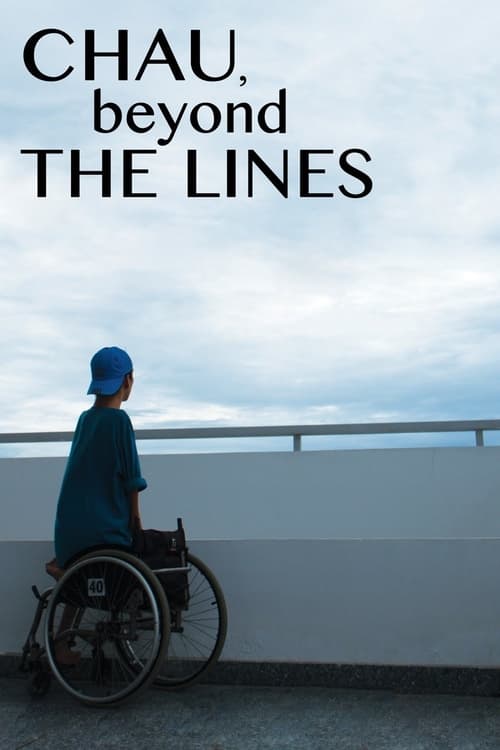
Chau, Beyond the Lines
2015
No user ratings available yet
Diversity score: 6.4 out of 10
1972
Director
Satyajit Ray
Runtime
21 minutes
Average Rating
No ratings yetSynopsis
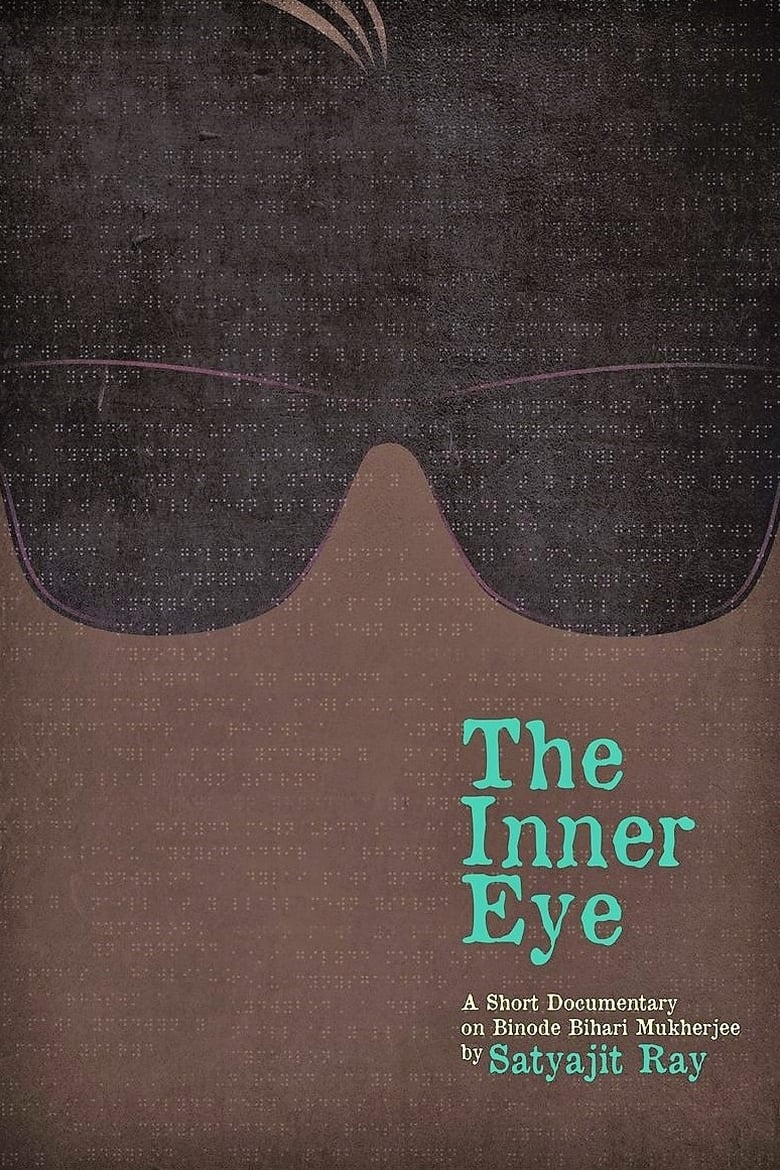
At the age of 54, Binode Bihari Mukherjee, an accomplished painter, lost his sight following an unsuccessful cataract operation. He continued to create art despite his loss of sight. The documentary explores Binode Bihari’s inner eye that guides his fingers to create art.
Overall Score
Fair
Category Breakdown
LGBTQ+ Representation
The documentary focuses exclusively on the sensory and creative experience of a single individual. There are no LGBTQ+ characters or narratives addressing non-heteronormative identities.
Gender Representation
The film centers on the agency of Binode Bihari Mukherjee. It portrays strength through intellectual and creative persistence rather than physical dominance, disrupting traditional notions of masculine utility.
Racial & Ethnic Diversity
As an Indian production, the film provides a non-Western perspective. It centers a South Asian subject with high intellectual agency, avoiding the colonial gaze often found in mid-century depictions.
Religious & Cultural Diversity
The narrative emphasizes individual perception and the triumph of the human spirit through art. It leans toward a secular, humanist philosophy rather than focusing on religious or traditional structures.
Disability Representation
This is an exceptional study of disability and agency. It avoids pity or 'inspiration porn,' focusing instead on the technical and psychological reality of how the subject masters his environment.
Strengths
Areas for Improvement
AI Analysis
Satyajit Ray’s documentary is a profound exploration of human resilience. By centering on Binode Bihari Mukherjee, the film moves beyond the tragedy of blindness to examine the technical mastery of an artist using alternative sensory channels. The work excels in its portrayal of disability, granting the subject full autonomy and dignity. It avoids superficial tropes, instead offering a nuanced look at how creativity persists despite biological loss. While the film is highly specialized in its focus on a single individual, it provides a vital non-Western perspective. Its narrow scope means it lacks breadth in gender or LGBTQ+ representation, but its depth in disability studies is unmatched.
2015
2004

2001
2009
2007
2008
2016
1971
1992

2013
2020

2017
No reviews yet. Be the first to share your thoughts on this movie!
Use the rating form above to leave a star rating and optional review.