Matthew's Laws
2012
No user ratings available yet
Representation score: 7.6 out of 10

Representation Score
Excellent
2020
Director
Jerry Rothwell
Runtime
82 minutes
Average Rating
No ratings yetNew Showbiz Analysis
Jerry Rothwell’s documentary succeeds by shifting the power dynamic from the observer to the observed. By centering the internal lives of non-speaking autistic individuals, the film disrupts traditional, ableist narrative structures and avoids treating neurodivergence as a tragedy or a miracle. The film's strength lies in its refusal to use its subjects as passive medical case studies. Instead, it provides a platform for voices traditionally silenced by mainstream societal structures, offering a sophisticated engagement with subjective reality. While the film excels in disability representation, it remains relatively neutral regarding specific identity politics like LGBTQ+ or gendered systemic critiques. Its primary impact is the deconstruction of neurotypical norms rather than an explicit exploration of other multi-layered identities.
Category Breakdown
The film maintains a neutral stance regarding LGBTQ+ identities. It does not center non-straight narratives or actively critique assumptions that everyone is straight.
The film avoids traditional gender hierarchies by focusing on the internal, subjective realities of the subjects. It prioritizes neurodivergent experiences over typical masculine or feminine social roles.
The documentary presents a diverse cross-section of ethnicities and socioeconomic backgrounds. It avoids a monolithic perspective, though it does not explicitly explore how different aspects of identity intersect.
The film challenges conventional social norms by centering the subjective truths of its subjects. It avoids rigid moral rules in favor of a nuanced, situational understanding of existence.
This is a profound achievement that centers non-speaking autistic individuals as complex agents. It avoids 'inspiration porn' by validating their unique cognitive processes and communicative methods.
Present on Screen
Limited or Absent
Official Synopsis
Based on the book by Naoki Higashida, filmmaker Jerry Rothwell examines the lives of five non-speaking, autistic youngsters.
2012
2016
2015
2005

2024
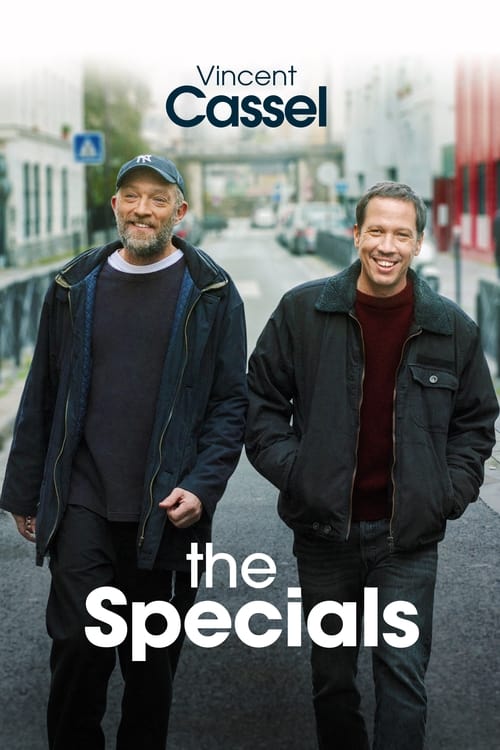
2019

2013

2010
No reviews yet. Be the first to share your thoughts on this movie!
Use the rating form above to leave a star rating and optional review.