Warrendale
1967
No user ratings available yet
Diversity score: 6.4 out of 10
1971
Director
Krzysztof Kieślowski, Andrzej Titkow
Runtime
16 minutes
Average Rating
No ratings yetSynopsis
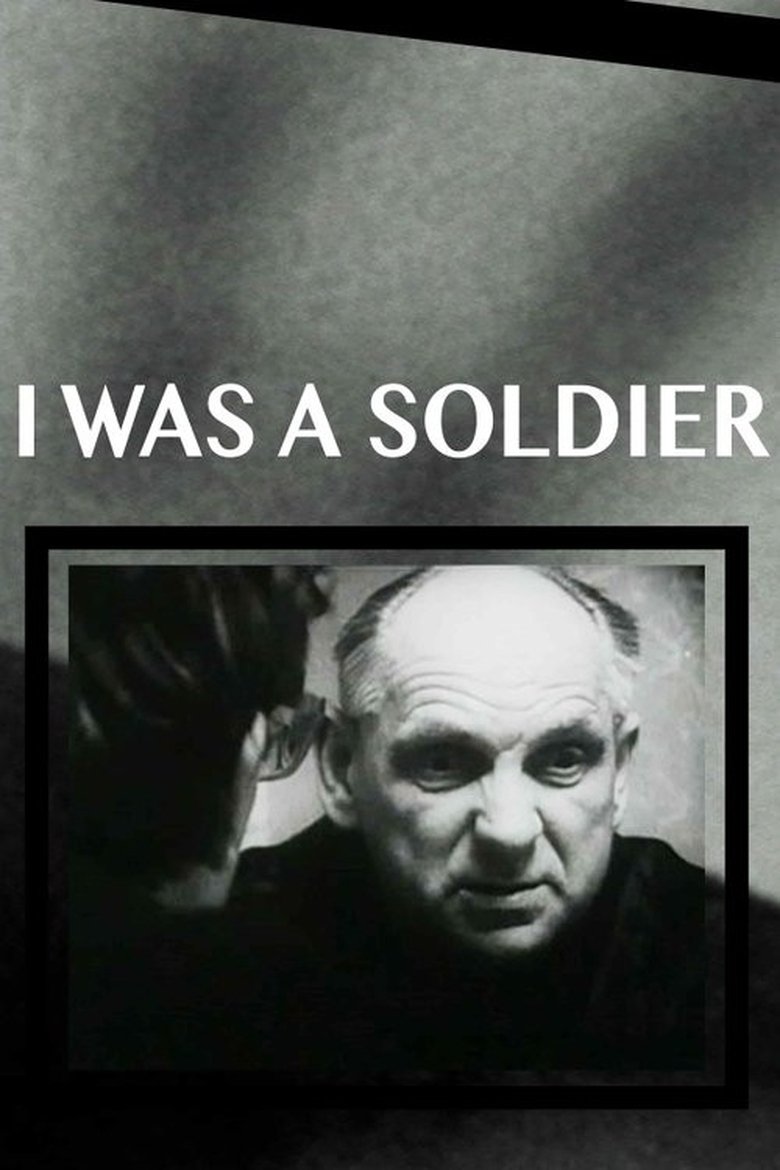
A group of veterans recount a horrifying experience when trapped in a minefield, resulting in each losing their sight.
Overall Score
Fair
Category Breakdown
LGBTQ+ Representation
The documentary focuses on a specific traumatic event involving veterans. There is no evidence of LGBTQ+ characters or narratives addressing non-cisnormative identities.
Gender Representation
The film centers on a group of veterans, suggesting a predominantly male cast. While it shifts from masculine strength to shared vulnerability, there is no evidence of female agency.
Racial & Ethnic Diversity
The film reflects the demographic homogeneity typical of its era and subject matter. There is no indication of a multi-ethnic cast or diverse racial representation.
Religious & Cultural Diversity
The narrative disrupts conventional military heroism by focusing on visceral trauma. It prioritizes a humanistic exploration of suffering over patriotic or religious frameworks.
Disability Representation
The film grants significant agency to those who have lost their sight. By centering their lived experiences, it avoids pity and provides unmediated insight into sensory disability.
Strengths
Areas for Improvement
AI Analysis
I Was a Soldier is a profound exploration of human vulnerability that succeeds by centering the lived experiences of its subjects. The film's greatest strength lies in its treatment of disability, moving beyond mere plot devices to grant veterans full narrative authority over their trauma. However, the film is limited by the demographic homogeneity of its subject matter. The focus on a specific group of veterans results in a lack of racial, gender, and LGBTQ+ diversity, reflecting the narrow scope of the historical context. Ultimately, the work is elevated by its refusal to engage in traditional military glorification. It trades triumphalism for a nuanced, humanistic look at the consequences of war.
1967

2001
2015

1971
1971

2007
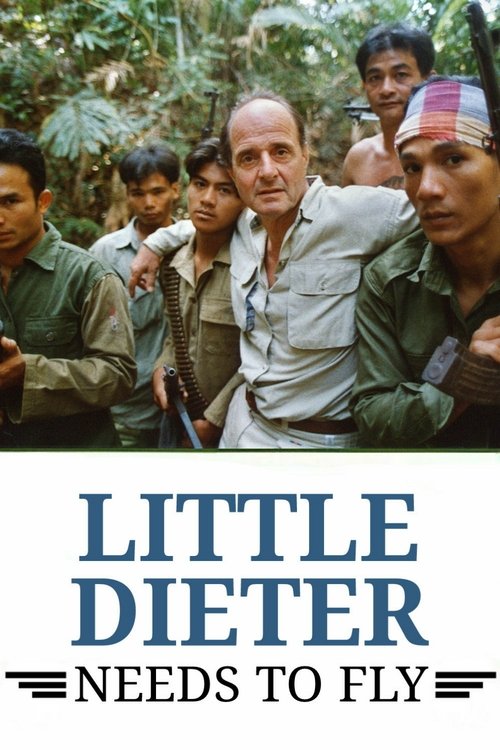
1997
2014
2006
2007
1967
2018
No reviews yet. Be the first to share your thoughts on this movie!
Use the rating form above to leave a star rating and optional review.