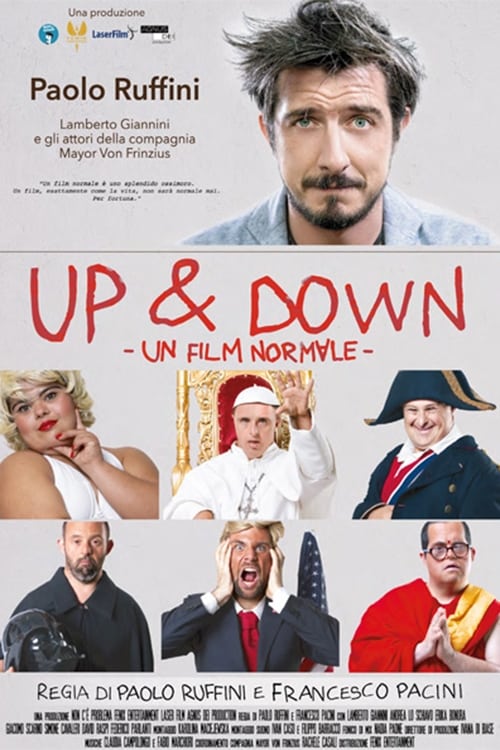
Up&Down: Un Film Normale
2018
No user ratings available yet
Representation score: 7.9 out of 10
Representation Score
Excellent
2017
Director
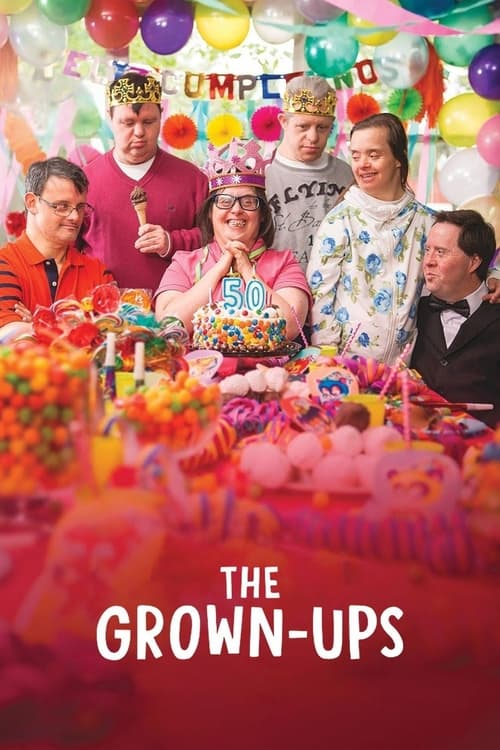
Maite Alberdi
Runtime
82 minutes
Average Rating
No ratings yetNew Showbiz Analysis
Maite Alberdi’s documentary is a powerful reclamation of adulthood for individuals with Down Syndrome. It successfully disrupts the common media cliché of infantilizing neurodivergent people, instead presenting them as complex adults with significant social ability to act. The film excels by treating neurodivergence as a facet of identity rather than a deficit. By focusing on a long-standing social bond in Chile, it provides a culturally specific perspective that avoids Western-centric clichés. While the film lacks explicit LGBTQ+ themes, its strength lies in its refusal to use disability as a mere plot device for neurotypical growth. It centers the subjects' struggle for dignity and social integration.
Category Breakdown
The film does not focus on queer romantic narratives or LGBTQ+ identities. Instead, it highlights the group's shared neurodivergence without emphasizing non-straight relationships.
The narrative emphasizes emotional independence and complex social navigation. It challenges traditional hierarchies by centering the subjects' own desires and rejecting being treated like children.
By centering a Chilean social group, the film offers a localized, non-Anglo-centric perspective. This organic representation avoids including someone from a minority group without giving them real depth found in Western-dominated narratives.
The film critiques institutional hierarchies that categorize individuals based on cognitive profiles. It prioritizes the lived experiences of the subjects over standardized clinical or religious frameworks.
The film is a profound study of ability to act that avoids 'inspiration porn.' The subjects are protagonists who drive the narrative through their friendships and demands for adult respect.
Present on Screen
Limited or Absent
Official Synopsis
A group of friends with Down Syndrome have been attending the same school for 40 years, and they are tired of being treated like children, they are grown-ups and want to live as such.
2018
2016
2000
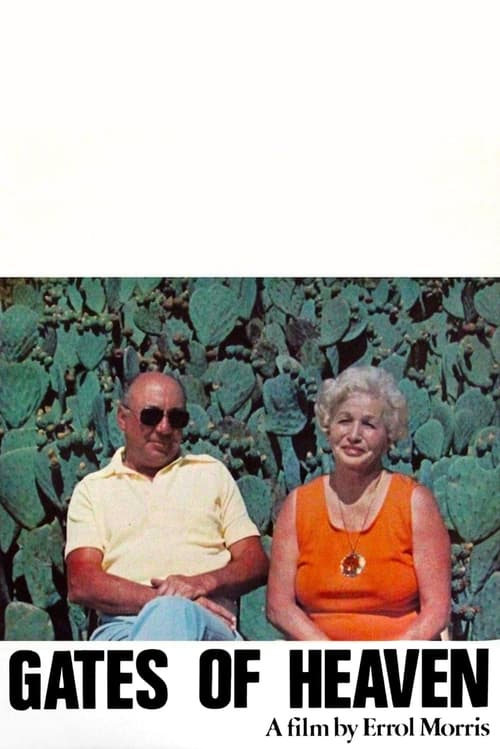
1978

2010
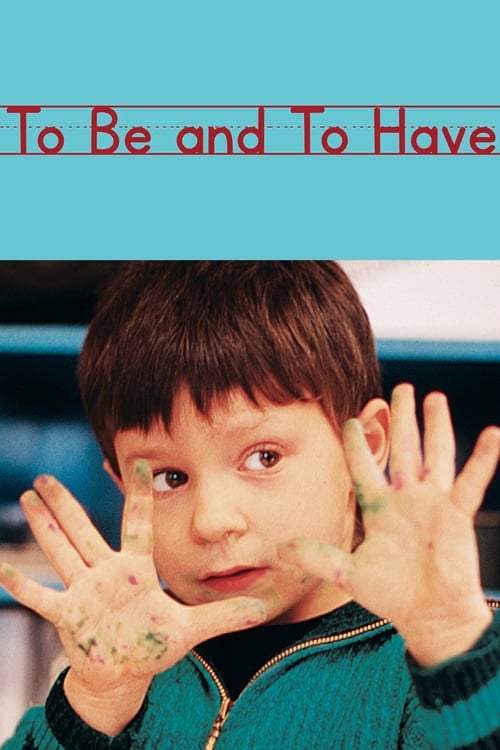
2002
1992
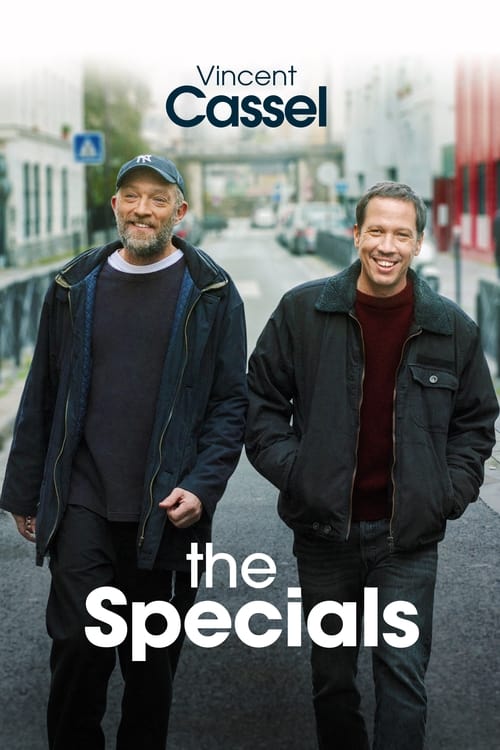
2019
No reviews yet. Be the first to share your thoughts on this movie!
Use the rating form above to leave a star rating and optional review.