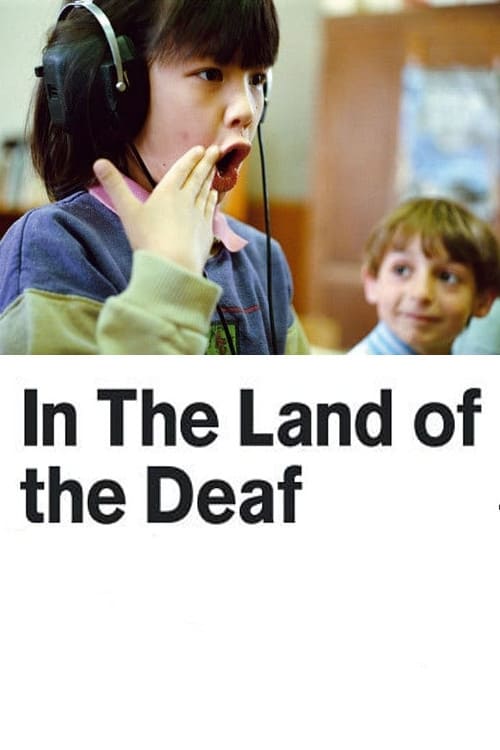
In the Land of the Deaf
1992
No user ratings available yet
Representation score: 7.9 out of 10

Representation Score
Excellent
2013
Director
José Antonio Cordero
Runtime
80 minutes
Average Rating
No ratings yetNew Showbiz Analysis
Eye Music is a significant work of inclusive storytelling that challenges conventional portrayals of disability and regionality. It positions its subjects as active creators of their own visual culture rather than passive beneficiaries of assistance. The film's primary strength lies in its focus on neurodivergent and sensory-diverse perspectives. By highlighting the dreams of deaf students in a southern Mexican village, it effectively counters the dominance of auditory-centric narratives. While the film excels in representing disability and regional diversity, it offers limited insights into gender hierarchies or LGBTQ+ identities, maintaining a neutral stance on these specific social dynamics.
Category Breakdown
The film does not provide any direct information about LGBTQ+ identities or romantic relationships. Its main focus is on sensory experiences and educational themes.
The documentary highlights a group of student peers. Although it does not delve into specific gender hierarchies, it deconstructs traditional roles through shared creative challenges.
The film centers on a community in a southern Mexican village. This shifts the cinematic focus away from Western-centric norms towards a localized, authentic cultural setting.
By emphasizing visual and tactile experiences, the film challenges Western modes of communication. It promotes a non-verbal, subjective truth that deconstructs the primacy of auditory language.
Deafness is presented as a unique lens for artistic expression rather than a deficit. The students play a significant role in driving the story, driving the creative process and defining their own visual language.
Present on Screen
Limited or Absent
Official Synopsis
In a southern Mexico village, young deaf students are taking on an unusual challenge: to make a movie out of their dreams. While Eric and his friends watch films and discuss ideas, their dreams begin to work their way into the documentary itself. Both a study of the students lives and the basic visual language of film
1992
2002
2003

2004
2009
2004
2016
2016
No reviews yet. Be the first to share your thoughts on this movie!
Use the rating form above to leave a star rating and optional review.