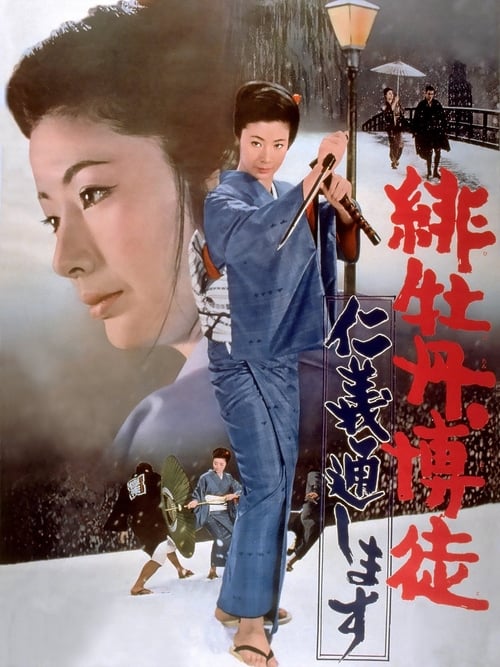
Red Peony Gambler: Execution of Duty
1972
No user ratings available yet
Representation score: 5.2 out of 10
Representation Score
Fair
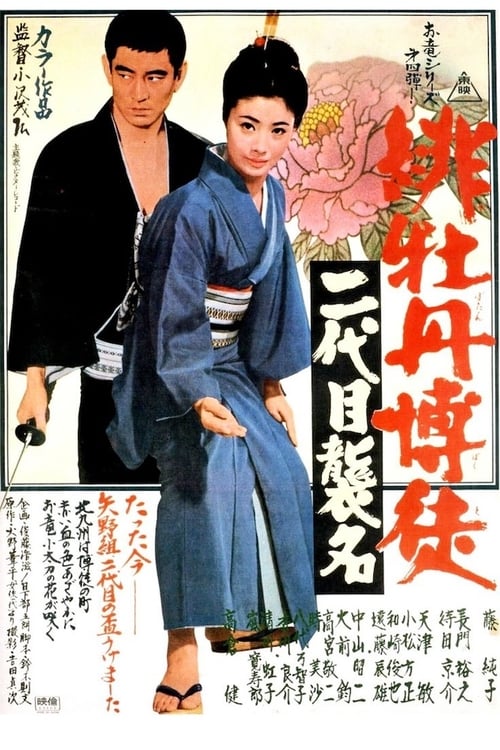
1969
Director
Shigehiro Ozawa
Runtime
95 minutes
Average Rating
No ratings yetNew Showbiz Analysis
The film serves as a transitional narrative examining the tension between traditional Japanese structures and the changes brought by the Meiji era. Its primary strength lies in the subversion of gendered leadership roles, placing a female protagonist at the heart of a high-stakes power struggle. Though the film does not include explicit markers of diversity, it offers a nuanced exploration of systemic displacement due to rapid industrialization. The conflict between boatmen and railroad workers highlights the impact of industrial progress on individual ability to act and social stability. Overall, the film critiques the rapid societal shifts of the time, focusing on the tension between established hierarchies and the advancing industrial age.
Category Breakdown
The film does not explicitly depict non-straight or non-cisgender identities or intimate relationships between same-sex partners. Instead, it focuses on family succession and industrial conflicts.
Oryu challenges traditional gender hierarchies by taking charge of the Yano Family. This positions her as a key figure with significant influence in a male-dominated environment.
Set in Kumamoto, the film portrays a society that is culturally uniform. It emphasizes internal class struggles between boatmen and railroad workers without highlighting issues related to racial diversity.
The story critiques the rapid expansion of capitalism and the decline of traditional institutions during the Industrial Revolution. It examines how this period disrupts established ways of life and community structures.
There is no indication that disability plays a central role in the narrative or as a defining characteristic of the main characters.
Present on Screen
Limited or Absent
Official Synopsis
The industrial revolution comes to Japan with the introduction of the railroad system. This led to clashes between boatmen, who livelihoods are threatened, and the railroad construction workers. Oryu the Red Peony returns to her home in Kumamoto to accept her position as second generation leader of the Yano Family. But the ceremony is interrupted by fighting between local boatmen and railroad works. And it seems a rival family is pulling the strings behind the clashes.
1972
1962
1971

1973
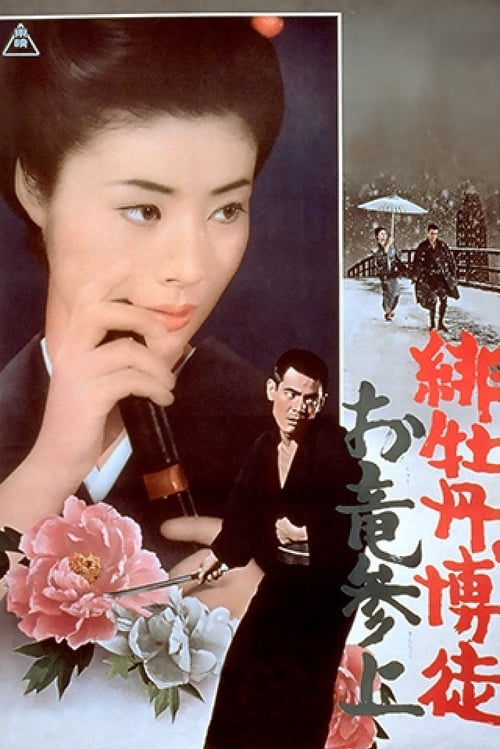
1970
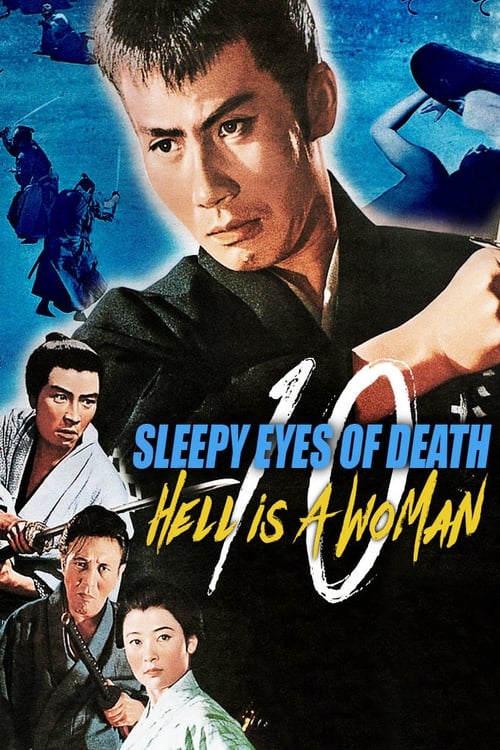
1968
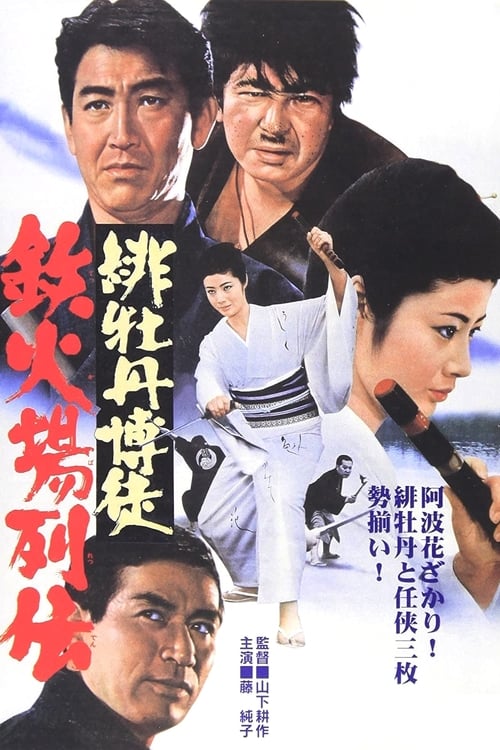
1969
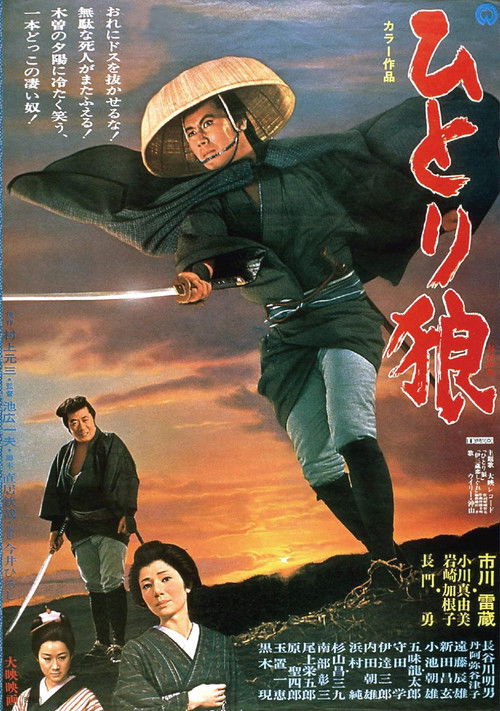
1968
No reviews yet. Be the first to share your thoughts on this movie!
Use the rating form above to leave a star rating and optional review.