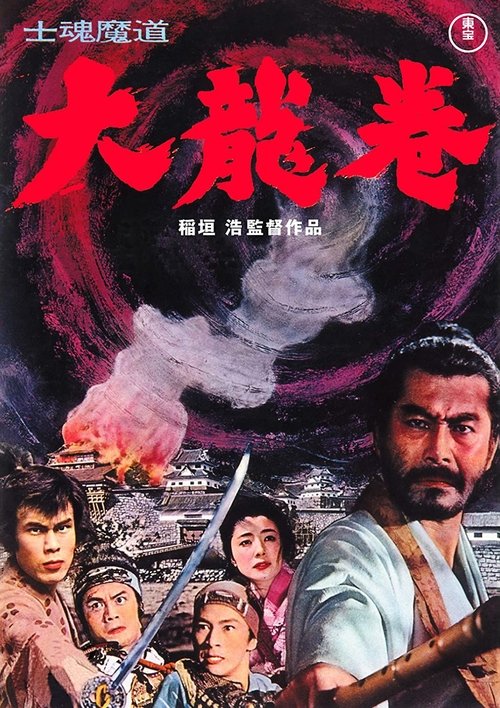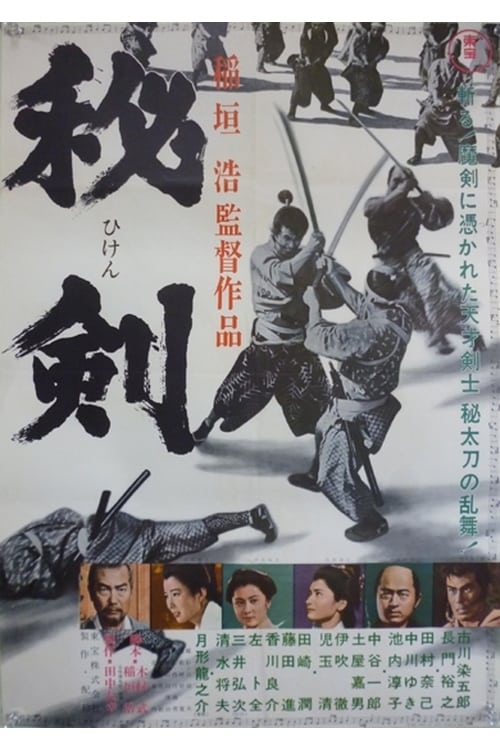
Young Swordsman
1963
No user ratings available yet
Diversity score: 3.4 out of 10
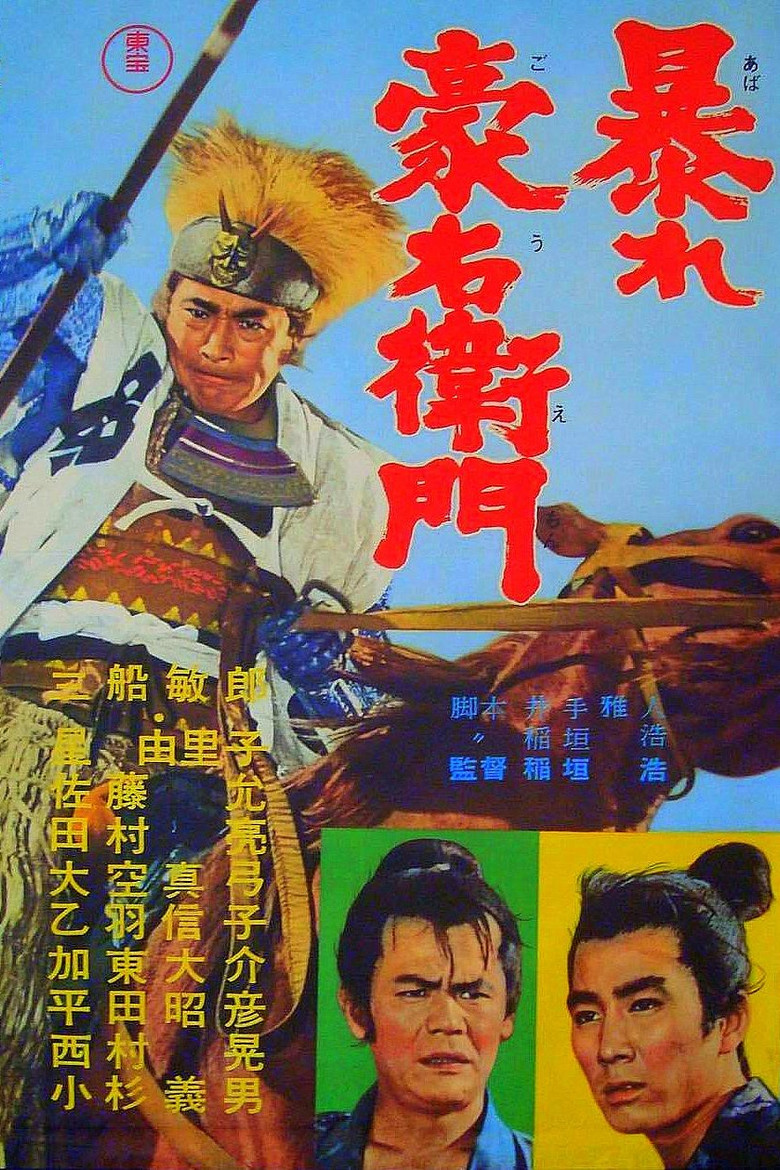
1966
Director
Hiroshi Inagaki
Runtime
101 minutes
Average Rating
No ratings yetSynopsis
Farmer Abare Goemon is confronted by brigand-like samurai. He raises an army of farmers to fight them and does so brilliantly. When Lord Asakura sees the success Goemon has achieved, he attempts to recruit him to fight in a conflict between Asakura and another clan. Goemon refuses, and Lord Asakura sets out to destroy him.
Overall Score
Fair
Category Breakdown
LGBTQ+ Representation
The film lacks explicit depictions of non-heteronormative identities. The narrative follows traditional period drama tropes focused on martial conflict and feudal loyalty.
Gender Representation
The story centers on a male protagonist and his male-dominated agrarian militia. While female roles are not detailed, the arc emphasizes masculine archetypes of rebellion.
Racial & Ethnic Diversity
The cast is ethnically homogeneous as a Japanese period piece. However, the film explores class stratification through the dynamic between peasants and the samurai class.
Religious & Cultural Diversity
The narrative disrupts feudal stability by prioritizing individual agency over institutional loyalty. It critiques centralized power through a protagonist who resists being a tool for clan warfare.
Disability Representation
There is no discernible evidence regarding the portrayal of physical or neurodivergent disabilities within the narrative.
Strengths
Areas for Improvement
AI Analysis
Rise Against the Sword is a period drama that finds its progressive edge through class struggle rather than identity-based representation. The film centers on the agency of the peasantry, challenging the rigid social hierarchies of the era. While the film lacks diversity in terms of gender and LGBTQ+ identities, it succeeds in depicting a grassroots movement against institutional oppression. The protagonist's refusal to serve the ruling class provides a meaningful critique of feudal power structures. Ultimately, the film's strength lies in its socio-economic commentary, using the peasant-versus-samurai conflict to explore themes of communal peace and individual autonomy.
No reviews yet. Be the first to share your thoughts on this movie!
Use the rating form above to leave a star rating and optional review.