Avalanche
1937
No user ratings available yet
Representation score: 2.7 out of 10
Representation Score
Limited
1951
Director
Mikio Naruse
Runtime
85 minutes
Average Rating
No ratings yetNew Showbiz Analysis
Mikio Naruse’s drama offers a sophisticated study of gendered ability to act during a period of social transition. The film excels by centering the female experience, moving beyond the cliché of the submissive wife to explore a woman's pursuit of personal autonomy and emotional truth. While the film provides a nuanced look at the erosion of traditional social structures, it remains a culturally homogeneous production. It lacks explicit markers of diverse identities, focusing instead on the domestic tensions of a post-war Japanese marriage. Ultimately, the work's strength lies in its refusal to offer easy moral resolutions, opting instead for a realistic portrayal of individual desire and the complexities of human relationships.
Category Breakdown
The film focuses on the emotional infidelity of a wife toward a former lover. There are no representations of LGBTQ+ identities or queer narratives.
The narrative centers on the female protagonist's internal landscape and her pursuit of autonomy. It challenges the cliché of the passive woman by highlighting her struggle for independence.
The cast and setting are culturally homogeneous, reflecting post-war Japanese cinema. The film maintains cultural authenticity for its era without external imposition.
The story critiques the stability of traditional institutions by depicting the breakdown of the family unit. It favors complex, situational morality over singular moralistic frameworks.
There is no significant evidence regarding the depiction of physical or neurodivergent disabilities in this work.
Present on Screen
Limited or Absent
Official Synopsis
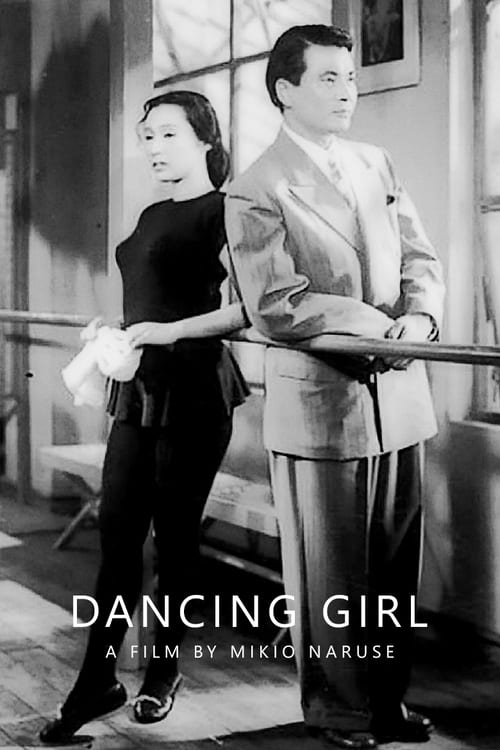
The troubled relationship between a writer and his ballet teacher wife, who has for years loved another man, finally leads to the breakup of the family.
1937

1955
1954
1961
1953
1951
1958

1952
No reviews yet. Be the first to share your thoughts on this movie!
Use the rating form above to leave a star rating and optional review.