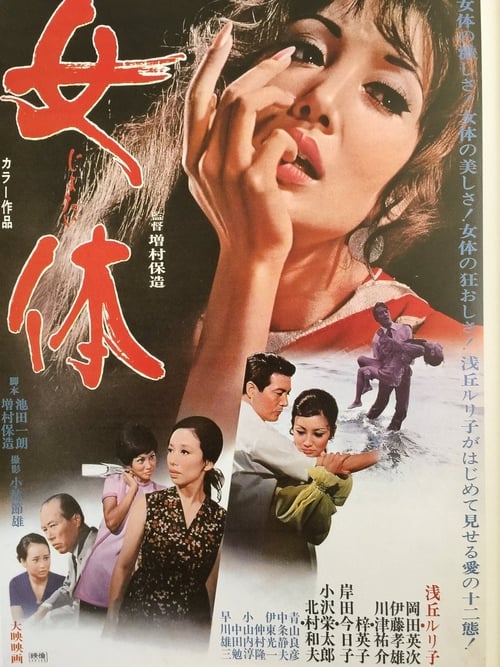
Vixen
1969
No user ratings available yet
Representation score: 4.4 out of 10
Representation Score
Excellent
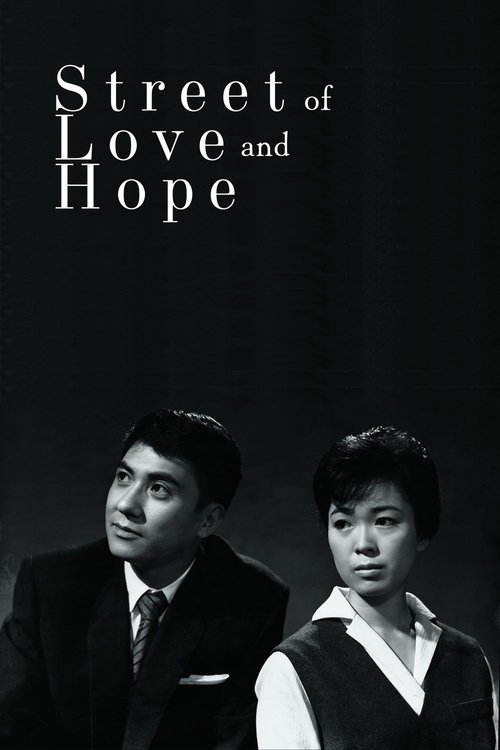
1959
Director
Nagisa Ōshima
Runtime
62 minutes
Average Rating
No ratings yetNew Showbiz Analysis
Nagisa Ōshima’s direction in the film rigorously questions social hierarchies, emphasizing individual empowerment over institutional conformity. While it effectively critiques cultural and class-based gender roles, it lacks explicit representation of LGBTQ+ identities and disability. The film stands as a strong critique of post-war social orders and the conflict between tradition and emerging capitalism.
Category Breakdown
The film examines the tension between personal desires and societal norms but does not include clear representations of non-binary or same-sex relationships.
It challenges traditional power dynamics by showing a wealthy woman alongside an impoverished teenager, exploring their existential disillusionment.
The film looks at the socio-economic diversity of post-war Japan, critiquing the influence of American occupation on a fractured urban landscape.
The movie portrays post-war capitalist structures as sources of disillusionment, focusing on individual struggles against oppressive systems and traditional authority.
The plot centers on socioeconomic and existential themes but does not feature characters with disabilities playing a key role in the narrative.
Present on Screen
Limited or Absent
Official Synopsis
The lives of a teenager, his impoverished family, a wealthy young woman who buys a pigeon from him, and his caring teacher converge and consequently become more complicated.
1969

1959
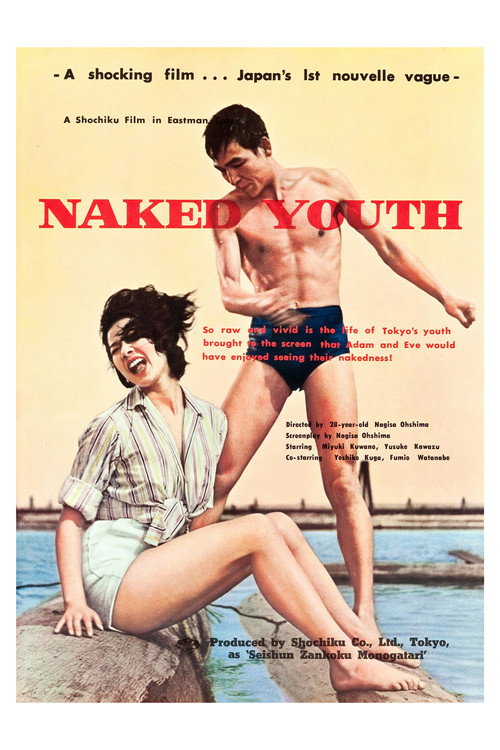
1960
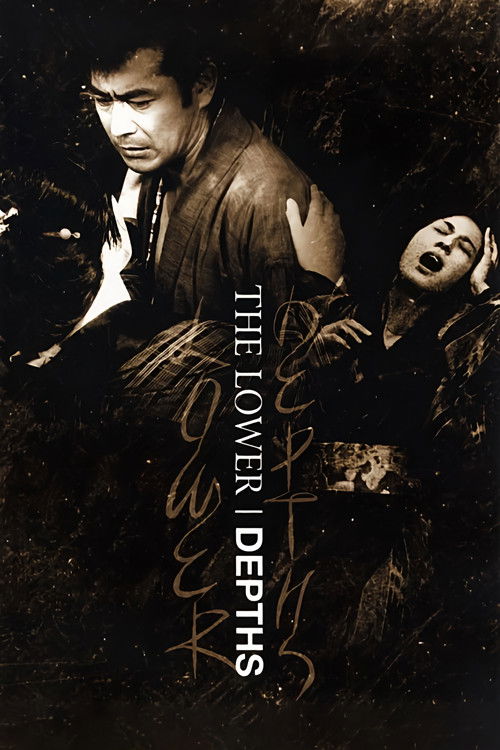
1957

1967

1980

1969

1963
No reviews yet. Be the first to share your thoughts on this movie!
Use the rating form above to leave a star rating and optional review.