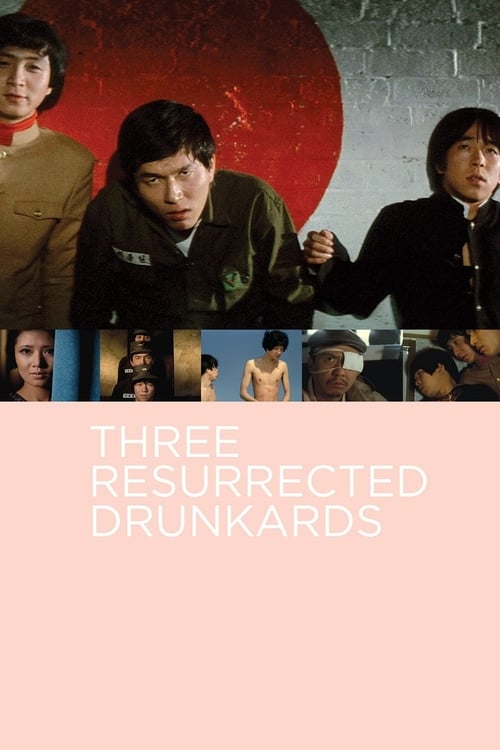
Three Resurrected Drunkards
1968
No user ratings available yet
Representation score: 6.0 out of 10

Representation Score
Good
1969
Director
Nagisa Ōshima
Runtime
96 minutes
Average Rating
No ratings yetNew Showbiz Analysis
Nagisa Ōshima uses a fragmented, episodic structure to mirror the instability of the Shinjuku underclass. The film prioritizes the lived realities of the underrepresented over traditional institutional respectability, rejecting the 'ideal' Japanese society. While specific identity representation for LGBTQ+ and disability groups is limited, the work holds progressive value through its rejection of traditional morality. It challenges the stability of institutions by centering on those existing on the periphery of the capitalist machine. The film's strength lies in its socioeconomic critique. By portraying the protagonist's theft as a response to systemic urban alienation, it provides an unvarnished look at the post-war Japanese urban experience.
Category Breakdown
The film does not focus on queer romance or non-binary gender identities. While the Japanese New Wave often explored sexual liberation, this narrative prioritizes class struggle and survival over LGBTQ+ themes.
Female characters act as independent agents navigating a precarious urban landscape rather than fulfilling traditional domestic roles. However, the narrative remains primarily driven by the male protagonist's personal struggles.
The cast is culturally homogeneous, reflecting the specific historical and geographic context of Shinjuku. The film focuses on internal class diversity rather than ethnic plurality or diverse racial backgrounds.
The film critiques established social structures and traditional morality. It frames anti-social behavior as a systemic necessity, deconstructing the perceived sanctity of law and property in a capitalist environment.
There is no central depiction of physical or neurodivergent disabilities. Character struggles are framed through socioeconomic alienation rather than the lens of disability identity or ability to act.
Present on Screen
Limited or Absent
Official Synopsis
In Tokyo's Shinjuku district, the lives of a young man prone to theft, a young woman he meets at a bookstore, and a kabuki actor intersect.
1968

1960
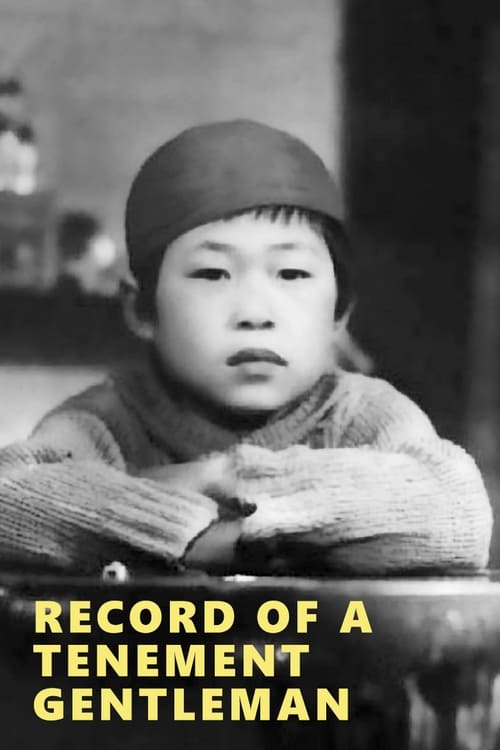
1947

1964
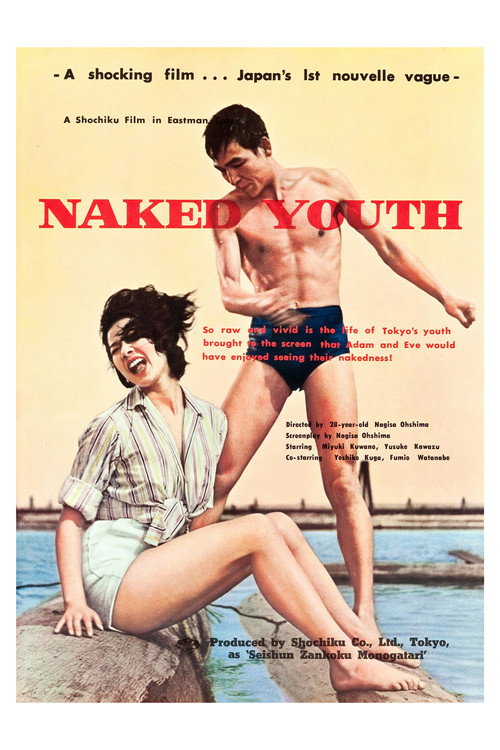
1960
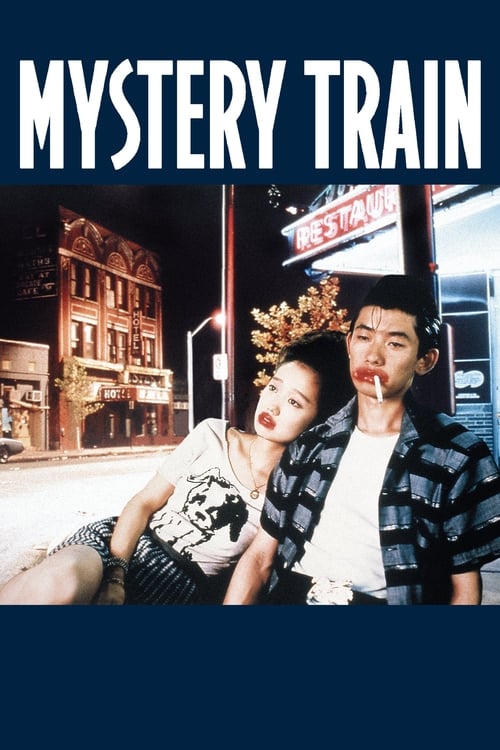
1989
1993

1990
No reviews yet. Be the first to share your thoughts on this movie!
Use the rating form above to leave a star rating and optional review.