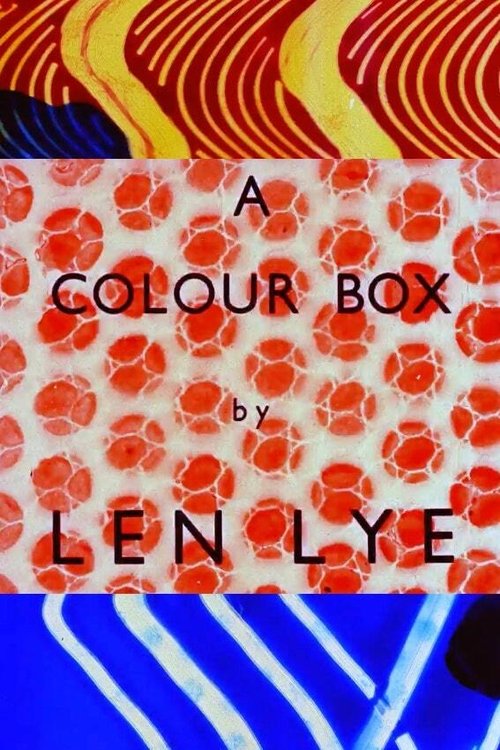
A Colour Box
1935
No user ratings available yet
Diversity score: 1.1 out of 10
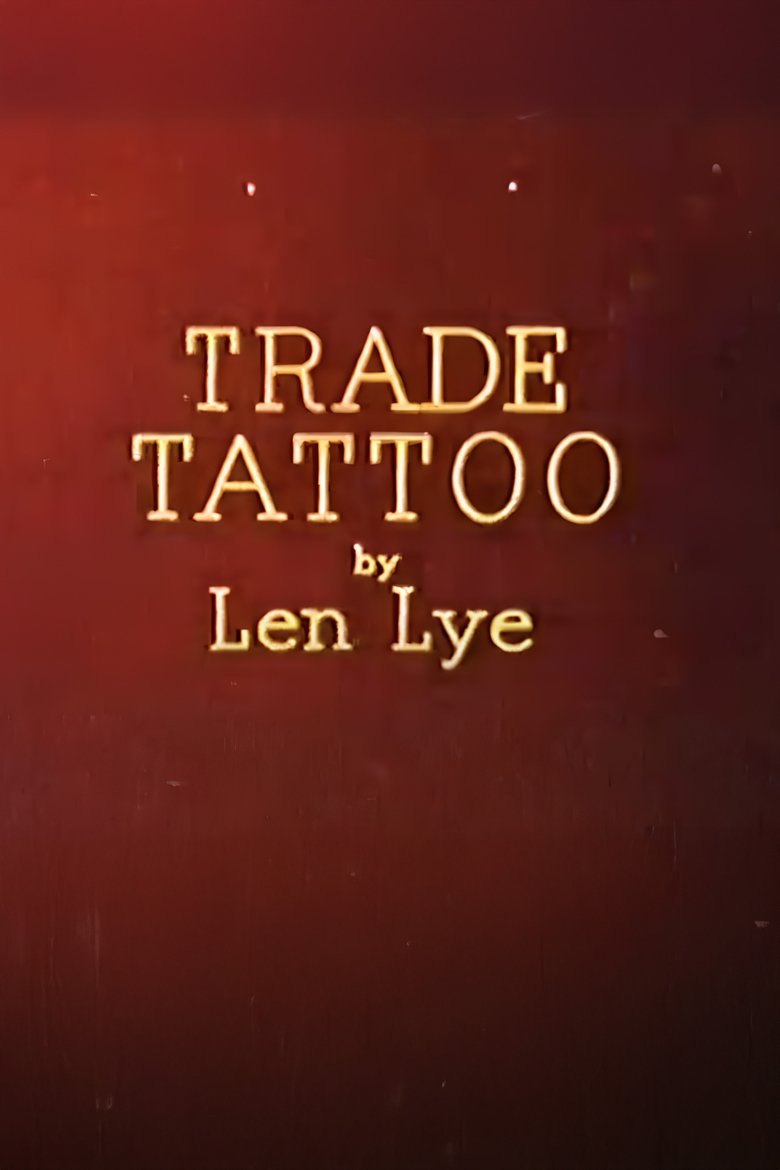
1937
Director
Len Lye
Runtime
5 minutes
Average Rating
No ratings yetSynopsis
Trade Tattoo went even further than Rainbow Dance in its manipulation of the Gasparcolor process. The original black and white footage consisted of outtakes from GPO Film Unit documentaries such as Night Mail. Lye transformed this footage in what has been described as the most intricate job of film printing and color grading ever attempted. Animated words and patterns combine with the live-action footage to create images as complex and multi-layered as a Cubist painting. Music was provided by the Cuban Lecuona Band. With its dynamic rhythms, the film seeks (in Lye’s words) to convey “a romanticism about the work of the everyday in all walks of life."
Overall Score
Fair
Category Breakdown
LGBTQ+ Representation
The film lacks character-driven storylines or interpersonal relationships. Its focus on rhythmic abstraction and the work of the everyday precludes the depiction of specific sexual orientations.
Gender Representation
The film avoids conventional gender hierarchies by eschewing character tropes. It prioritizes the abstraction of labor over traditional cinematic presentations of domestic or gendered roles.
Racial & Ethnic Diversity
The inclusion of the Cuban Lecuona Band provides a significant cultural infusion. This integration of Afro-Cuban musicality into a British framework suggests an early cross-cultural synthesis.
Religious & Cultural Diversity
The work celebrates the romanticism of everyday work and the dignity of labor. Using non-Western musical structures to drive a Western medium deconstructs traditional cultural hierarchies.
Disability Representation
As an abstract, experimental work centered on motion and pattern, there are no depictions of disability. The film's focus remains entirely on kinetic visual experiences.
Strengths
Areas for Improvement
AI Analysis
Len Lye’s *Trade Tattoo* is a formal triumph that uses abstraction to democratize its subject matter. By focusing on the universal experience of labor rather than individual identities, it bypasses the rigid social hierarchies common in 1930s cinema. The film's primary strength lies in its cross-cultural sensory experience. The marriage of British documentary footage with the rhythms of the Cuban Lecuona Band creates a non-homogeneous, progressive atmosphere for its era. However, the work's experimental, non-narrative nature limits its ability to represent specific identities. Because it lacks character agency, it cannot provide meaningful depictions of gender, disability, or LGBTQ+ experiences.
1935
1936
1927

1975
1958

1942
2006
1948
1985
1992
1963

1959
No reviews yet. Be the first to share your thoughts on this movie!
Use the rating form above to leave a star rating and optional review.