Colour Flight
1937
No user ratings available yet
Representation score: 0.6 out of 10
Representation Score
Minimal
1936
Director
Len Lye
Runtime
6 minutes
Average Rating
No ratings yetNew Showbiz Analysis
Len Lye’s experimental animation highlights technical achievements in color processes and kinetic puppetry. Since the film prioritizes abstract visual experimentation over character development, it lacks the narrative structure needed for identity-based representation. Primarily functioning as a promotional advertisement for Shell Motor Oil, the work diverges from mainstream 1930s animation styles, creating a minor cultural disruption. Without human characters, the film does not provide a platform for discussing diverse identities, focusing instead on the synchronization of color and music.
Category Breakdown
The film does not include any LGBTQ+ characters or stories. It focuses on the movement and colors of kinetic puppets rather than identity-based narratives.
The story revolves around mechanical puppets and abstract color processes. There is no framework for exploring gender roles or the actions of individual characters.
There are no non-white actors or characters shown in the film. The work emphasizes technical color achievements and musical synchronization.
The film serves as a promotional advertisement for Shell Motor Oil. However, its avant-garde style contrasts with the mainstream Disney animation of the 1930s.
The film does not feature any characters with visible or invisible disabilities. Disability is not used as a narrative element in this experimental piece.
Present on Screen
Limited or Absent
Official Synopsis
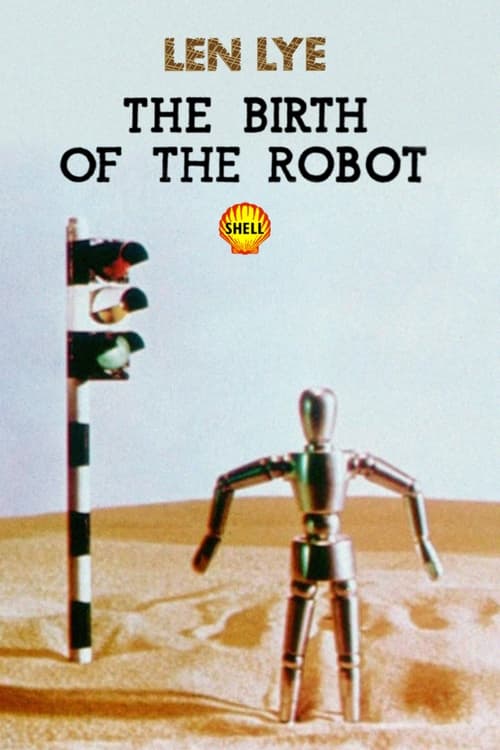
This experiment was a “prestige advertisement” for Shell Motor Oil. As conventional animation became dominated by Walt Disney, many European filmmakers turned to puppets as an alternative, and Lye enlisted the help of avant-garde friends such as Humphrey Jennings and John Banting to make the amusing puppets. Exploring the still-complex color process, which involved the combination of three separate images, Lye creates such a vivid storm scene that reviewers hailed it as “proof that the color film has entered a new stage.” The music is Holst’s The Planets. - Harvard Film Archive
1937
1933
1935
1935
1931
1937
1933
1936
No reviews yet. Be the first to share your thoughts on this movie!
Use the rating form above to leave a star rating and optional review.